
Last updated November 15, 2026
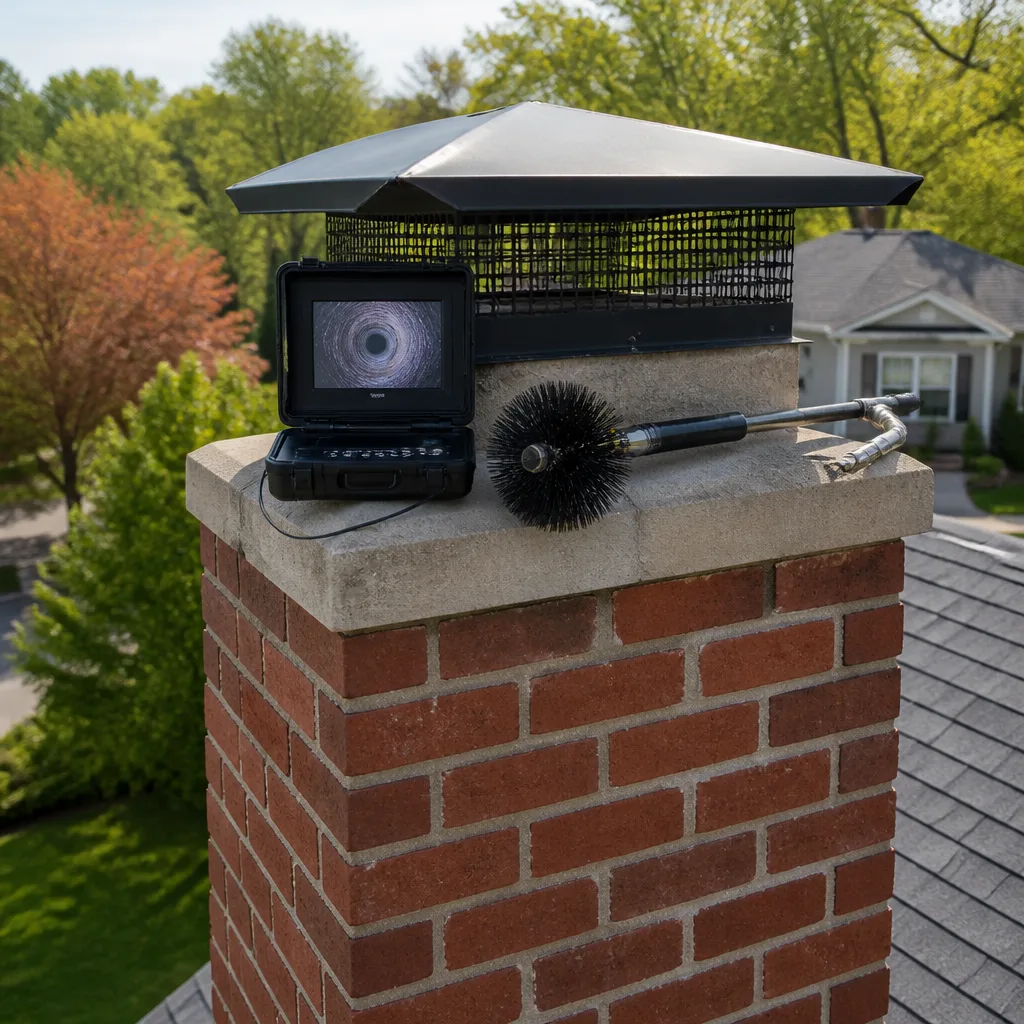 Sweep & inspection
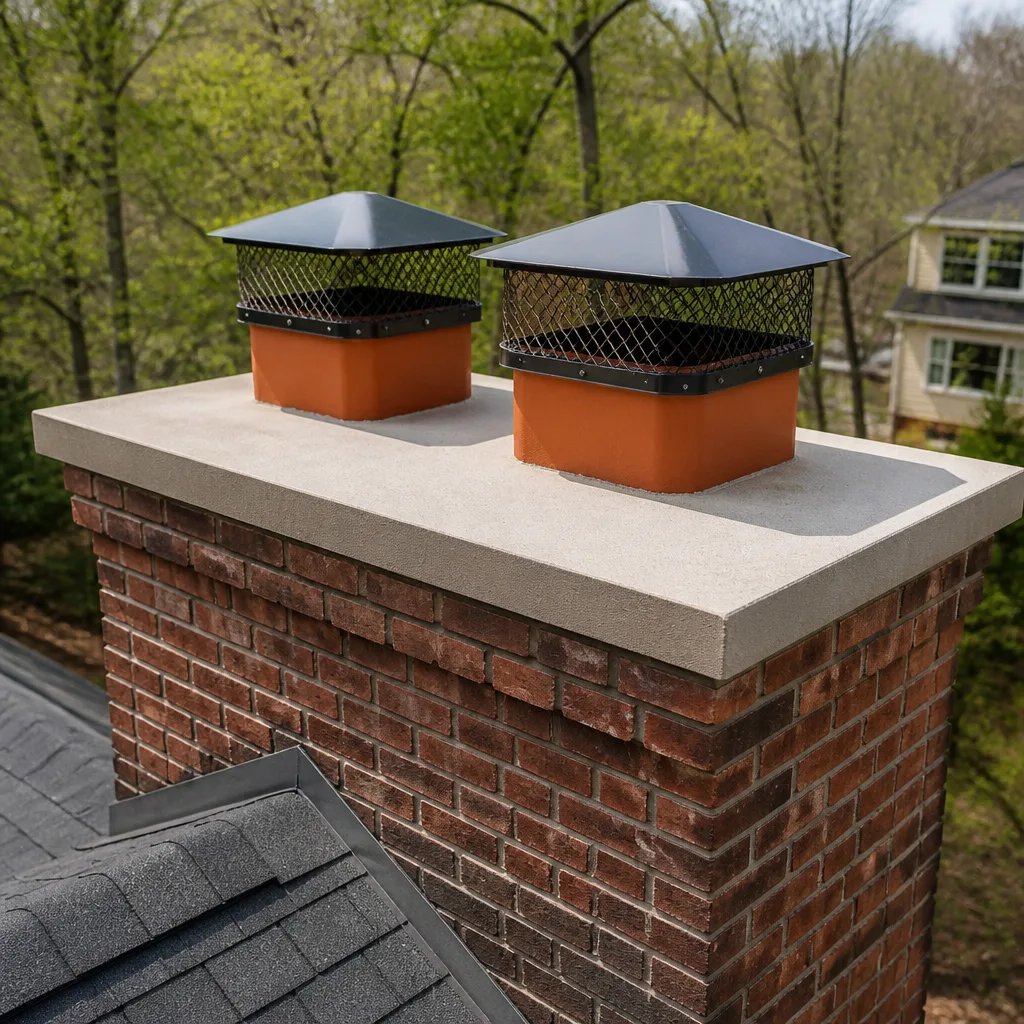 Caps & crowns
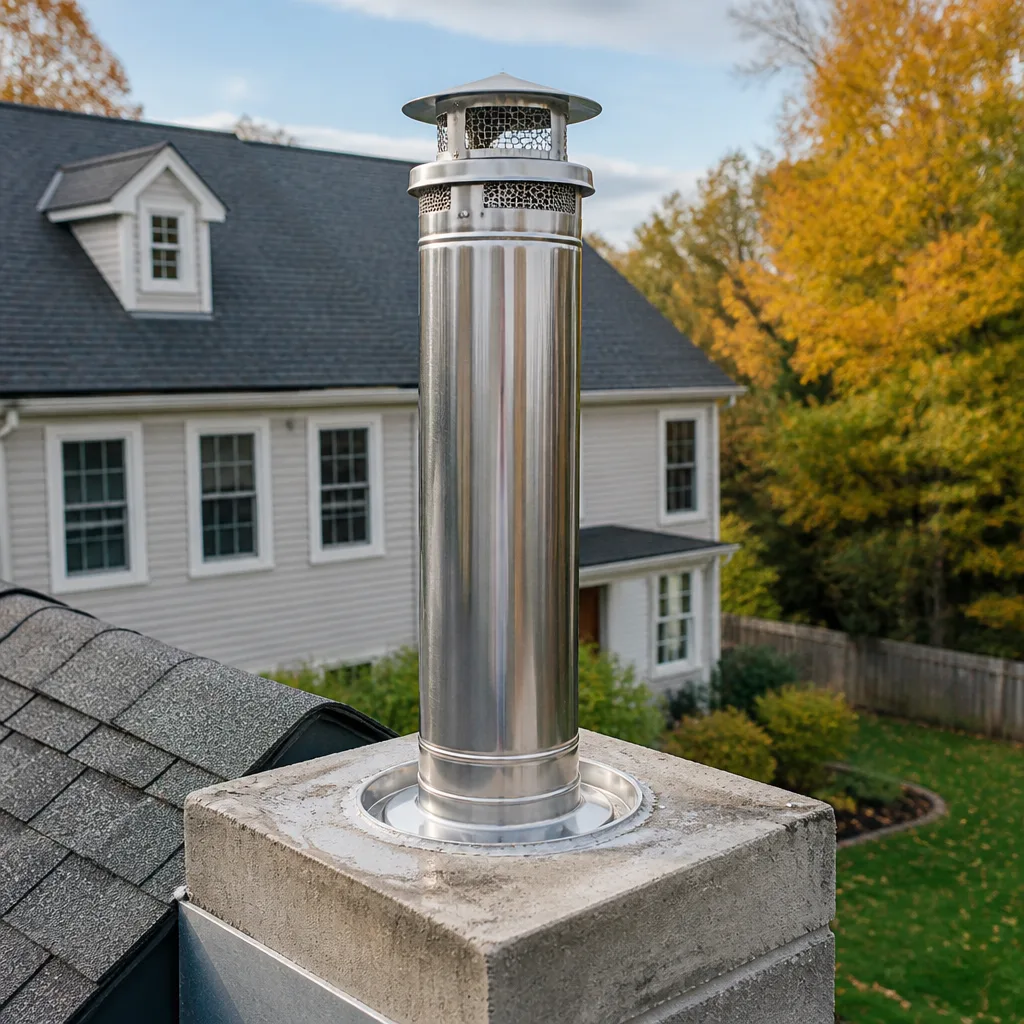 Flue relining
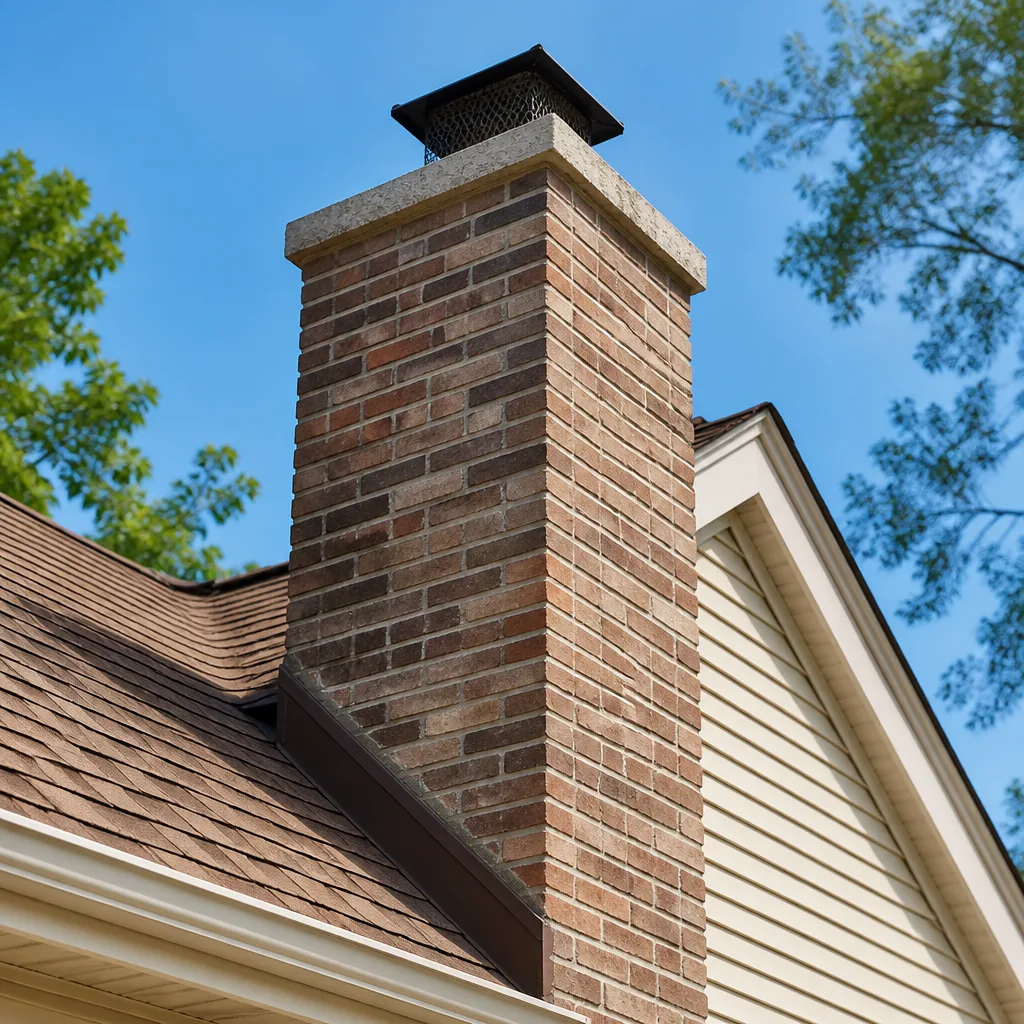 Masonry repair
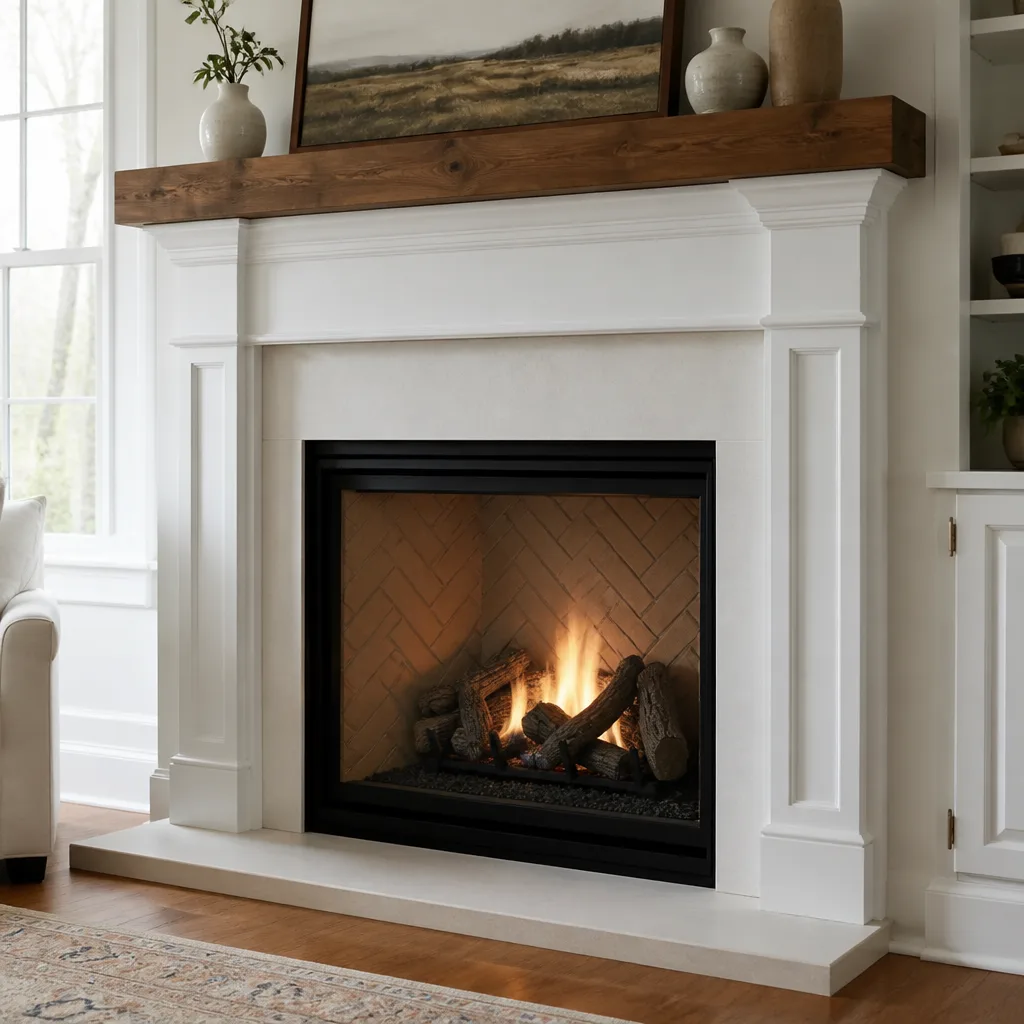 Gas fireplace service
Level 1 sweep and inspection to the NFPA 211 annual standard - flue, crown, cap, and flashing checked and photographed
Chimney sweep logs do not sweep chimneys. They loosen some creosote - which then falls where a brush and vacuum still have to collect it.
The Complete Guide to Chimney Cleaning in Milwaukee
Most chimney fires in Wisconsin don’t start in a dirty flue. They start in a flue that was swept, declared clean, and then left alone while the clay tile liner cracked behind the creosote. Milwaukee’s freeze-thaw cycle does that work quietly every winter: water gets in, freezes, expands, and opens hairline cracks that nobody sees until they’re a problem. The homeowners who get burned are often the ones who did the responsible thing and scheduled a sweep. What they skipped was the inspection and the repair that follows it.
This guide walks the full lifecycle of chimney health in Milwaukee, from what actually deposits in a Milwaukee flue to how to read the report a technician hands you. It covers what fails here, why it fails here, and what it takes to fix it.
Quick Answer
Chimney cleaning in Milwaukee means more than brushing the flue. A proper service includes a sweep to remove creosote, a camera inspection to check the liner and masonry for cracks, and repair work for whatever the inspection finds. Because Milwaukee’s long heating season and freeze-thaw winters accelerate both creosote buildup and masonry damage, most homes need a Level 2 inspection with a camera, not just a brush-and-go sweep.
Table of Contents
- Why Milwaukee’s Climate Changes Everything About Chimney Maintenance
- How Creosote Forms in Milwaukee Flues and Why It Gets Harder to Remove
- Chimney Inspections: Level 1, 2, and 3 Explained
- What Actually Happens During a Chimney Sweep in Milwaukee
- How to Read Your Chimney Sweep Report
- Liner Cracks, Resurfacing, and When You Need a Full Reline
- Full-Service vs. Sweep-Only Contractors
- What Chimney Cleaning Costs in Milwaukee
Why Milwaukee’s Climate Changes Everything About Chimney Maintenance
Chimneys in Milwaukee live through something a chimney in Phoenix never sees: repeated freezing and thawing of water that works its way into the masonry. Lake-effect moisture off Lake Michigan keeps humidity high through the cold months, and that moisture finds every gap in the chimney’s exterior, the crown, and the mortar joints. When it freezes, it expands by roughly a tenth of its volume. When it thaws, the gap it left behind is wider than it was. Run that cycle through a Milwaukee winter, and mortar joints that were sound in October start spalling and cracking by March.
This matters because sweeping doesn’t touch masonry. A brush removes creosote from the flue; it does nothing for the mortar joints between bricks, the crown at the top of the chimney, or the clay tile liner inside. The failure mode that matters most in Milwaukee homes is structural, and it’s driven by water.
- Mortar joint failure: Freeze-thaw cycles open joints between bricks. Once a joint is open, water gets deeper into the chimney with every rain and snowmelt.
- Crown cracking: The concrete crown at the top of the chimney is the first line of defense against water entry. Small cracks widen over winter.
- Clay tile spalling: Older Milwaukee homes often have clay tile liners. Spalling tile creates rough surfaces where creosote clings harder and where flue gases can leak into the masonry.
- Cap damage: A missing or rusted-out cap lets rain and animals straight into the flue.
In our experience, the water damage that shows up in a Milwaukee chimney is often years old and entirely invisible from the ground. Which is why the inspection matters as much as the sweep: it’s the only part of the service that looks at what the brush can’t reach.
How Creosote Forms in Milwaukee Flues and Why It Gets Harder to Remove
Creosote is the byproduct of incomplete combustion. When wood burns without enough air or heat, the unburned gases condense on the cooler surfaces of the flue and form a deposit that starts as a soft, flaky soot and hardens over time. In Milwaukee, creosote tends to develop differently than in dry climates, and the reason comes down to how the heating season runs here.
Milwaukee’s heating season is long. Fires get built on cool evenings in spring and fall when the flue is still cold, and those cold-start fires produce more condensation than a fire in a flue that’s already warm. Add damp wood stored outside through a humid Wisconsin winter, and you get the conditions that push creosote from stage one into stage three. Third-degree creosote is glazed, shiny, and hard. It looks like black glass bonded to the flue wall, and no brush will take it off.
- Stage one: Soft, flaky soot. Easy to brush away. This is where most regular sweeps find the flue.
- Stage two: Flaky but hardened. Brushable, but the technician needs to work at it. This is common in Milwaukee homes swept less than annually.
- Stage three: Glazed, tarlike, glassy. Brush-resistant. Removal requires chemical treatment, rotary equipment, or in severe cases, relining.
The faster glazed creosote forms, the more the chimney relies on the liner to keep those deposits from igniting. A brush-only sweep on a third-degree flue is a false sense of security. This is exactly the scenario where a homeowner calls for a chimney sweep and gets told the flue is “clean” when what the technician really means is “I removed what a brush could reach.” Glazed creosote doesn’t come off a flue with a brush, and it doesn’t come off with a homeowner’s log either.
What actually removes it: rotary sweeping equipment rated for the job, chemical agents designed to soften glazed deposits so they can be removed, and, in severe cases, a discussion about whether the liner is sound enough to keep. Our technicians have up to 8 years of experience reading exactly how far creosote has progressed in a Milwaukee flue, and the difference between a stage-two flue and a stage-three flue is usually the difference between a routine sweep and a repair conversation.
Chimney Inspections: Level 1, 2, and 3 Explained
Not every inspection is the same, and knowing which level you’re getting matters. The three levels follow a standard industry framework, and each answers a different question.
Level 1 Inspection
A visual check of the accessible portions of the chimney and connected appliance, done without special tools. It’s appropriate when the chimney has been serviced regularly and nothing has changed since the last visit. Level 1 tells you the chimney is still in the condition it was in last time.
Level 2 Inspection
A camera inspection of the flue interior, along with a check of accessible portions of the chimney exterior, the attic, and the crawl space. Level 2 is the standard after any change in how the chimney is used, after a chimney fire, after an earthquake or major storm, and before a home sale, which means it’s the level most Milwaukee homes actually need after a hard winter. The camera is what reveals cracked liner tiles, gaps in joints, and offset flues that no visual check from the firebox can catch. A Level 2 inspection includes a photo report, so you can see what the technician sees.
Level 3 Inspection
A Level 3 inspection goes further, sometimes requiring access to concealed areas of the chimney that aren’t normally opened up. It’s warranted when a Level 1 or 2 inspection finds a serious hazard that can’t be assessed without it.
For most Milwaukee homes built before the 1980s, which have been through decades of freeze-thaw winters, Level 2 is the right starting point. It’s the level that catches the cracked tile liner that a brush-only sweep never sees. Where you want the camera pointed: the full length of the flue, the smoke chamber, and the connection at the appliance. If a technician hands you a sweep receipt with no inspection report and no photos, ask why.
What Actually Happens During a Chimney Sweep in Milwaukee
A proper chimney sweep is a controlled, clean process, not a mess in your living room. Here’s what a full service visit looks like from the homeowner’s side.
- Setup and protection. Drop cloths go down around the hearth. The sweep uses a sealed vacuum at the firebox to keep dust and soot contained in the work area.
- Firebox and damper check. Before any brushing starts, the technician checks the damper and firebox for obvious problems and confirms the flue is clear enough to work.
- The sweep. Brushes sized to the flue are run from the top or bottom depending on the configuration. Rotary equipment is used where creosote has hardened past what a standard brush will take.
- Debris removal. Soot, creosote, and any debris in the firebox are vacuumed and bagged out.
- Camera inspection. The camera goes down the flue to check for cracks, joint gaps, and creosote left behind.
- Photo report and findings. The technician documents what was found and walks the homeowner through which issues are urgent and which can wait.
If the inspection finds a repair, the goal is to handle it in the same visit when possible. That means having the right materials on hand: a Famco or Gelco cap for a chimney missing its termination, HeatShield ceramic compound for a liner that’s cracked but structurally sound, or a DuraFlex liner for a flue that needs a full replacement. We show up with the right material for the job, not just a brush, so a found problem doesn’t turn into a second appointment and a second company. Milwaukee homeowners tell us the worst version of this trade is “sweep now, quote later, schedule a stranger to fix it.” Our Milwaukee Chimney Sweep team exists to be the accountable party from the first brush to the final repair.
How to Read Your Chimney Sweep Report
A chimney sweep report can look alarming if you don’t know the language. Some findings need fixing now, some need fixing before next winter, and some are cosmetic. Here’s how to sort them.
- Urgent: Cracks through the flue liner that expose masonry to flue gases, a missing cap on an active flue, glazed creosote at stage three, or a blockage. These are the findings that connect directly to fire or carbon monoxide risk.
- Schedule: Deteriorated mortar joints on the chimney exterior, a cracked crown, a rusted or damaged cap, or a damper that doesn’t seat. These will get worse through a Milwaukee freeze-thaw cycle, but they’re not an immediate hazard.
- Monitor: Minor surface spalling, light soot in areas the brush didn’t reach, small cosmetic cracks in the chimney exterior. These are noted so you know they exist and can be checked next time.
Red flags in any report: no photos of what was found, no distinction between urgent and cosmetic findings, and a recommendation for a full reline without a camera image to back it up. If someone tells you the liner is cracked, ask to see the crack on the photo report. A reputable technician will show it. Ours does. That’s not a marketing line, it’s how we work: we name what we find and fix it with professional-grade materials, and nothing gets recommended without camera evidence you can see for yourself.
Also worth knowing: not every finding needs a decision that day. A cracked crown or a rusted cap can wait a few weeks if you’re not burning, but a cracked liner with a fire in the firebox shouldn’t. The report should make that distinction clear. If it doesn’t, call us and we’ll talk through what’s on the page.
Liner Cracks, Resurfacing, and When You Need a Full Reline
The flue liner is the part of the chimney that keeps combustion gases inside the flue and debris out of the masonry. A cracked liner is the most common serious finding in older Milwaukee homes, and it’s also the finding that gets the most expensive treatment quoted for it. Not every cracked liner needs a full reline.
HeatShield resurfacing
When the liner has cracks, gaps, or a rough interior but is still structurally sound, HeatShield ceramic resurfacing can often restore it instead of replacing it. A ceramic compound is applied to the inside of the flue, filling cracks and smoothing the surface. Done right, it restores the liner’s function at significantly less cost than a full replacement, and it can also smooth a rough flue to reduce creosote cling in future seasons. This is a specialty service not every sweep company offers. We’re set up for it, which means a lot of “you need a new liner” findings end with a resurfaced one instead.
Full relining
When the liner is too far gone for resurfacing, or when the chimney is being converted to a different appliance, a full reline is the answer. We use DuraFlex flexible liner systems for code-compliant relining of masonry and prefabricated chimneys. The right liner for the job depends on the chimney’s configuration and the appliance, which is why we keep the right material on hand rather than quoting from a catalog and waiting for delivery. Olympia Chimney components supplement the roster for installations where they fit better.
The decision between resurfacing and relining comes down to what the camera shows. Hairline cracks and rough interiors can be resurfaced. Flue tiles that are displaced, missing, or structurally compromised need a full reline. If a technician can’t tell you which you have, you’re talking to the wrong technician. A chimney repair plan that starts with “reline regardless” is a plan that’s guessing.
Full-Service vs. Sweep-Only Contractors
The chimney trade has a split that matters. Some companies sweep. Some companies repair. Very few do both, and the gap between them is where homeowners get lost.
A sweep-only contractor cleans the flue and, if the inspection finds a repair, hands you a recommendation and a referral. Now you’re calling a second company that has never seen your chimney. That company quotes the repair from scratch, often without the original technician’s photos, and the homeowner has no way to reconcile the two reports. The problem isn’t dishonest contractors. It’s that two companies looking at the same chimney with different incentives are going to see different things, and the person in the middle is the homeowner.
When sweep, inspection, and repair are under one roof, the technician who found the problem is the technician who fixes it. The camera images in the inspection report are the same images the repair estimate is built from. If the report says a cap is missing and a crown is cracked, the person who wrote that down is the person who installs a Gelco cap and repairs the crown. No outsourcing, no second quote, no explaining the problem to a stranger.
That’s the model we work to. It’s also why our material roster leans on industry-recognized product lines rather than whatever’s on the truck next door. Sweeping, inspection, and repair are three phases of the same system, and the companies that handle only one of them are the companies most likely to miss what happens in the other two.
What Chimney Cleaning Costs in Milwaukee
Milwaukee homeowners want a straight answer on cost, and they’re rarely given one. The reality is that a chimney sweep price depends on the flue’s condition, the number of flues, and whether the inspection turns up repair work. That said, here’s a general sense of how the work breaks down.
- Standard sweep: The base cost of a chimney cleaning. Price depends on the sweep’s scope and whether the flue is a single or multiple flue.
- Level 2 inspection with camera: Typically an add-on to a sweep or a standalone service, and often the more important half of a service visit.
- Crown repair or cap installation: Moderate repair work, sometimes done at the same visit as the sweep.
- HeatShield resurfacing: A repair cost that sits well below full relining, and significantly above a sweep.
- Full reline: The most involved repair, priced per job based on the chimney’s configuration and liner length.
The written estimate sets the final price. We don’t quote from a phone call or a glance from the driveway: what a Milwaukee chimney needs is what the inspection shows. Estimates are free, and the technician will let you know which items are urgent and which can wait before any work starts.
Common Mistakes to Avoid
- Treating the sweep as the whole service. A sweep cleans the flue. It doesn’t inspect the liner, check the crown, or look at the masonry. In a Milwaukee climate, the sweep is the easy part; the inspection is where the real findings live.
- Burning wet wood through a long winter. Damp firewood is the fastest way to push creosote into stage three. Season your wood before the heating season, not during it.
- Ignoring the cap. A missing or damaged cap lets rain and animals into the flue, and once water is in the flue, the freeze-thaw cycle does the rest. A Gelco or Famco cap is a small repair that prevents a much larger one.
- Assuming the liner is fine because the fire draws well. Draft isn’t a test of liner condition. A cracked liner can draft fine and still leak gases into the masonry. The camera is the only check that counts.
- Letting a “clean flue” report stand without photos. A verbal “you’re good” doesn’t tell you anything about the liner’s condition. Ask for the photo report, every time.
- Hiring a sweep-only company and a separate repair company. You end up with two reports, two quotes, and no single party accountable for the chimney’s condition.
- Skipping the inspection after a chimney fire. Even a small fire can crack a liner or open a mortar joint. A Level 2 inspection after any fire is not optional.
When to Call a Professional
Some signs you can check yourself. Call us when you see or hear any of the following: a strong creosote smell in the house when the fireplace isn’t burning, smoke backing into the room instead of going up the flue, a visible crack in the firebox or the chimney exterior, a damaged or missing cap, or a flue that hasn’t been inspected since before the last hard Milwaukee winter. A chimney that’s been through a fire needs a Level 2 inspection before it’s used again. So does any chimney in a home you just bought: the inspection is the only way to know what the previous owner’s maintenance actually looked like. Milwaukee Chimney Sweep offers free estimates in Milwaukee. Call (855) 935-4194. We answer 24/7. Fast dispatch from 7am to 7pm, Sunday through Friday.
Frequently Asked Questions
Chimney cleaning in Milwaukee is priced per job by a written estimate, and the final price depends on the flue’s condition, the number of flues, and whether the inspection turns up repair work. A standard sweep is the base cost; camera inspection, cap installation, resurfacing, and relining are priced separately. Estimates are free. Call (855) 935-4194 for an exact quote. We answer 24/7. Fast dispatch from 7am to 7pm, Sunday through Friday.
Most Milwaukee homes should be swept and inspected once a year, and the inspection is the more important half. The freeze-thaw cycle can open new cracks in the liner or mortar every winter even if the flue stays clean, so an annual Level 2 inspection is the way to catch damage before it becomes a repair. Homes that burn heavily or burn unseasoned wood may need more frequent sweeping.
Not always. A cracked liner that’s still structurally sound can often be restored with HeatShield ceramic resurfacing instead of a full reline, which saves significant cost. Only a camera inspection can tell you which situation you have. If someone quotes a reline without showing you a photo of the damage, get a second look. Call (855) 935-4194 and we’ll walk you through what the camera shows.
Creosote builds up in the flue and eventually reaches a stage where it’s glazed and brush-resistant, so the flue gets harder and more expensive to clean with every skipped year. At the same time, the liner and masonry keep degrading from water entry through freeze-thaw cycles, and a cracked liner can let combustion gases into the home. Skipping the sweep doesn’t pause the clock on either problem; it lets both get worse. Call (855) 935-4194 to book a sweep and inspection.
Most Milwaukee homes need a Level 2 inspection with a camera, especially older homes that have been through many winters, homes with a recent chimney fire, and homes being sold. Level 1 is a visual check for chimneys already known to be sound. Level 3 is reserved for situations where serious hazards need access to concealed areas. When in doubt, Level 2 is the right starting point.
Yes, whenever the repair allows it. Our technicians come equipped to handle the sweep, run the inspection, and, if the camera turns up a repair, address it with the right material on the same visit. That means a Famco or Gelco cap for a termination issue, HeatShield compound for resurfacing, or a DuraFlex liner for a full reline, without the homeowner coordinating a second company. Call (855) 935-4194 to schedule.
The Bottom Line
The most important thing to understand about chimney cleaning in Milwaukee is that the sweep is only the first step. The flue gets cleaned, yes, but the real value of the service comes from the inspection that finds what the brush can’t reach: cracked liners, opened mortar joints, and the water damage that Milwaukee’s freeze-thaw cycle delivers every winter. A chimney swept every year but never inspected is a chimney that’s been cleaned and still unknown. Pick a company that does the sweep, the inspection, and the repair, so one party is accountable for the whole system. It’s the only way to know what’s actually going on inside the chimney.
Call (855) 935-4194 for a free estimate. We answer 24/7. Fast dispatch from 7am to 7pm, Sunday through Friday.
Written by the team at Milwaukee Chimney Sweep.
Styles & brands we work with
- Sweep & inspection
- Caps & crowns
- Flue relining
- Masonry repair
- Gas fireplace service
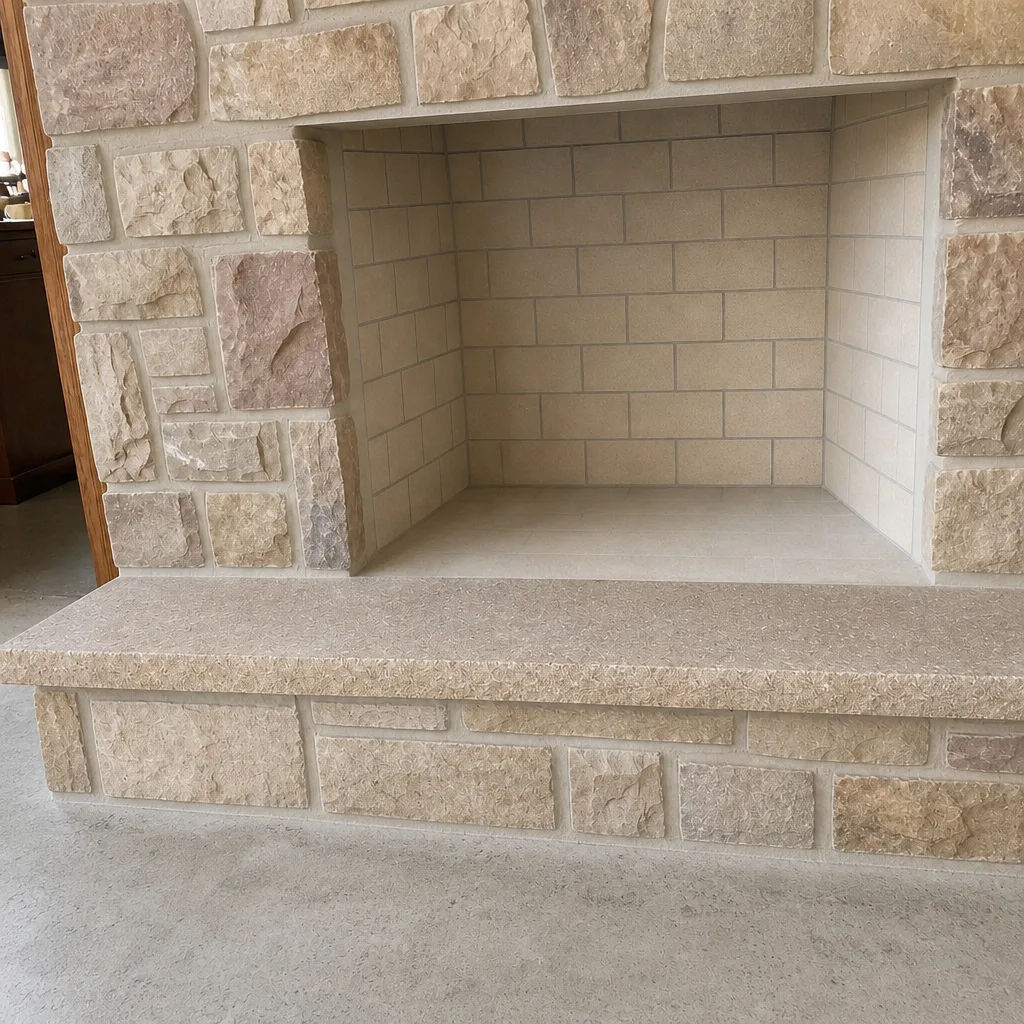
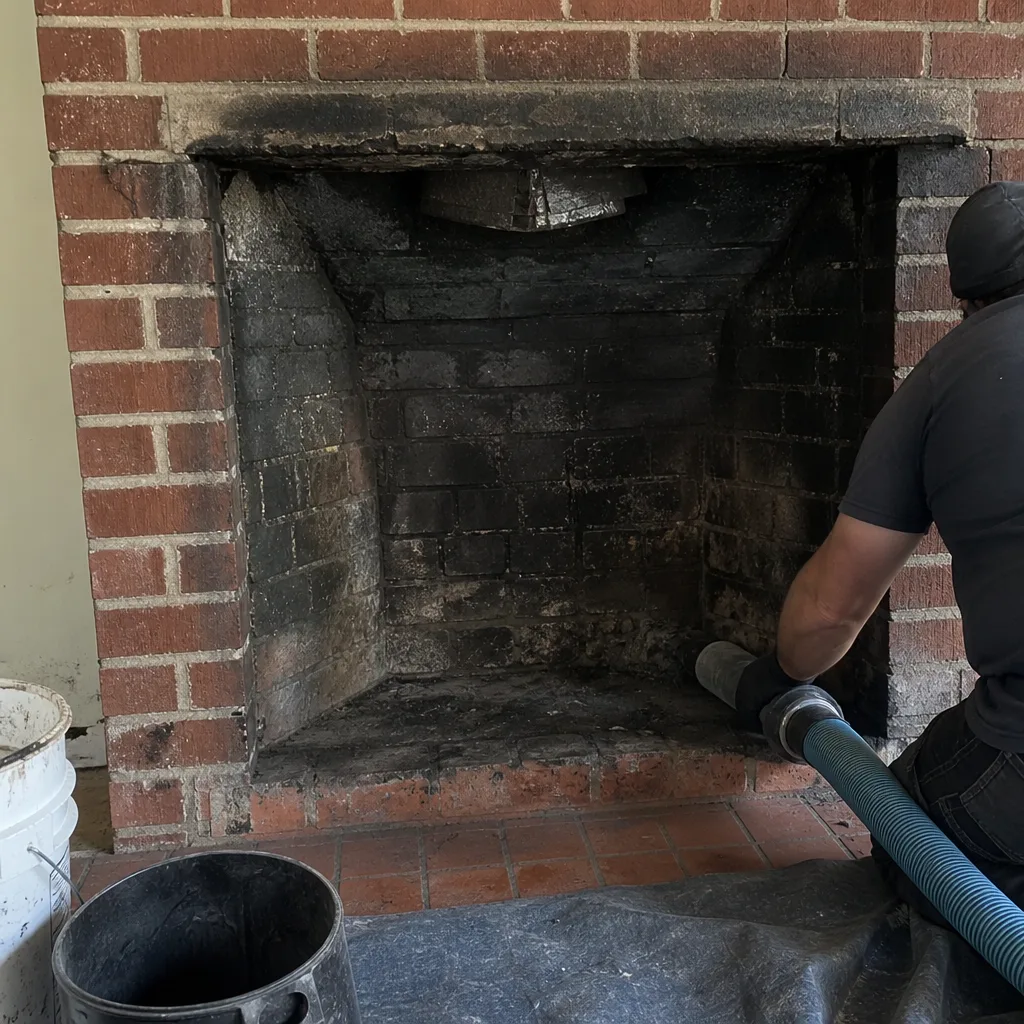
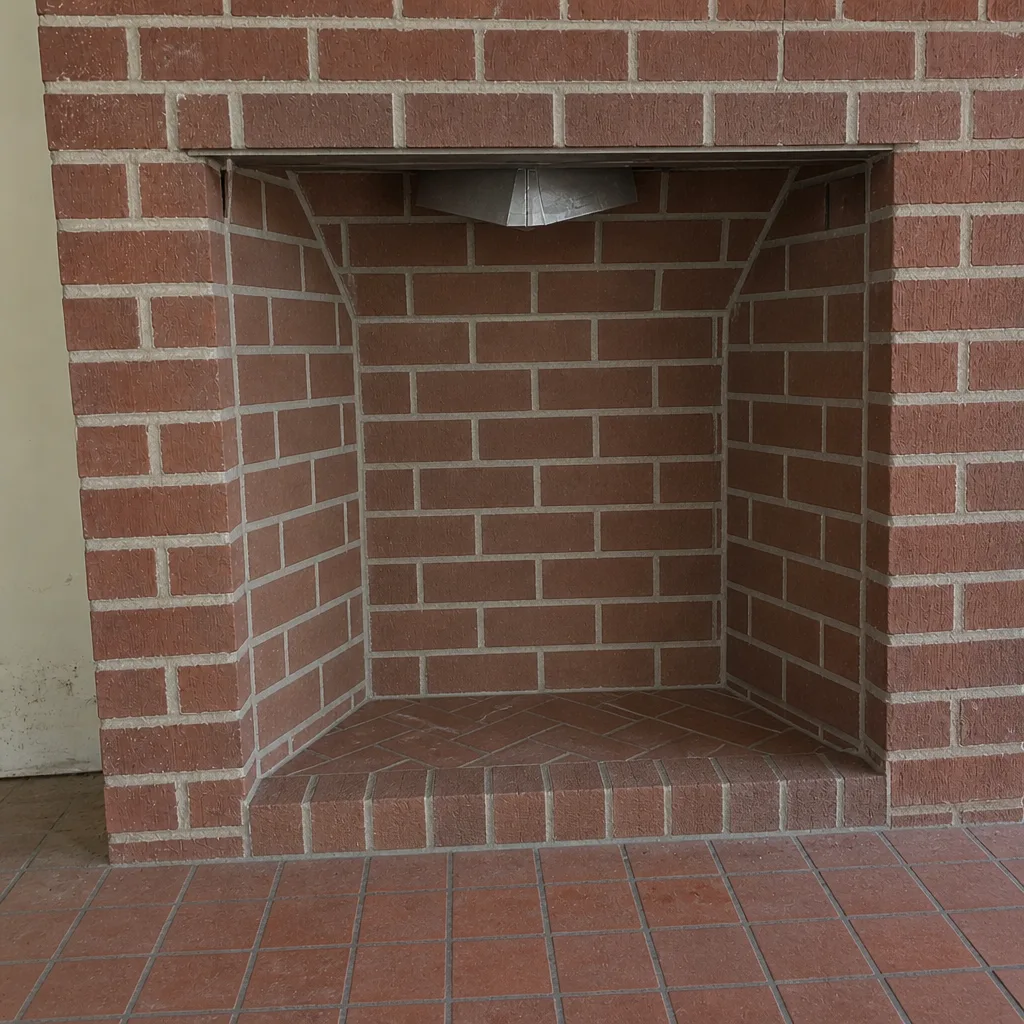
See the difference
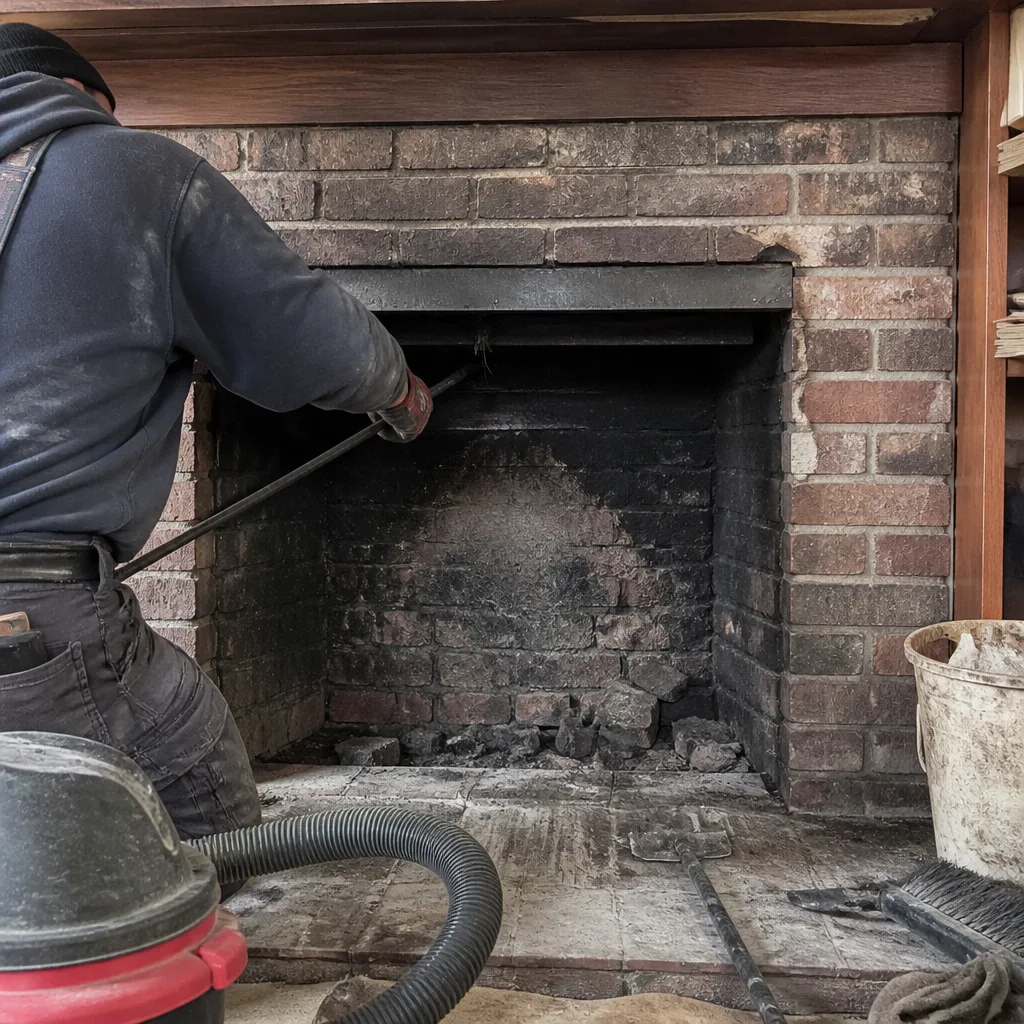 Before
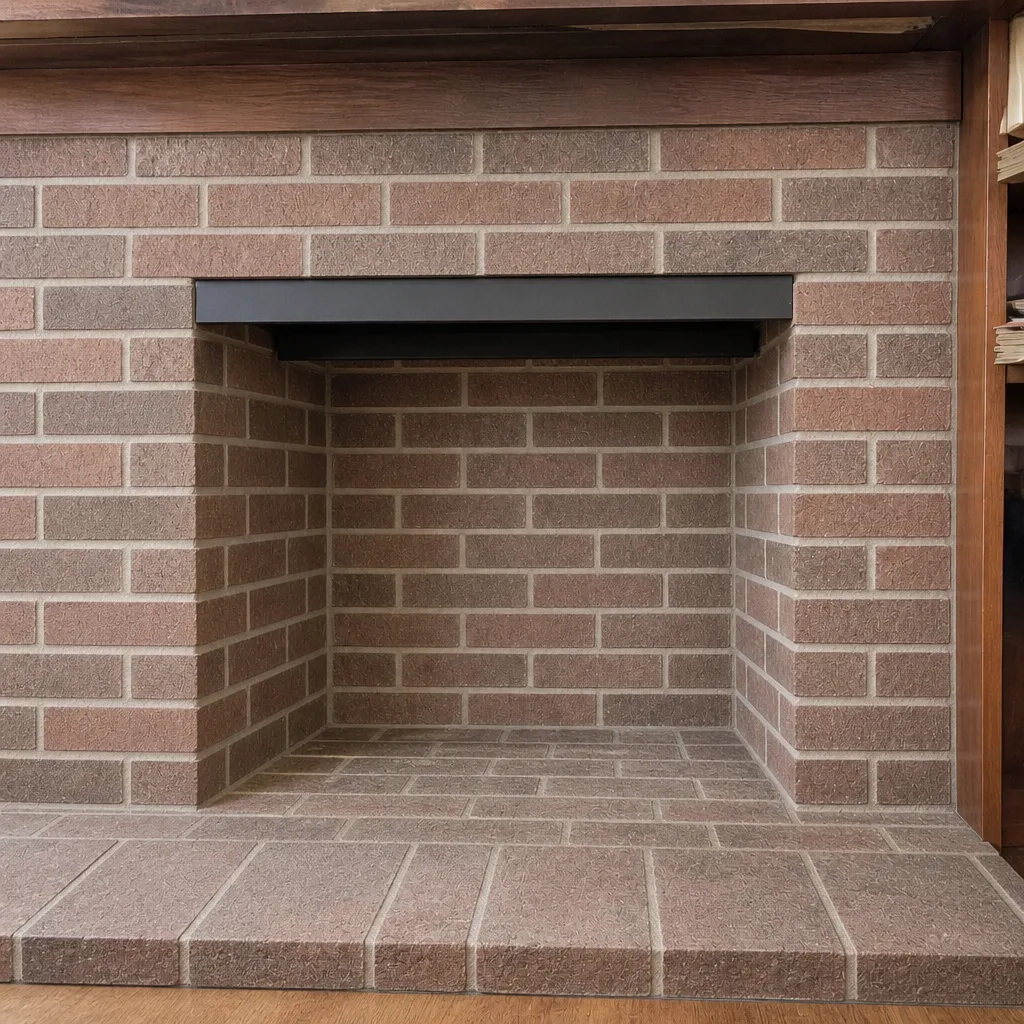 After
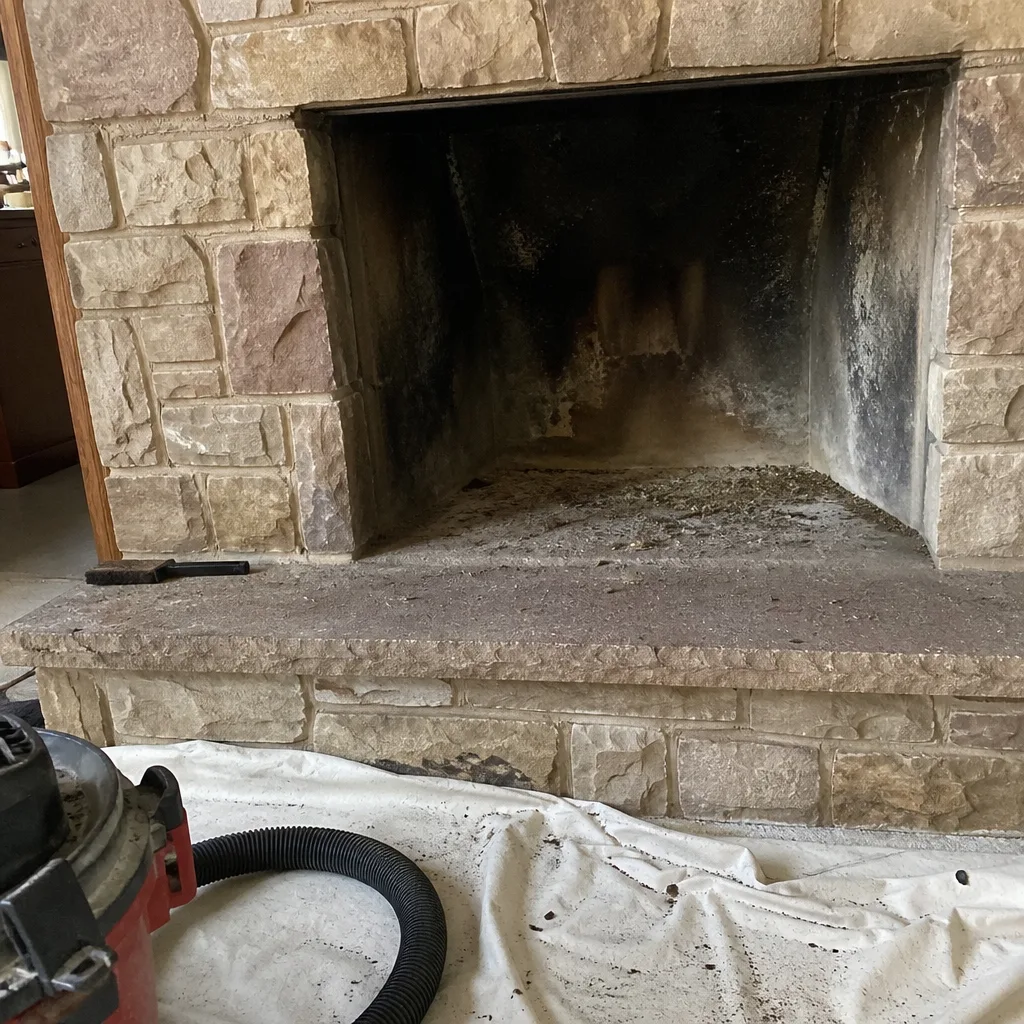 Before
 After
 Before
 After