
Last updated November 15, 2026
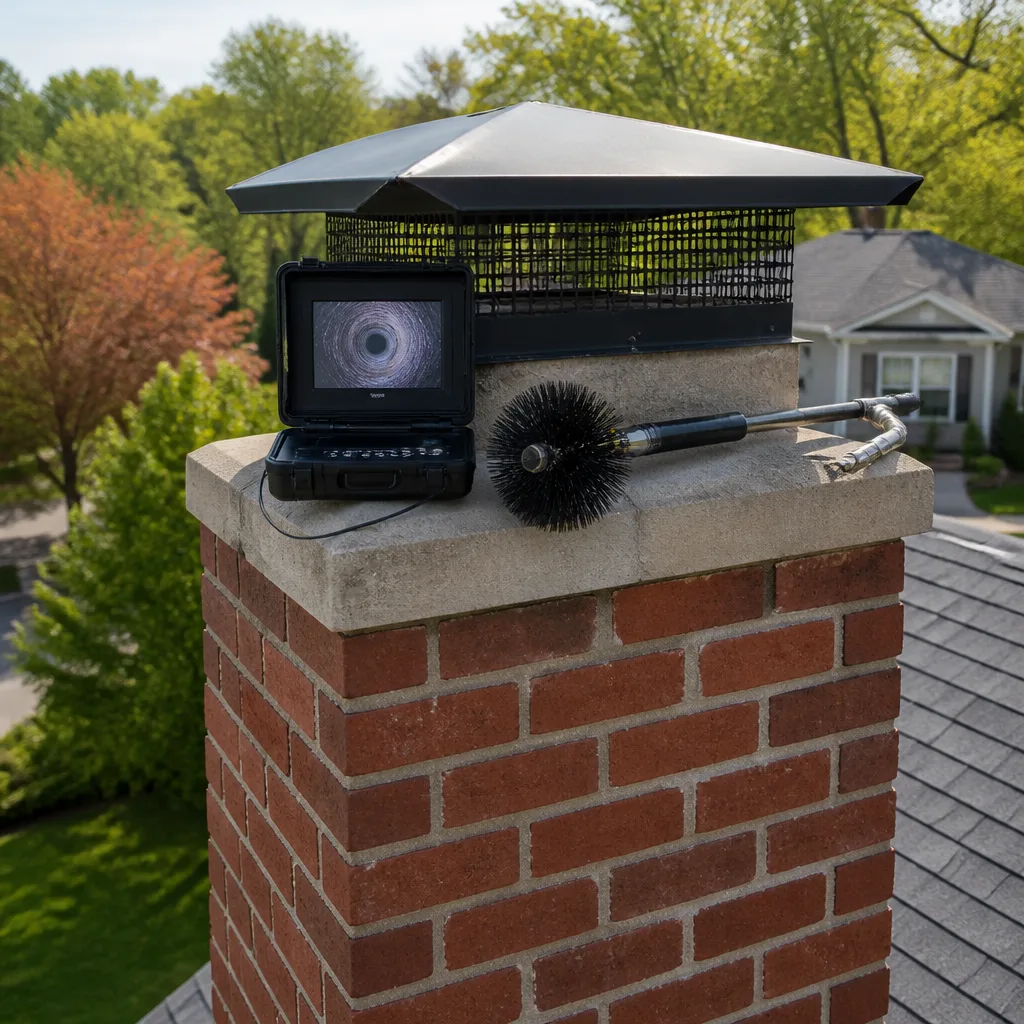 Sweep & inspection
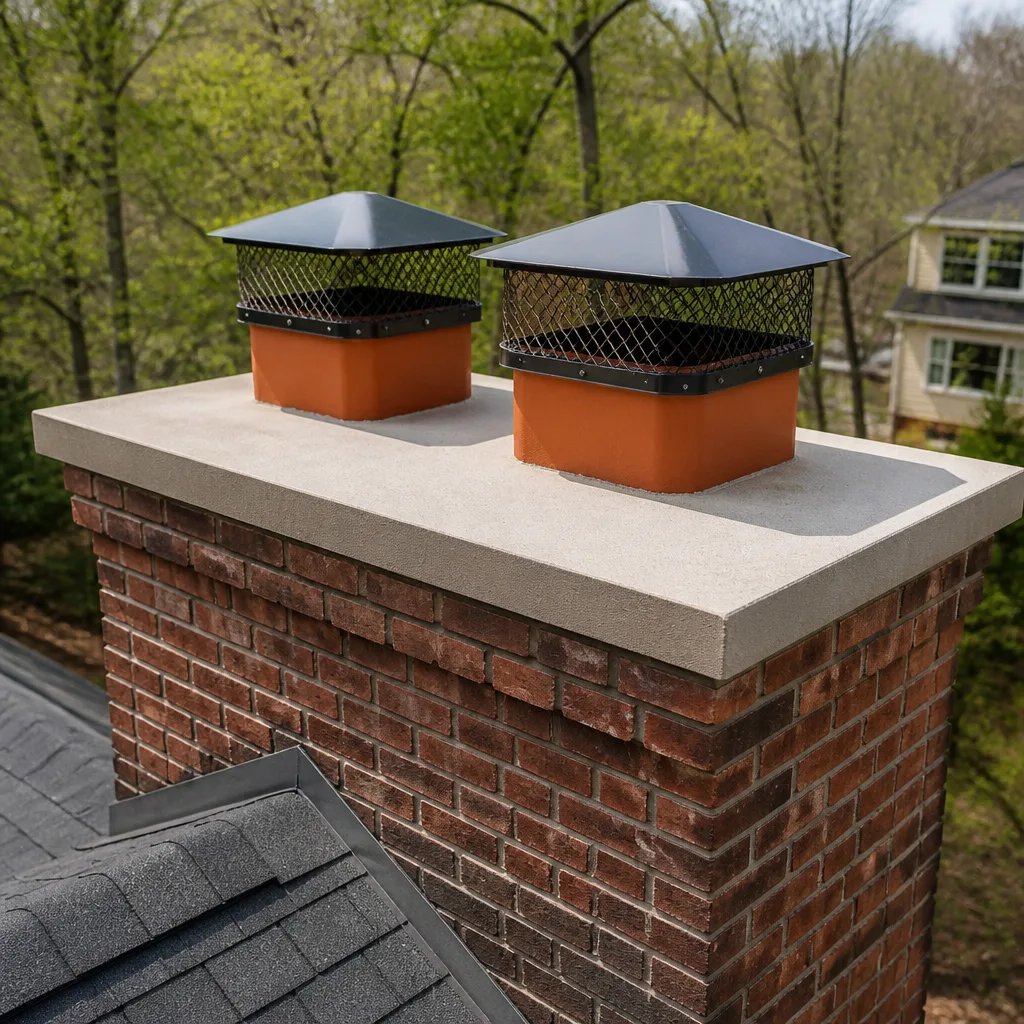 Caps & crowns
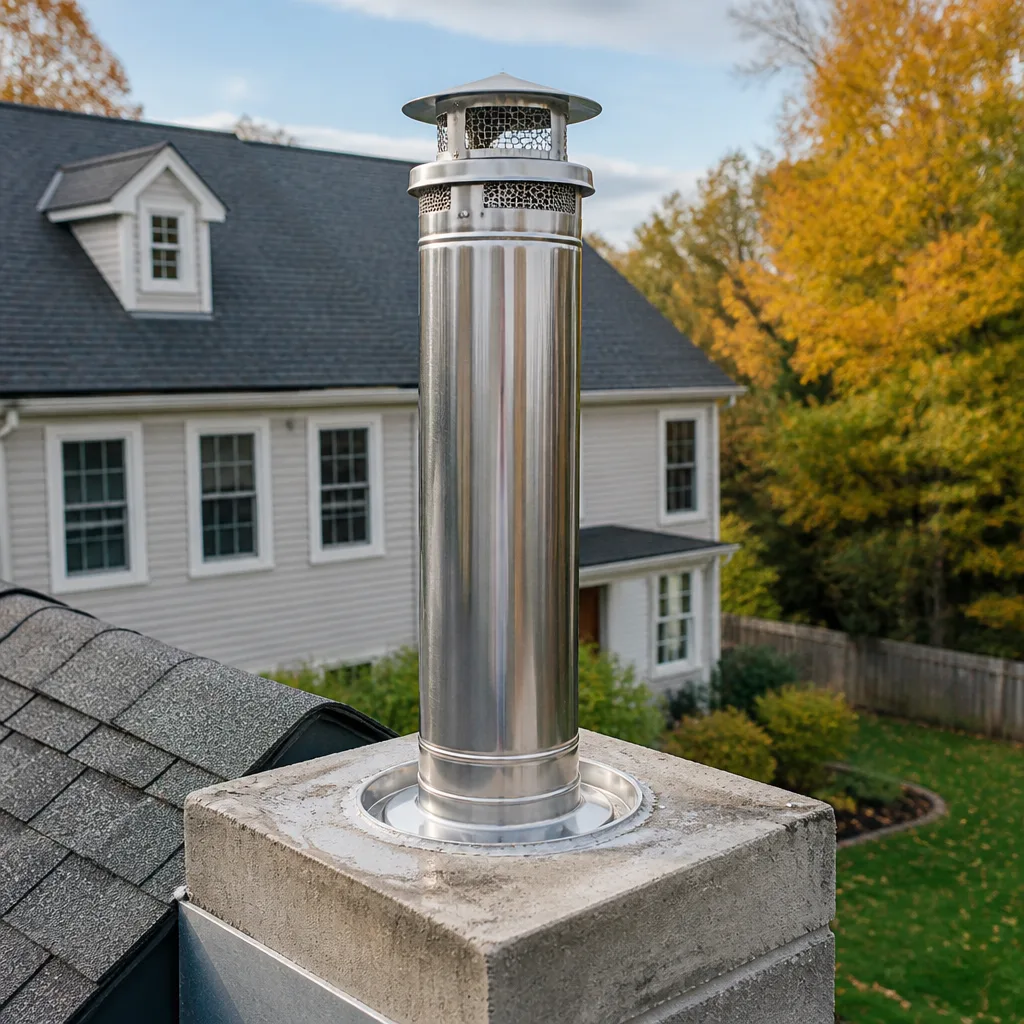 Flue relining
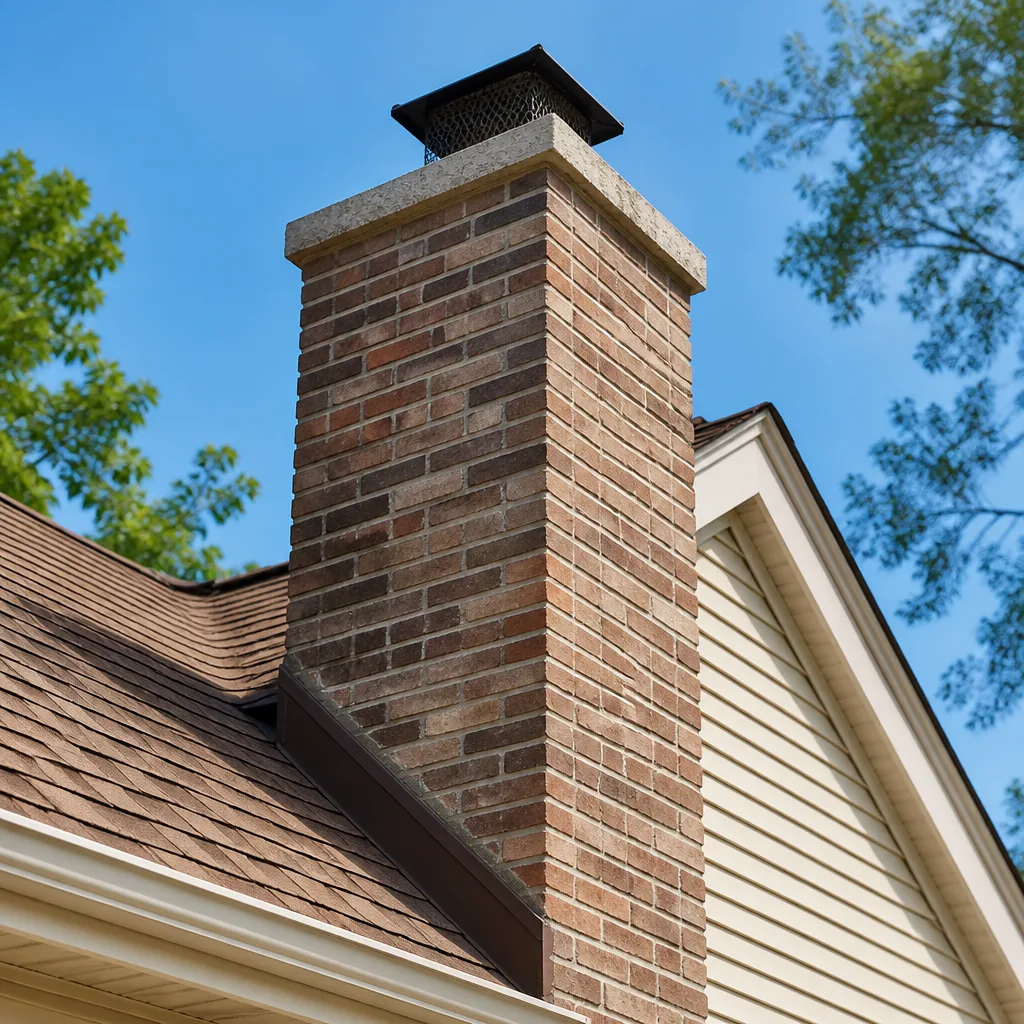 Masonry repair
 Gas fireplace service
Level 1 sweep and inspection to the NFPA 211 annual standard - flue, crown, cap, and flashing checked and photographed
Chimney sweep logs do not sweep chimneys. They loosen some creosote - which then falls where a brush and vacuum still have to collect it.
DIY vs Professional Chimney Cleaning: The Milwaukee Homeowner’s Decision Guide
The chimney brush kits on the shelf at Milwaukee hardware stores are built for one job: knocking loose, fluffy, first-degree creosote off the walls of a flue. That’s it. If your flue has moved past that stage into sticky or glazed deposits, which happens fast when you burn unseasoned wood or run short, smoldering fires to stretch a cord, those same brushes can smear residue deeper into liner cracks and make the next inspection harder to read. We’re not going to tell you DIY cleaning never works. We’re going to tell you exactly when it does, when it doesn’t, and how to know which situation you’re in before you climb anything. By the end you’ll have a clear path for your flue type, your burning habits, and your last inspection date.
Quick Answer
DIY chimney cleaning is a reasonable option in one narrow case: a single-story home, a standard masonry flue with a straight run, and confirmed first-degree creosote that you can see is light and flaky. Everything else, including glazed creosote, prefabricated chimneys with unknown liner condition, any flue that hasn’t been inspected, and anything taller than one story, is a job for a professional with camera inspection equipment. Most Milwaukee homes we’re called to fall into the second group, not the first.
Styles & brands we work with
- Sweep & inspection
- Caps & crowns
- Flue relining
- Masonry repair
- Gas fireplace service
Table of Contents
- Why DIY Only Works in a Narrow Set of Conditions
- Reading Your Creosote: The Three Degrees Explained
- What a Real DIY Attempt Requires, and What It Costs
- What You Physically Cannot See Without a Camera
- The Liability and Insurance Question Milwaukee Homeowners Ask
- Your Decision Tree: Flue Type, Inspection History, Burning Habits
- How a Professional Sweep Actually Goes in Milwaukee
- Milwaukee Climate, Housing Stock, and Why Chimneys Age Fast Here
Why DIY Only Works in a Narrow Set of Conditions
The framing most homeowners carry into this decision is wrong. The question isn’t “can I clean my chimney myself?” It’s “can I clean my chimney myself and be confident the result is safe?” Those are different questions, and the gap between them is where trouble lives.
For DIY to be a defensible choice, all of the following have to be true at once:
- Single story. A one-story flue you can reach the top of safely from a stable ladder on solid ground, with no roof pitch to navigate and no skylights or power lines in the way.
- Standard masonry flue. A traditional clay-tile-lined brick chimney with a straight vertical run. No offsets, no prefabricated metal chimney with an unknown liner, no inserts.
- Confirmed first-degree creosote. Light, flaky, soot-like deposits you can actually see with a strong light. Not sticky, not tar-like, not glazed.
- Recent inspection on record. A documented inspection within the last year confirms the liner is intact, the smoke chamber is sound, and the cap seal is holding.
- You have the right equipment. Not a $40 poly brush and a flashlight. We’ll cover the real list below.
Miss any one of those and the math changes. A two-story masonry flue with an offset, an unseasoned-wood burn habit, and no inspection since the house changed hands? That’s not a DIY candidate. That’s a call to a professional. In our experience working Milwaukee’s older housing stock, especially around Riverside Park and the East Side where homes date back a century or more, the number of chimneys that pass all five tests is smaller than most owners expect.
This is also where the first difference between a generalist handyman and a chimney specialist shows up. A handyman with a brush can sweep a flue. A chimney professional can look at what came down and tell you what it means, then fix what it points to. That’s the whole point of a chimney sweep visit done right: the diagnosis and the work happen together, so nothing gets missed between the two.
Reading Your Creosote: The Three Degrees Explained
Creosote is the residue left behind by wood smoke as it cools on its way up the flue. How it looks tells you how far along the buildup has gone, and each stage demands a different response. This is the single most important thing to understand before deciding to DIY.
First degree: light and flaky
Soot and flaky black deposits, usually a thin coat. A brush removes it cleanly. This is the only stage a homeowner with the right equipment can reasonably attack. If you burn well-seasoned wood (split and dried at least a year), keep fires hot, and get annual inspections, you may never see anything past this stage.
Second degree: sticky and granular
Deposits that are tacky to the touch, sometimes with a granular or crusty texture. This forms when fires run cool or wood is damp. A hand brush scrubs the surface but pushes residue deeper into cracks, and the deposits can re-form quickly. This stage usually calls for professional mechanical cleaning with proper rods and a HEPA-equipped vacuum, and it often means you need to fix how you burn, too.
Third degree: glazed and tar-like
A hard, shiny, tar-like coating. This is the dangerous stage, and the one a brush cannot touch. Glazed creosote can ignite, and it’s often located precisely where the brush can’t reach: in the smoke chamber, at flue offsets, and along the upper liner walls. Third-degree deposits typically need chemical treatment to break them down before mechanical cleaning, and sometimes call for a professional assessment of whether the liner is still sound at all. This is not a DIY job under any circumstances.
If you’re not sure which stage you’re looking at, the honest answer is you don’t know yet, and guessing is the wrong move. A camera inspection resolves it in minutes.
What a Real DIY Attempt Requires, and What It Costs
Let’s be specific about equipment, because this is where DIY estimates usually fall apart. The $40 kit at the hardware store isn’t a kit; it’s a brush and a short handle. A serious attempt at a one-story masonry flue needs more.
- Rod kit. Flexible fiberglass rods sized for your flue’s diameter, long enough to reach the top of the flue from inside the firebox. You want commercial-grade rods, not flexible plastic.
- Correct brush diameter. Match the brush to the flue’s interior size within about half an inch. Too small and it doesn’t clean; too big and it jams or cracks tile.
- HEPA vacuum or chimney vacuum. Sealed at the firebox opening so soot doesn’t escape into your living room.
- Powerful inspection light. A headlamp or floodlight you can position inside the firebox to see the flue walls clearly.
- Carbon monoxide monitor. Placed in the room, running throughout the job. Non-negotiable.
- Drop cloths, dust masks, and gloves. The setup protects the room as much as the chimney.
What does that run? A realistic serious setup, with commercial rods, a matched brush, and a proper sealed vacuum, typically lands in the several-hundred-dollar range and up depending on what you already own. That’s equipment cost before you’ve spent a morning on a ladder, before you know what came down the flue, and before you’ve had anyone inspect the result. A professional sweep in Milwaukee is a one-time cost per visit, includes the inspection and a camera look, and ends with a written account of what’s there. For most homeowners doing the math honestly, the DIY equipment investment only pays off if they’ll do it year after year on a simple flue.
Safety matters here in a way equipment lists can undersell. Climbing a roof, working a ladder one-handed, and reaching into a flue are each genuine injury risks. If you’re going to attempt it, do it on solid footing, never alone, and stop the moment anything looks off.
What You Physically Cannot See Without a Camera
This is the crux of the whole decision. Even a homeowner with a good flashlight and a careful eye can only see the lower portion of the flue from the firebox, and very little from the top. Three critical pieces of the chimney system are effectively invisible without specialized equipment:
- Liner integrity. Hairline cracks in clay tile liners, gaps at tile joints, and separation between the liner and the flue wall. You cannot eyeball these reliably from the firebox, and you certainly can’t confirm the upper sections. A camera inspection sees them directly.
- Smoke chamber condition. The chamber above the damper is a place where creosote and soot accumulate heavily, and where tile and mortar can deteriorate out of view. Most chimney problems we find in Milwaukee live here.
- Cap and crown seal. Whether the cap is properly attached, whether the crown is cracked and letting water in, and whether the flue is protected from rain and animals at the top. This drives so much of the long-term damage we see.
Why do those gaps matter? Because a chimney looks fine from inside your living room right up until it doesn’t. Water infiltration through a failed crown or a loose cap is the leading cause of masonry deterioration we run into around Milwaukee, and the freeze-thaw cycle here accelerates it. A crack that lets in a little water in October becomes a spalled flue liner by February. That doesn’t happen overnight, but it happens invisibly. A camera inspection catches it and lets you fix it while it’s still small.
This is also where a sweep-only visit falls short. A crew with a brush doesn’t see inside the flue; a crew with a camera does. When we inspect, the camera runs the full length of the flue and the smoke chamber, and we show you what we find on the monitor. No guessing, no pressure to buy work you can’t verify.
The Liability and Insurance Question Milwaukee Homeowners Ask
This part gets skipped in most DIY guides, and it’s the one that can matter most after a chimney fire.
Homeowners insurance policies generally expect the homeowner to maintain the property in good condition, and a chimney fire claim can trigger scrutiny of maintenance records. We’re not going to tell you what your policy says; that’s between you and your insurer, and the language varies. What we can tell you is the practical reality: when a fire occurs and there’s no documented professional inspection or cleaning on record, claims can be contested on the basis of deferred maintenance. When there is a record, the conversation looks very different.
What that means for the DIY decision:
- If you clean your own chimney and something goes wrong, you’re relying entirely on your own records. Keep photos, dates, and notes.
- A professional sweep produces a documented inspection that adds to the home’s maintenance history, which is valuable at claim time and at resale.
- When the inspection finds a problem, having it documented and repaired by the same trained crew closes the loop.
- Your policy is the authority on what’s covered. Read it, and ask your agent specifically about chimney fire claims and maintenance expectations.
For older Milwaukee homes with deferred maintenance (and there are many), a documented inspection history is worth having on hand. It’s not about blame. It’s about verifiable facts.
Your Decision Tree: Flue Type, Inspection History, Burning Habits
Here’s the practical path. Answer these questions honestly, in order, and they’ll point you to the right choice.
Step 1: What’s your flue type?
- Standard masonry, straight run, one story: continue to Step 2.
- Masonry with an offset or two stories or more: professional sweep. The brush and camera can’t be worked correctly from below in an offset flue.
- Prefabricated metal chimney or insert: professional inspection first, always. The liner is a critical component you can’t assess without a camera.
Step 2: When was the last documented inspection?
- Within the last year: continue to Step 3.
- More than a year ago, or never: professional inspection first, before any cleaning. You don’t know what you’re sweeping until someone looks.
Step 3: What’s your burning habit?
- Seasoned wood, hot fires, annual cleaning: a DIY sweep on a simple one-story masonry flue is a defensible choice.
- Unseasoned wood, damp wood, or short smoldering fires: professional sweep, because you’re likely past first-degree creosote.
- You don’t know how the home was burned before you moved in: professional inspection first. This is the single most common scenario we see in older Milwaukee homes.
If you cleared all three steps, DIY is on the table. If you hit a “stop” anywhere, book a professional. No hedging needed. In our experience, most homeowners who take this decision tree honestly end up booking a sweep, because the number of homes that pass all three steps is genuinely small.
How a Professional Sweep Actually Goes in Milwaukee
A professional sweep isn’t the DIY job done by someone else. It’s a different set of steps, done with equipment and knowledge that make the result verifiable. Here’s how a visit typically unfolds:
- Setup and protection. Drop cloths, sealed vacuum at the firebox, and the room protected before anything goes up the flue.
- Inspection first, then cleaning. A camera run of the flue and smoke chamber tells us what we’re dealing with. Light creosote cleans one way; glazed creosote demands a different approach.
- The sweep itself. Mechanical cleaning with the right brush and rods for the flue type, plus removal of what loosens. The HEPA vacuum keeps soot out of your living space.
- Camera re-check. We look again after cleaning to confirm the liner and chamber are clear and to spot anything the deposits were hiding.
- The photo report. You get a documented account of what we found, what we cleaned, and what needs attention next. Anything we recommend, you can see for yourself on the camera footage.
- Repair, if needed, by the same crew. Caps, crowns, liner issues, and smoke chamber problems get handled by the team that did the inspection. Weatherizing and termination work use manufacturer-spec products from our stocked line, including Gelco and Famco caps and covers, so the same visit can close the loop.
Our technicians have up to 8 years of experience, and the repair work happens on the same visit whenever possible. That matters if the inspection uncovers a damaged liner. We stock HeatShield ceramic resurfacing, which lets us restore a damaged flue lining in many cases instead of full relining, and we carry DuraFlex and Olympia Chimney liner systems when a full reline is the right answer. The point is that the material follows the diagnosis, not the other way around. That’s a chimney repair scope built around what the camera finds.
Milwaukee Climate, Housing Stock, and Why Chimneys Age Fast Here
Milwaukee is hard on chimneys, and the reasons are specific to the place. Three factors stand out:
Freeze-thaw cycles. Water gets into masonry through a cracked crown or a failed cap seal, freezes, expands, and does its damage. Milwaukee swings above and below freezing repeatedly through late fall and early spring, which means every wet-then-cold cycle opens existing cracks a little wider. This is why a damaged cap is not a cosmetic issue here; it’s the entry point for real deterioration.
Hot summers, cold winters, tall trees. The combustion loads vary widely between seasons. Chimneys that sat idle through July get hot fires going in September. That cycling loosens deposits that a summer burn habit might not have created.
Older housing stock. A significant portion of Milwaukee’s residential neighborhoods, from the East Side row houses to the bungalows west of downtown to Bay View’s older stock, date back many decades. That means original or mid-century liners, some already showing wear, and chimneys that may have gone years without inspection. When you buy an older home in Milwaukee, assume the chimney’s condition is unknown until someone looks.
Put those together and the case for regular inspection gets stronger, not weaker. It’s not that Milwaukee chimneys are worse. It’s that the local climate and housing inventory make unverified problems more likely. Sweep, inspect, and repair in one visit when possible is the reliable path. We work across Milwaukee and know these neighborhoods and their housing quirks well. If you want the full picture of what we do, visit Milwaukee Chimney Sweep.
Common Mistakes to Avoid
- Buying a $40 brush kit and calling it a sweep. Those kits are undersized for real flues and the rods are too short. You end up brushing the bottom third of the flue and leaving the rest untouched.
- Burning unseasoned wood and expecting it not to matter. Green or damp wood is the fastest route from first-degree to second-degree creosote. Split your wood and let it dry properly before it goes in the firebox.
- Skipping inspection because the chimney looks fine from inside. The damage lives in the flue, the smoke chamber, and the crown, none of which you can assess visually from the firebox. Looks mean nothing without a camera.
- Running short, smoldering fires to stretch your wood. Slow, cool fires are a creosote factory. Hot fires burn cleaner. This one habit changes more than any other.
- Ignoring the chimney cap and crown. A missing or damaged cap lets rain and animals in, and a cracked crown lets water into the masonry. Both cause more expensive damage the longer they wait.
- Cleaning the flue but never dealing with the smoke chamber. The smoke chamber above the damper is where creosote and soot concentrate hardest. A brush that never reaches it has done half the job.
- Assuming a handyman’s sweep is the same as a chimney specialist’s. A handyman with a brush can knock soot down. Reading what came down, and diagnosing what it means, requires different training and equipment.
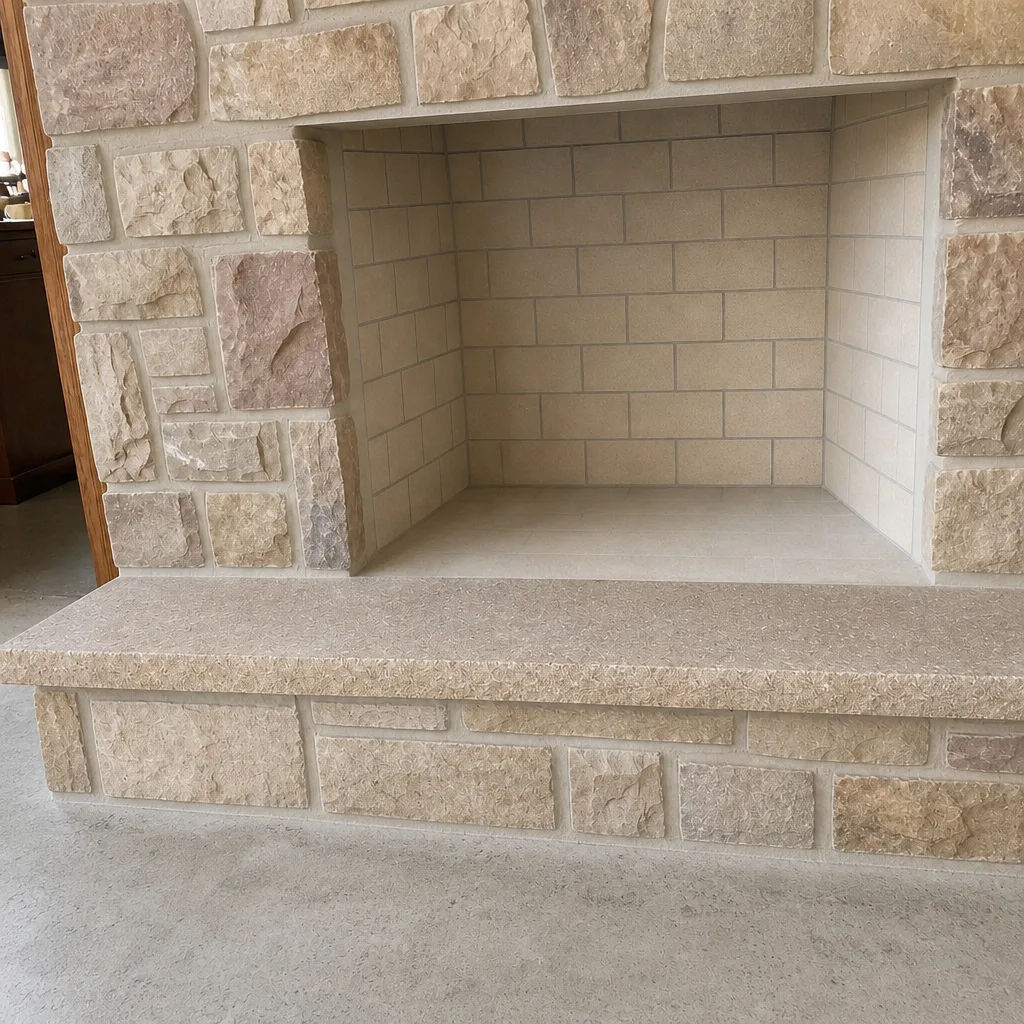
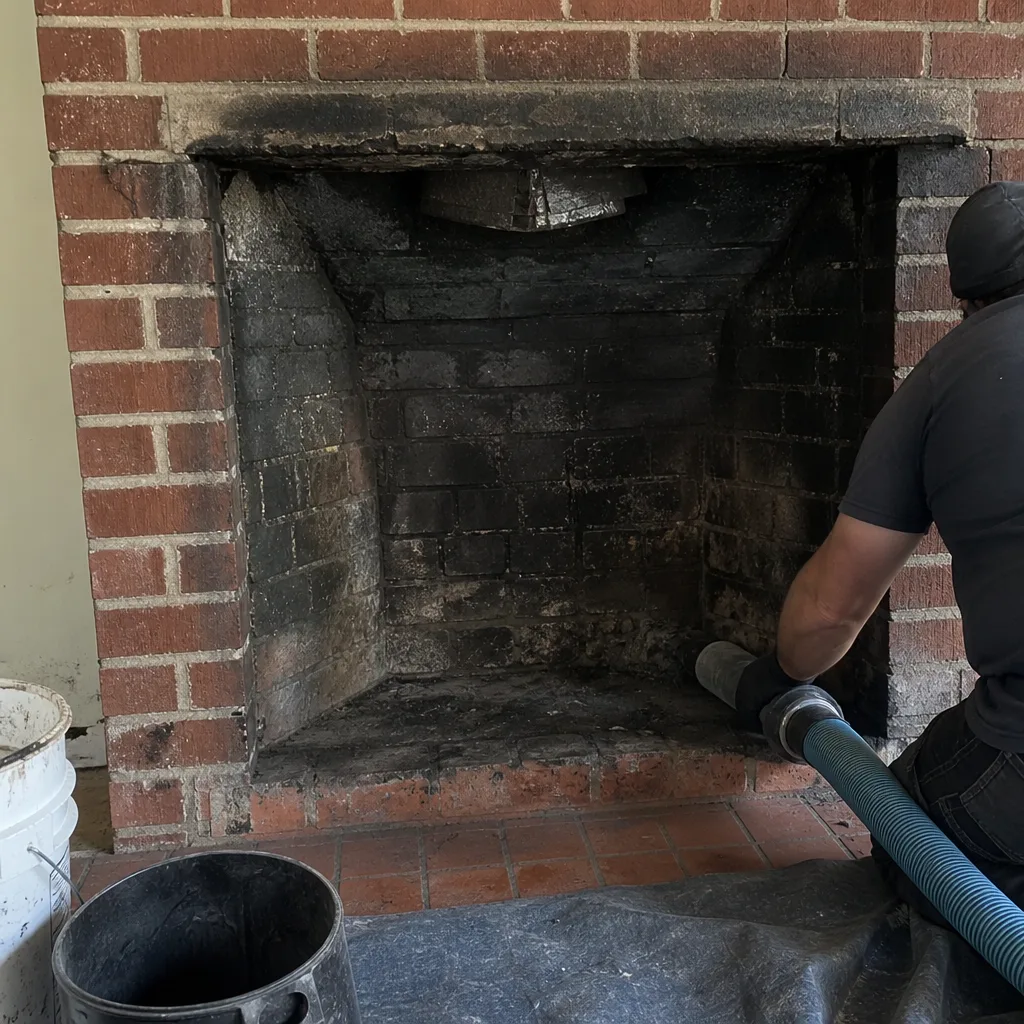
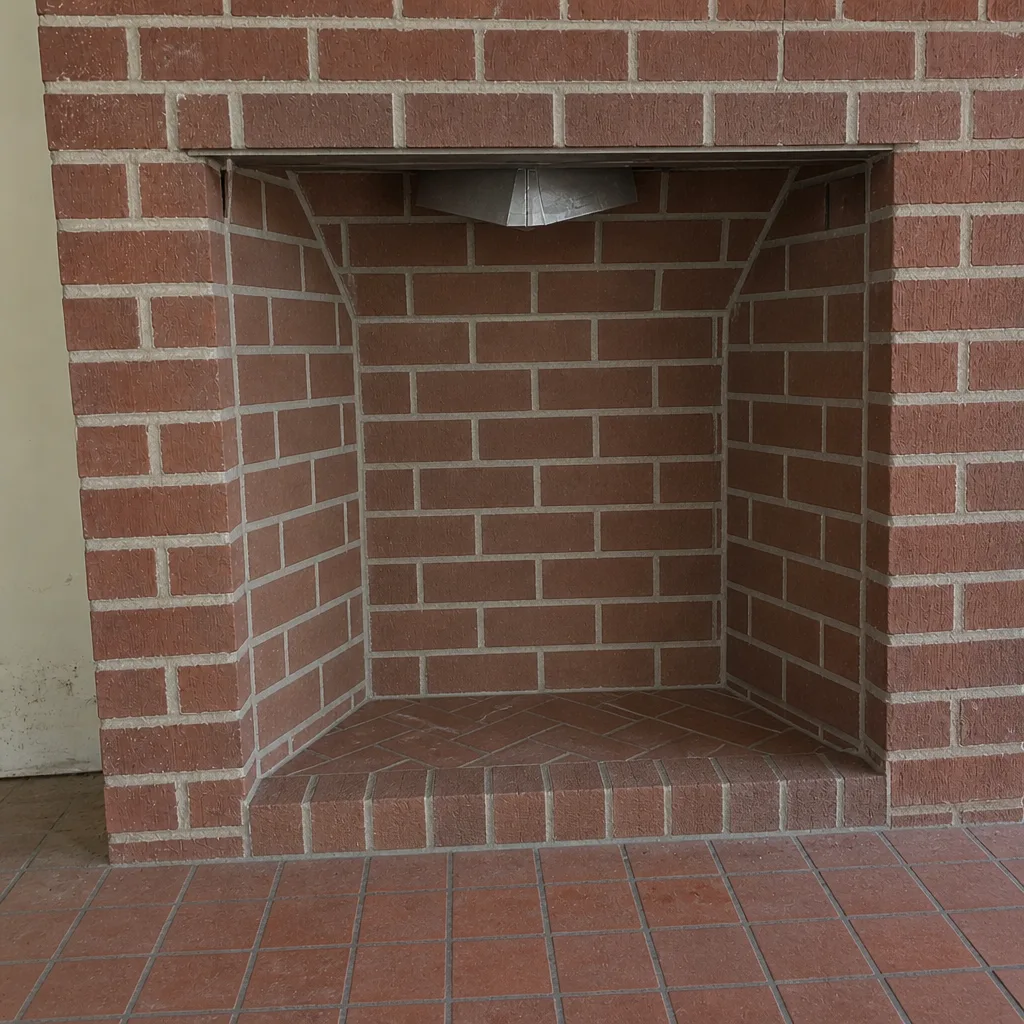
See the difference
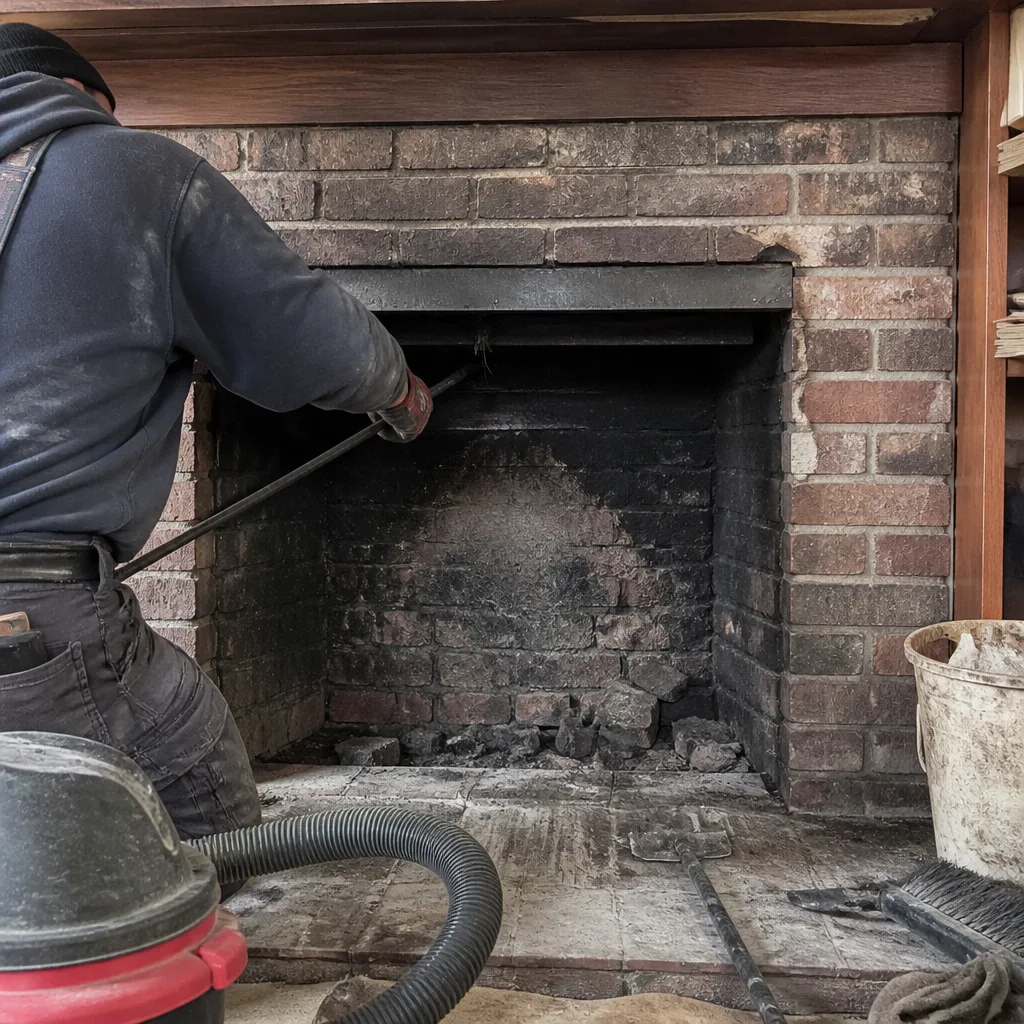 Before
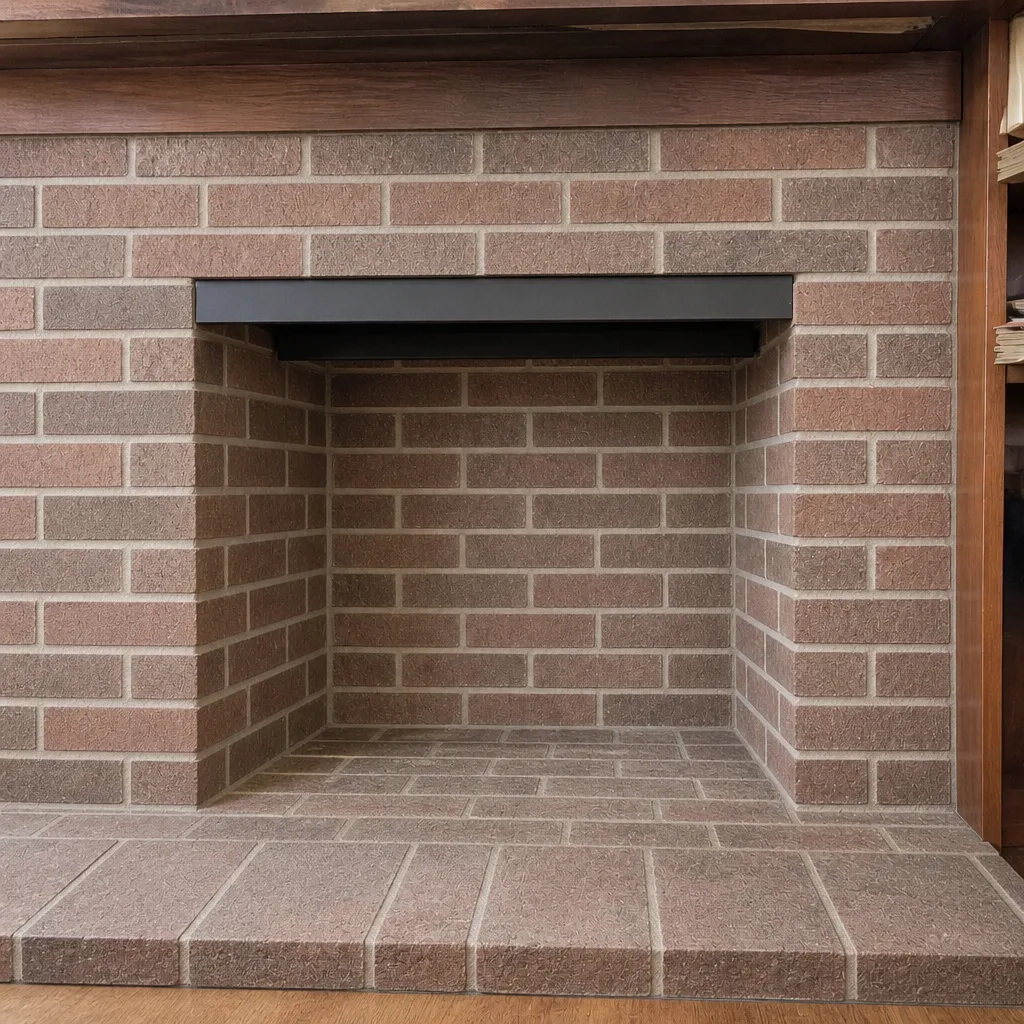 After
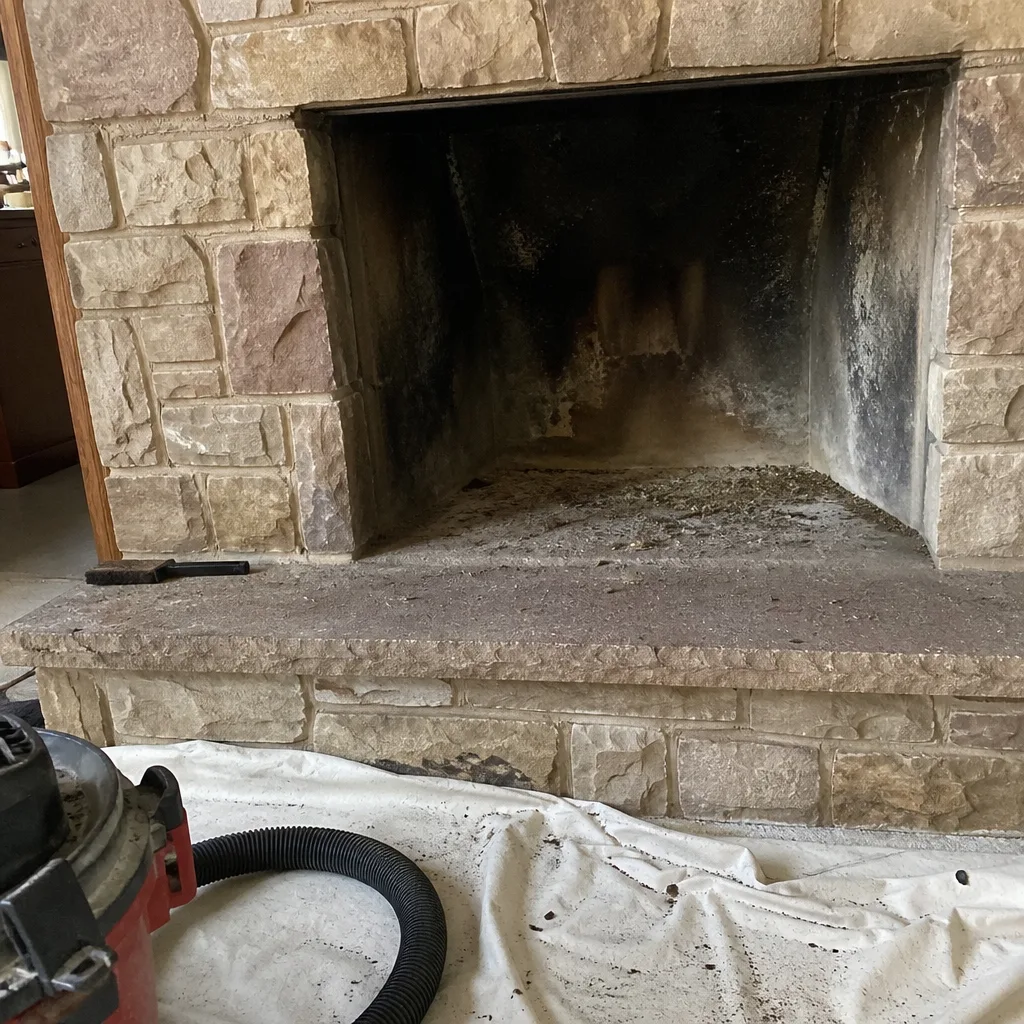 Before
 After
 Before
 After
When to Call a Professional
Call a professional if any of these apply: second- or third-degree creosote; a prefabricated metal chimney or insert; a flue with an offset or a home taller than one story; no inspection in the past year; a home you’ve recently purchased; a smell of smoke lingering in the house; a smoke-blocked or staining flue; an unknown liner condition; or any situation where you’re not certain which creosote stage you’re dealing with. Each of these tips the decision tree toward a professional visit, and the cost of a sweep-plus-inspection is small compared to the cost of a chimney fire or liner failure. Milwaukee Chimney Sweep offers free estimates in Milwaukee, and our technicians have up to 8 years of experience. Call (855) 935-4194.
Frequently Asked Questions
A standard chimney sweep in the Milwaukee area is priced per job by a written estimate, and estimates are free. The written estimate sets the final price, so ask for it before work begins. Call (855) 935-4194 for an exact quote – estimates are free.
Most of the time, no. Damaged liners can often be restored with HeatShield ceramic resurfacing instead of a full relining, which saves significant cost. A camera inspection tells us which path your flue needs, and we show you the footage before recommending any work. Call (855) 935-4194 for an exact quote – estimates are free.
Once a year is the common baseline, and more often if you burn frequently or have a wood-burning insert. Annual inspection catches creosote buildup, crown cracks, and cap issues before they turn into liner damage. A Milwaukee burn season goes through enough freeze-thaw cycles that yearly inspection earns its keep. Call (855) 935-4194 for an exact quote – estimates are free.
Creosote and soot accumulate, then the stage climbs from first to second to third degree. A blocked or heavily glazed flue means chimney fire risk and carbon monoxide risk, and a damaged cap or crown means water damage that only accelerates. The longer you wait, the more expensive the repair. Call (855) 935-4194 for an exact quote – estimates are free.
Only if you have a single-story standard masonry flue, a straight run, confirmed first-degree creosote, and a documented inspection within the last year. If any of those fail, book a professional sweep. A camera inspection is the only way to know which case you’re in, and it takes minutes. Call (855) 935-4194 for an exact quote – estimates are free.
We answer 24/7 and book a sweep, inspection, or repair visit. Fast dispatch from 7am to 7pm, Sunday through Friday. A call outside dispatch hours is booked into the next opening, Sunday through Friday, 7am to 7pm.
The Bottom Line
DIY chimney cleaning is genuinely viable in one narrow case: a single-story home, a straight masonry flue, confirmed first-degree creosote, and a recent inspection on record. Outside that case, the risk climbs fast, because glazed creosote and hidden liner damage are what a homeowner can’t see and a brush can’t fix. Read your creosote honestly, know your flue type, and use the decision tree. If you’re not sure, get the camera inspection first. The sweep, the inspection, and the repair happen together when possible, with professional materials matched to what the flue actually needs. For a free estimate, call (855) 935-4194. We answer 24/7. Fast dispatch from 7am to 7pm, Sunday through Friday.
Written by the team at Milwaukee Chimney Sweep.