
Last updated November 15, 2026
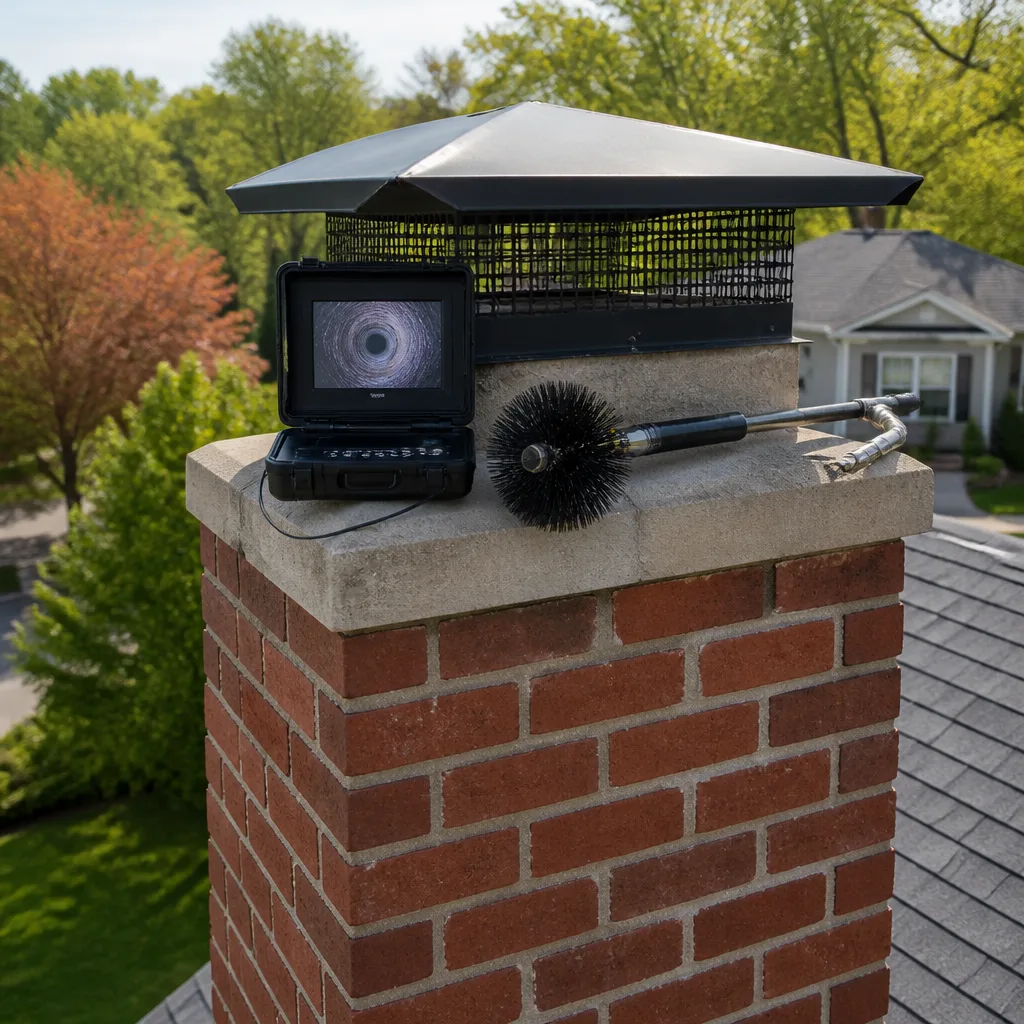 Sweep & inspection
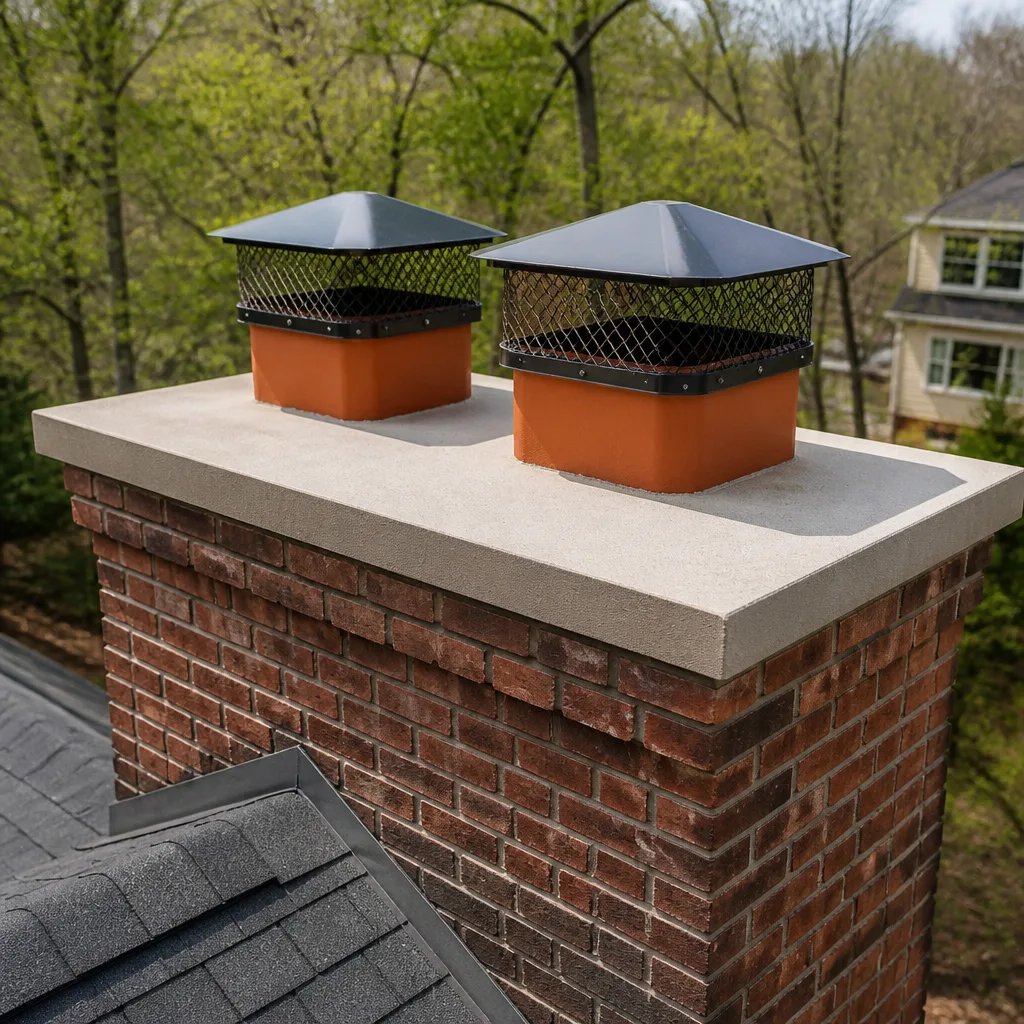 Caps & crowns
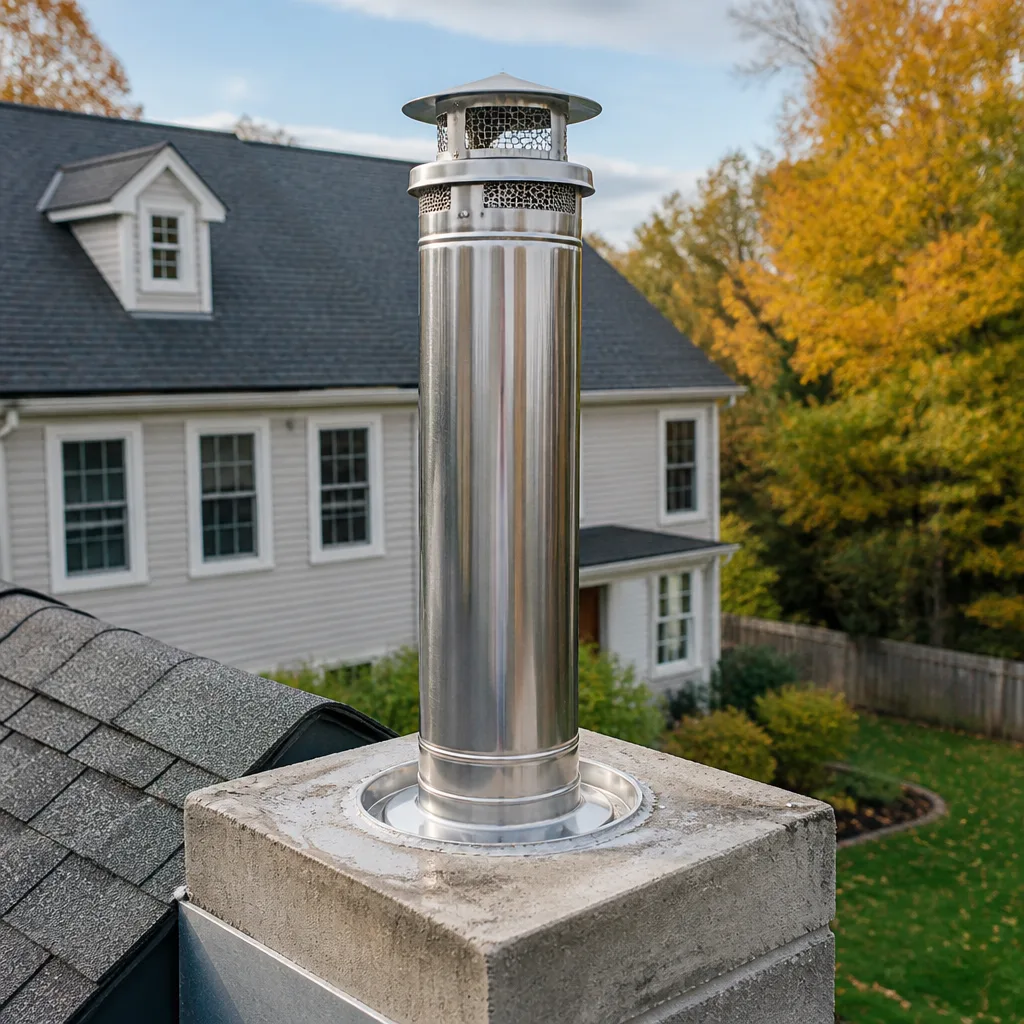 Flue relining
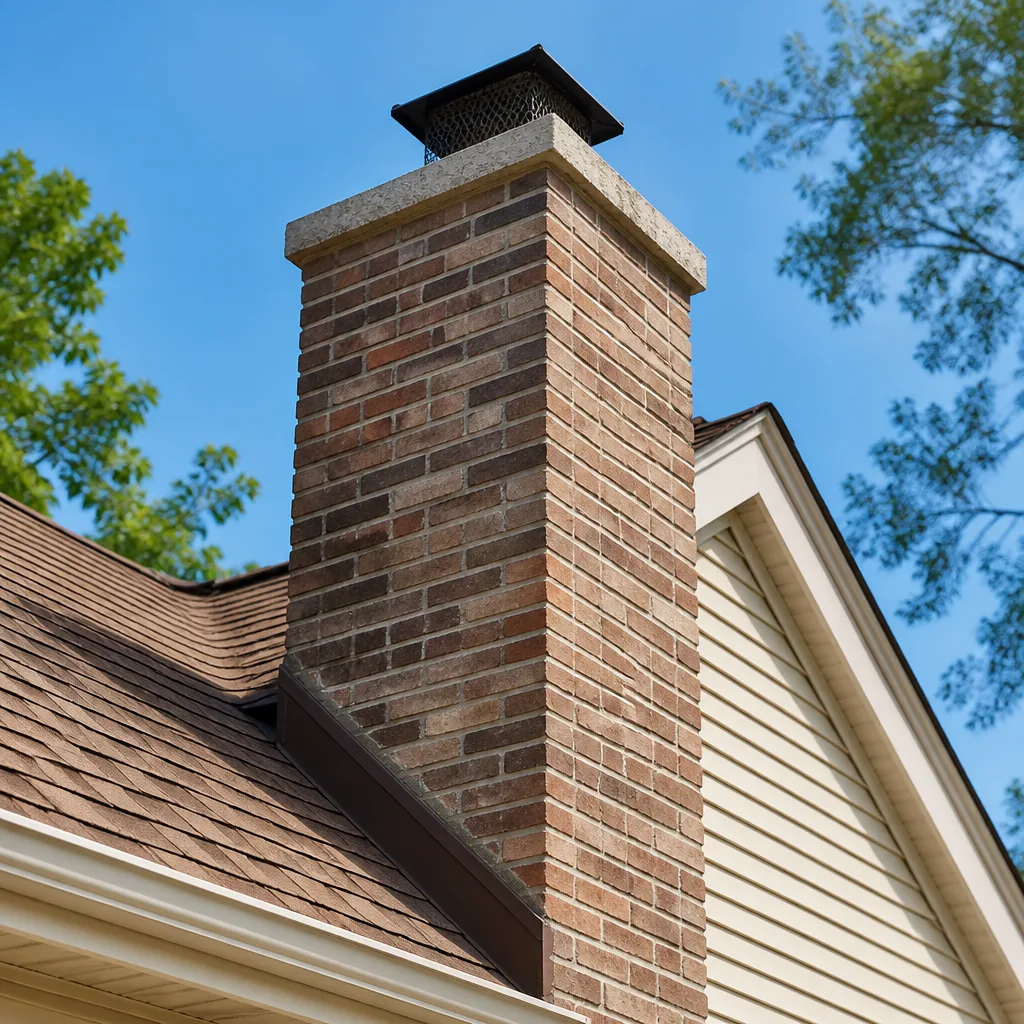 Masonry repair
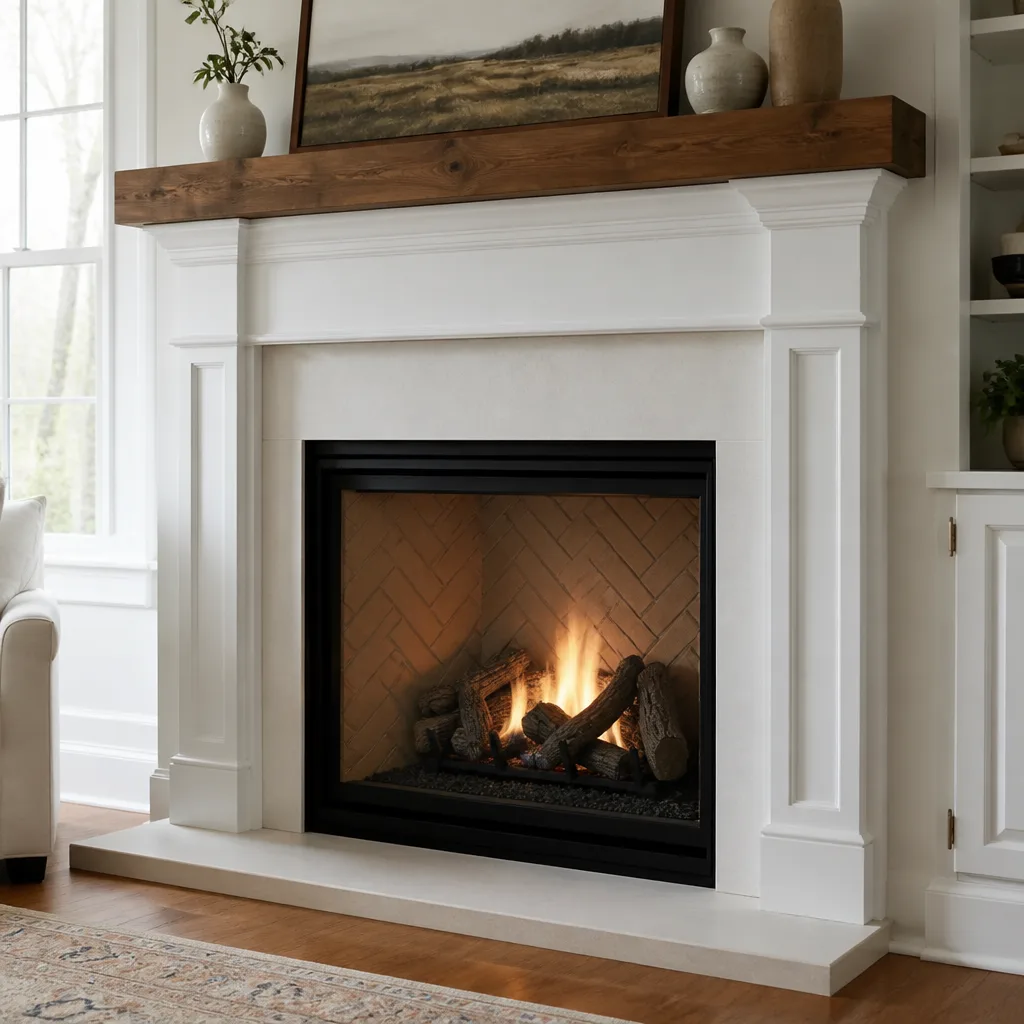 Gas fireplace service
Level 1 sweep and inspection to the NFPA 211 annual standard - flue, crown, cap, and flashing checked and photographed
Chimney sweep logs do not sweep chimneys. They loosen some creosote - which then falls where a brush and vacuum still have to collect it.
Seasonal Chimney Cleaning Care for Milwaukee: Year-Round Homeowner’s Guide
Most homeowners in Milwaukee treat chimney care like a single annual event: sweep it in fall, forget it until next year. That habit misses something important. The worst month for chimney moisture damage in Milwaukee isn’t January. It’s June, when warming flue temperatures meet humid air and the sulfuric acid in residual creosote condenses directly onto clay liner tiles. Chimney care here isn’t a use-season task. It’s a four-season job, and each season creates a different kind of failure. This guide breaks down what happens to your chimney system in each Milwaukee season, what to check, and how to build a maintenance schedule around the city’s actual frost dates and heating patterns rather than generic advice.
Quick Answer
Seasonal chimney care in Milwaukee means treating all four seasons as active maintenance windows, not just the heating season. A post-season sweep in spring catches winter damage, summer inspection prevents the freeze-thaw failure that appears in December, the September window is your best shot at pre-season service without a backlog, and winter calls for safe monitoring between professional visits. A sweep and inspection scheduled at the right season catches problems before they turn into expensive repairs.
Styles & brands we work with
- Sweep & inspection
- Caps & crowns
- Flue relining
- Masonry repair
- Gas fireplace service
Table of Contents
- Milwaukee’s Four-Season Chimney Calendar
- Spring: The Post-Season Sweep That Catches Winter Damage
- Summer: Cap and Crown Inspection in July Prevents December Freeze-Thaw Damage
- Fall: The September Window Before the Backlog Hits
- Winter: Safe Monitoring Between Professional Visits
- How to Build Your Four-Season Maintenance Schedule
- Common Mistakes to Avoid
- When to Call a Professional
Milwaukee’s Four-Season Chimney Calendar
Chimney care advice written for a generic audience treats “use season” and “off season” as two distinct periods. In Milwaukee, that model doesn’t hold up. The city’s climate creates four distinct failure mechanisms, and each one peaks in a different season.
| Season | Primary Chimney Risk | Recommended Action |
|---|---|---|
| Spring (March – May) | Damage from winter use shows up; lingering creosote | Post-season sweep |
| Summer (June – August) | Moisture intrusion; cap and crown deterioration | Cap and crown inspection; moisture assessment |
| Fall (September – November) | Uninspected flue before lighting; service backlog | Pre-season sweep and inspection |
| Winter (December – February) | Active use; creosote accumulation; monitoring gaps | Safe interim monitoring; mid-season check if warranted |
Milwaukee’s heating degree days climb steeply from October through April, which means the furnace, boiler, or fireplace is working hard for roughly seven months. That’s a long stretch of active use. The off-months aren’t idle. They’re when the damage created during heating season reveals itself, and when the preventive work that protects the next season gets done.
Here’s the key insight: the homeowner who only books a sweep in October is working against a backlog. The homeowner who sweeps in spring and inspects in summer catches the same problems earlier, when they’re cheaper to fix, and enters fall with a clean, inspected system ready for the season. That’s the difference between reactive and scheduled chimney care.
Spring: The Post-Season Sweep That Catches Winter Damage
When heating season ends in Milwaukee, usually by late April, the chimney system holds the accumulated creosote, soot, and residue of months of active use. A spring sweep clears that out, but the real value of a post-season appointment isn’t the cleaning itself. It’s what the sweep reveals.
Winter use puts stress on every component: the firebox, the damper, the flue liner, the mortar joints. A spring sweep and inspection sees the condition of the flue after its hardest period of use. Damage that developed quietly during winter, like a cracked liner tile, deteriorated mortar, or a failing damper seal, is visible now, in May, rather than being discovered in October when you’re trying to light the first fire of the season.
Spring is also the season when homeowners often delay chimney work because “we’re done burning for a while.” That logic is backwards. The post-season window is when the system is empty, the weather is workable, and repairs have months to settle before the next heating season. If a liner resurfacing with HeatShield is needed, spring scheduling gives the application time to cure properly and any follow-up adjustment a chance to happen before fall.
What a Post-Season Sweep Covers
- Flue cleaning: Removal of creosote and soot from the flue, with attention to the type of creosote present. Glazed, tar-like creosote from a poorly drafting fire is harder to remove and more of a hazard than the flaky variety.
- Visual flue inspection: The technician checks liner tiles, mortar joints, and the smoke chamber for cracks or deterioration that winter use may have caused.
- Damper check: The damper is tested for proper operation and seal. A damper that won’t close fully leaks heat out year-round.
- Firebox assessment: Brickwork, mortar, and firebox panels are checked for cracking or spalling.
A sweep in spring also means the technician can see the system after it’s been used and then cooled down. It’s the clearest read on what winter did.
Summer: Cap and Crown Inspection in July Prevents December Freeze-Thaw Damage
July in Milwaukee is humid. That moisture is the enemy of your chimney, and summer is when it does the most damage at the top of the system. The chimney cap and crown are the two components that keep water out. When they’re compromised, moisture gets into the masonry, and the freeze-thaw cycle that follows in winter turns that moisture into a destructive force.
Freeze-thaw damage works like this: water enters a crack or porous section of masonry, freezes and expands, then thaws. Repeat over a Milwaukee winter, and small cracks become large ones. The damage shows up in December and January, but the conditions that caused it existed in July. That’s why cap and crown inspection is a summer task, not a fall one.
What Summer Inspection Focuses On
- Chimney cap integrity: A cap that’s rusted, loose, or missing does two things: it lets water in and it lets animals in. A properly fitted cap from a brand like Famco or Gelco handles both problems and is installed to manufacturer spec.
- Crown condition: The crown is the concrete or masonry surface at the top of the chimney that sheds water away from the flue. Cracks, spalling, or a crown that’s pulled away from the flue are all signs water is getting in.
- Flashing: The seal between the chimney and the roof is a common entry point for water. Summer inspection is the time to check it before the fall rains begin.
- Masonry condition: Summer is the best time to spot the early signs of freeze-thaw damage, spalling brick or crumbling mortar, because the season’s dry weather makes the masonry observable in stable conditions.
Summer is also when the physics of moisture gets interesting in Milwaukee. Residual creosote in the flue, left over from winter, absorbs moisture in humid air. As flue temperatures rise in the warm months, sulfuric acid can condense from that residual creosote directly onto clay liner tiles. Over time, that acid attacks the surface of the tiles. A spring sweep removes the residual creosote so it can’t become a summer acid problem. If you sweep in spring, you’re reducing summer liner degradation. If you don’t, you’re leaving the fuel for it in place.
That’s the argument for pairing a spring sweep with a summer inspection: one appointment removes the creosote, the other protects the masonry. Together they cover the two biggest warm-season threats.
Fall: The September Window Before the Backlog Hits
Most chimney appointments happen in October. That’s a problem. When the first cold snap hits and homeowners realize they haven’t scheduled a sweep, the backlog builds quickly, and people end up lighting fires in uninspected flues because they couldn’t get an appointment in time.
The better window is September. Booking a pre-season sweep and inspection in September means the system is clean and verified before the first fire of the season. It also means the appointment happens before the rush, which gives room to address anything found during inspection. If the sweep reveals a liner issue, there’s still time to fix it before fall turns cold.
What a Pre-Season Appointment Includes
- Full sweep of the flue: Removing any creosote accumulated since the last cleaning.
- Level of inspection appropriate to the system: A visual inspection of the accessible portions of the chimney, checking for damage, deterioration, or obstruction.
- Draft test: Confirming the chimney is drafting properly before the first fire of the season.
- Cap and crown re-check: Even if you inspected in summer, fall is the time to confirm nothing has changed before the weather turns.
- Repair identification: If the inspection finds a needed repair, it’s identified in September so it can be handled before the heating season begins.
The September window also matters because fall is the season when chimney systems are put back into service after months of inactivity. A chimney that sat unused all summer can develop a bird nest, a debris obstruction, or a draft problem. The pre-season inspection catches these before you discover them on the first cold night, when you’re trying to light a fire and the smoke won’t go up.
If you’re in an older home, fall inspection carries extra weight. Older chimneys were built to older standards, and deferred maintenance from previous owners sometimes doesn’t show until the system is in active use. A pre-season inspection that documents the condition of the flue and the masonry gives you a clear picture of what the system needs.
Winter: Safe Monitoring Between Professional Visits
Once heating season starts in Milwaukee, typically by late October or early November, the chimney is in active use. This is the season when monitoring matters most, and when the things a homeowner can safely check are worth knowing. What follows isn’t a substitute for professional service. It’s what to watch between visits.
What Homeowners Can Safely Check in Winter
- Smoke behavior: Watch how smoke behaves when you first light a fire. Smoke that rolls back into the room instead of drafting up the flue signals a draft problem that needs professional attention. Don’t try to diagnose or fix draft issues yourself.
- Creosote buildup: Check the firebox and the lower flue for visible creosote accumulation. Flaky, soot-like creosote is normal between sweeps. Glazed, tar-like creosote is not, and it means the chimney needs attention before more burning happens.
- Damper operation: Test the damper each time you light a fire. It should open and close smoothly. A damper that sticks or won’t fully seal needs repair.
- Odors: A strong, persistent smell from the fireplace, especially in milder weather, can indicate creosote or moisture issues. Note when the odor occurs and report it at your next service appointment.
- Visible damage: From inside the home, look for new cracks in the firebox, loose mortar, or white staining on exterior masonry. White staining (efflorescence) is a sign of moisture moving through the masonry.
What homeowners should never do in winter is attempt to clean the flue themselves, inspect the interior of the chimney with improvised tools, or ignore signs of a chimney fire. A chimney fire can be quiet, sounding like distant rumbling or a low roar, and it can go undetected. If you suspect one, treat it as a serious event and get professional eyes on the system.
If winter use is heavy, a mid-season check makes sense. Wood-burning appliances that run daily can accumulate creosote faster than a fireplace used a few times a week. The rule of thumb is to have the chimney swept when creosote reaches a measurable thickness, and a mid-winter appointment is worth it if you’re burning steadily through a cold Milwaukee January and February.
How to Build Your Four-Season Maintenance Schedule
Generic advice says “sweep once a year.” Milwaukee’s climate, with its long heating season and humid summers, calls for a more structured approach. Here’s a schedule built around the city’s actual patterns.
| Season | Task | Why It Matters in Milwaukee |
|---|---|---|
| Spring (April – May) | Post-season sweep and inspection | Clears winter creosote before humid summer; reveals winter damage early |
| Summer (June – July) | Cap and crown inspection | Prevents moisture intrusion that becomes freeze-thaw damage in winter |
| Early Fall (September) | Pre-season sweep and inspection | Beats the October backlog; enters heating season with a verified flue |
| Winter (December – February) | Monitoring and mid-season check if warranted | Catches heavy creosote accumulation during peak use |
That’s a four-touchpoint calendar, and it maps to Milwaukee’s actual conditions. The city’s frost dates typically run from early October through late April, which defines the heating season. The humid summers and warm early-fall temperatures define when moisture and acid-condensation risks peak. Building the schedule around those facts is more reliable than picking a single month and hoping it works.
Adapting the Schedule to Your System
- Wood-burning fireplace, occasional use: Spring sweep and fall inspection covers you. A mid-season check is usually unnecessary.
- Wood stove or insert, frequent use: Add a mid-winter check. Frequent use accumulates creosote faster.
- Older home with deferred maintenance: Start with a thorough inspection before the first heating season, then move to the seasonal schedule once the systems are baselined.
- Gas or oil appliance: The system still needs annual inspection, and the summer window is a good time to confirm venting and draft.
The single most common schedule failure is the fall-only approach. It leaves the spring damage unaddressed, it misses the summer moisture risk, and it puts the homeowner into the October backlog. Every part of the four-season calendar exists because Milwaukee’s climate makes it relevant.
Common Mistakes to Avoid
- Treating the chimney as a one-appointment system. A single annual sweep leaves three seasons of failure mechanisms unaddressed. Spring moisture, summer condensation, and winter accumulation each need their own attention window.
- Waiting until October to schedule. In Milwaukee, October is when the backlog hits. Booking in September gets you the appointment you need with time to address anything the inspection finds.
- Assuming a summer inspection is unnecessary because the chimney isn’t being used. Summer is when the cap and crown do their most important work, and when moisture intrusion sets up the freeze-thaw damage that appears in December.
- Lighting a fire without a pre-season inspection. A flue that sat unused through summer can hold a bird nest, debris, or deterioration. The first fire of the season is not the time to discover it.
- Ignoring glazed creosote. Tar-like, glazed creosote is a fire hazard and it doesn’t clean up with a standard brush. It needs professional removal.
- Treating a damaged liner as a “wait and see” problem. A cracked liner tile can be assessed and often restored with HeatShield resurfacing, but delaying means the damage can spread and the repair cost can grow.
- Checking the chimney only from the ground. A visual from the hearth or the yard doesn’t reveal the condition of the flue interior, the smoke chamber, or the crown. Those need a trained eye and the right access.
When to Call a Professional
Some chimney situations need a professional now, not at the next scheduled appointment. Call if you see glazed creosote in the firebox, if the damper won’t open or seal, if there’s new cracking in the firebox or visible white staining on the exterior masonry, or if you’ve noticed smoke rolling back into the room instead of drafting up. Call if you suspect a chimney fire, even a quiet one. And call if you’ve moved into a Milwaukee home and don’t know when the chimney was last serviced.
Milwaukee Chimney Sweep handles sweep, inspection, and repair as a single scope, so a call covers the whole system. We can work with your insurer if a repair turns out to be insurance-related. For anyone in Milwaukee, chimney care starts with a free estimate, and we can be reached at (855) 935-4194. We answer 24/7. Fast dispatch from 7am to 7pm, Sunday through Friday.
Frequently Asked Questions
For a wood-burning fireplace used regularly, an annual sweep is the standard, but Milwaukee’s climate makes a spring and fall pattern more effective than a single annual visit. Spring sweeps remove winter creosote before humid summer; fall sweeps verify the flue before heating season. Call (855) 935-4194 for an exact quote – estimates are free.
June combines rising flue temperatures with high humidity, which condenses sulfuric acid from residual creosote directly onto clay liner tiles. A spring sweep removes the creosote before it can become a summer acid problem. If your spring sweep hasn’t happened, it’s worth booking before the humidity peaks. Call (855) 935-4194 for a free estimate.
A cracked or deteriorated liner can often be restored rather than replaced. HeatShield ceramic resurfacing is designed for exactly that: restoring a damaged flue without a full relining. A professional inspection determines whether resurfacing or full replacement with a system like DuraFlex or Olympia Chimney is appropriate. Call (855) 935-4194 for an assessment – estimates are free.
Skipping maintenance allows creosote to accumulate, which raises the risk of a chimney fire, and lets moisture damage progress, which can mean larger repairs later. In Milwaukee, skipping the summer cap and crown inspection also opens the door to freeze-thaw damage. A sweep and inspection catches these issues before they become expensive. Call (855) 935-4194 for a free estimate.
It’s safer to have the system inspected before the heating season than to use it uninspected. If you’re already into winter, watch for smoke rolling back, glazed creosote, or a damper that won’t close, and get professional eyes on the system. Call (855) 935-4194 to schedule – estimates are free.
A cap that’s rusted, loose, or missing needs replacement, and a properly fitted cap from a brand like Famco or Gelco is installed to manufacturer spec to keep water and animals out. Summer is the best time to check, before freeze-thaw season. Call (855) 935-4194 for an estimate – estimates are free.
The Bottom Line
Milwaukee’s chimney calendar isn’t divided into use season and off season. It’s four seasons of distinct risk. Spring sweeps catch what winter use created. Summer cap and crown inspection prevents the freeze-thaw damage that shows up in December. September is the window that beats the fall backlog. Winter calls for monitoring between professional visits. Build the schedule around the city’s frost dates and heating patterns, pair a spring sweep with a summer inspection, and book fall service in September. The homeowners who avoid expensive repairs aren’t the ones who remember to call once a year. They’re the ones who treat every season as an active maintenance window. Milwaukee Chimney Sweep handles sweep, inspection, and repair as one scope, and we name what we find and fix it with professional-grade materials, including the right liner systems and caps for the job. Call (855) 935-4194 for a free estimate.
Written by the team at Milwaukee Chimney Sweep.
See the difference
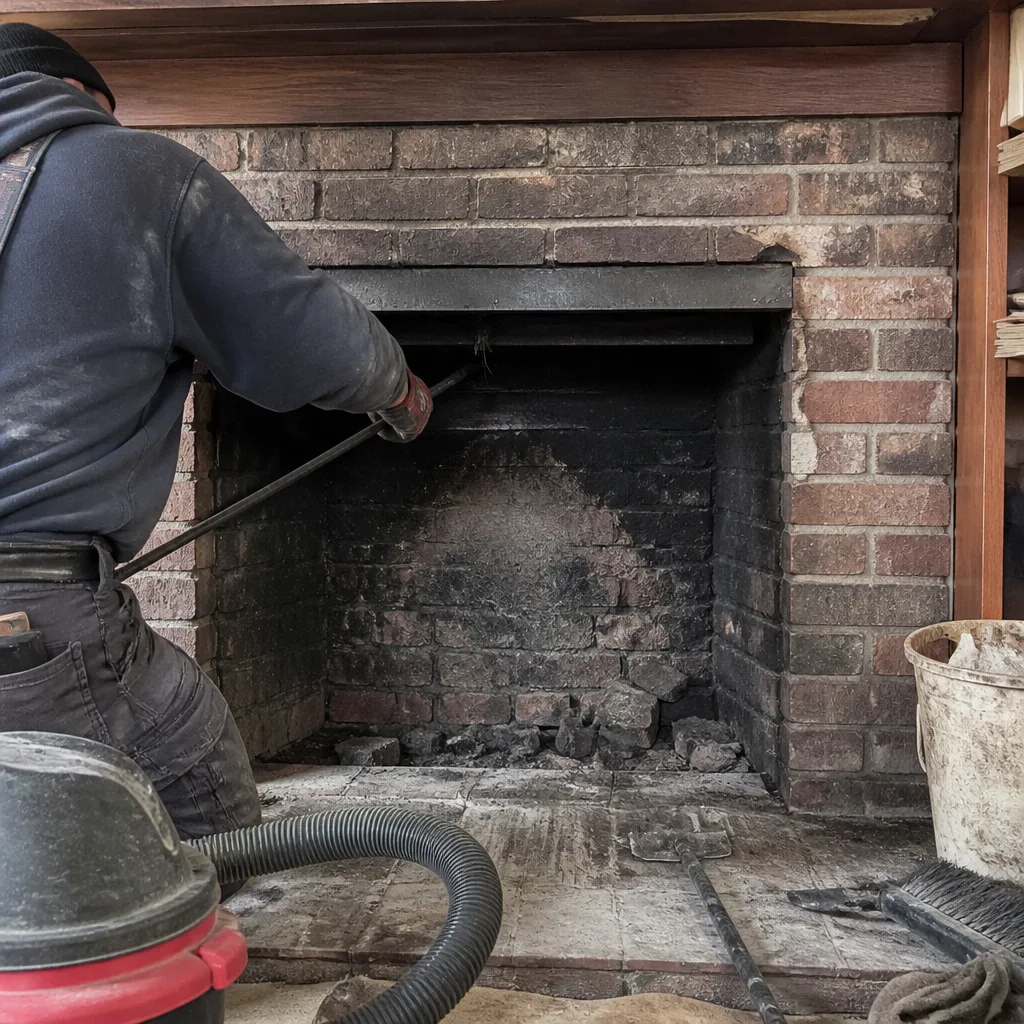 Before
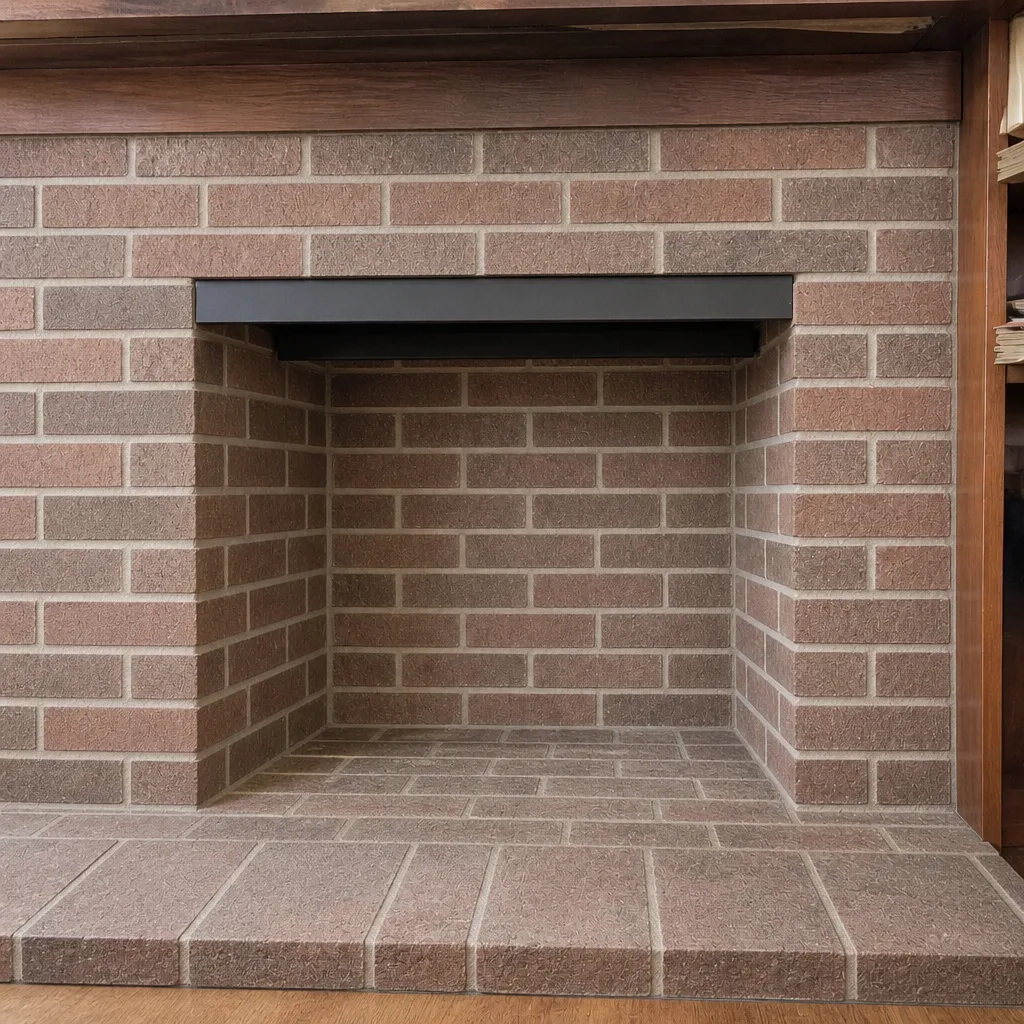 After
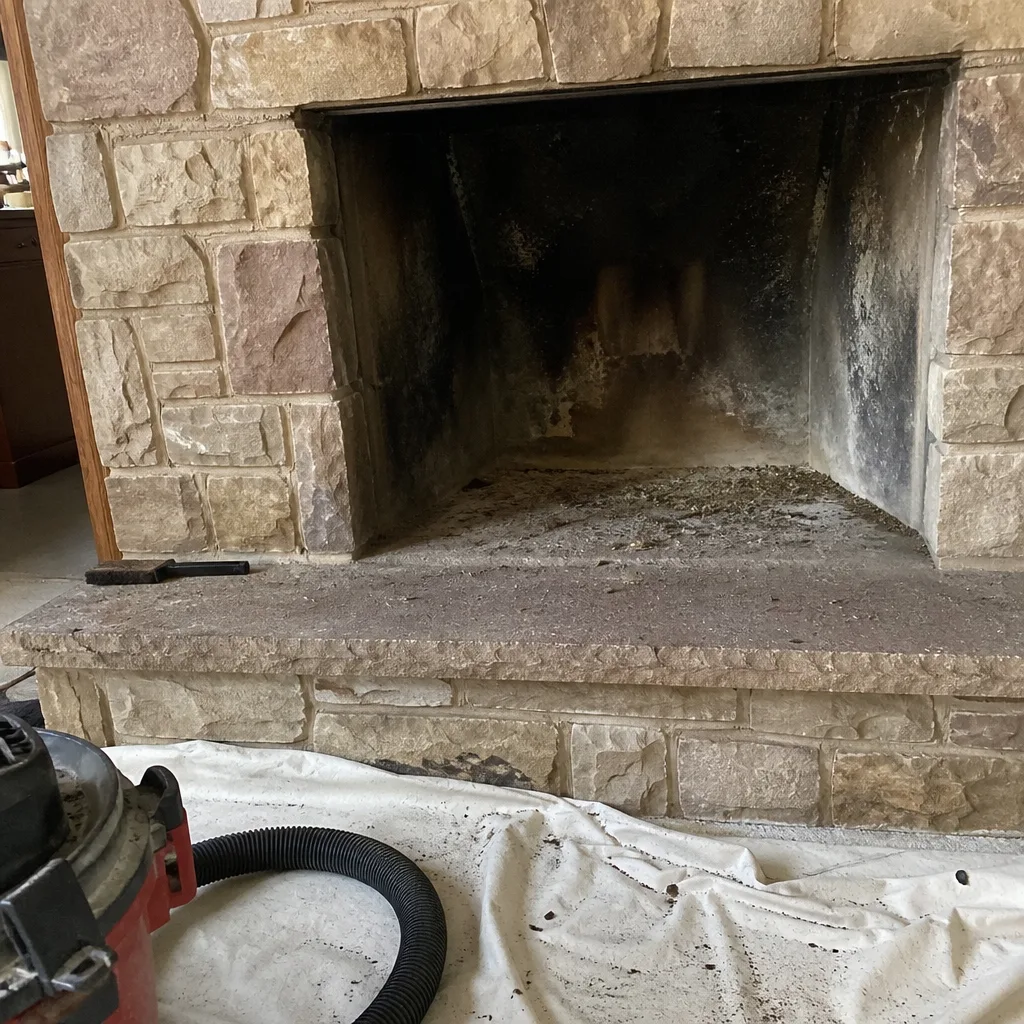 Before
 After
 Before
 After