
Last updated November 15, 2026
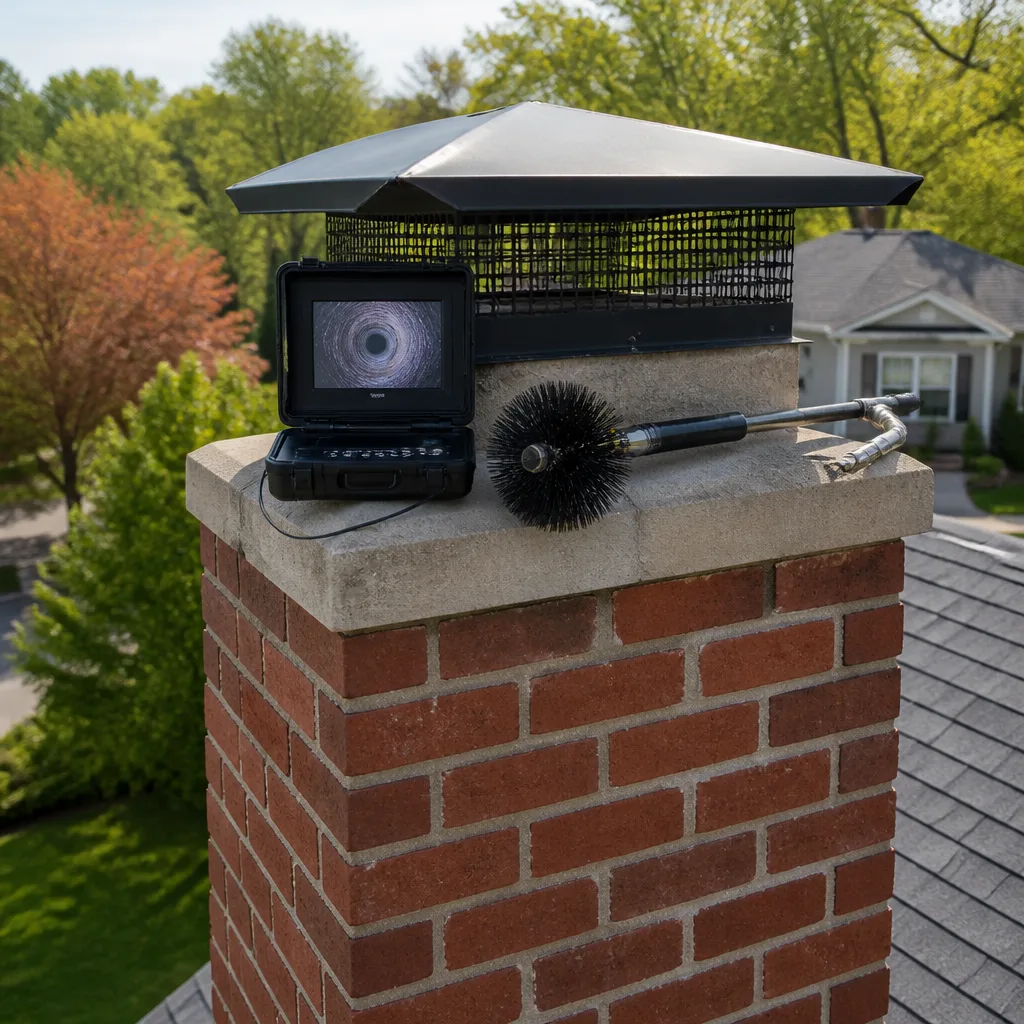 Sweep & inspection
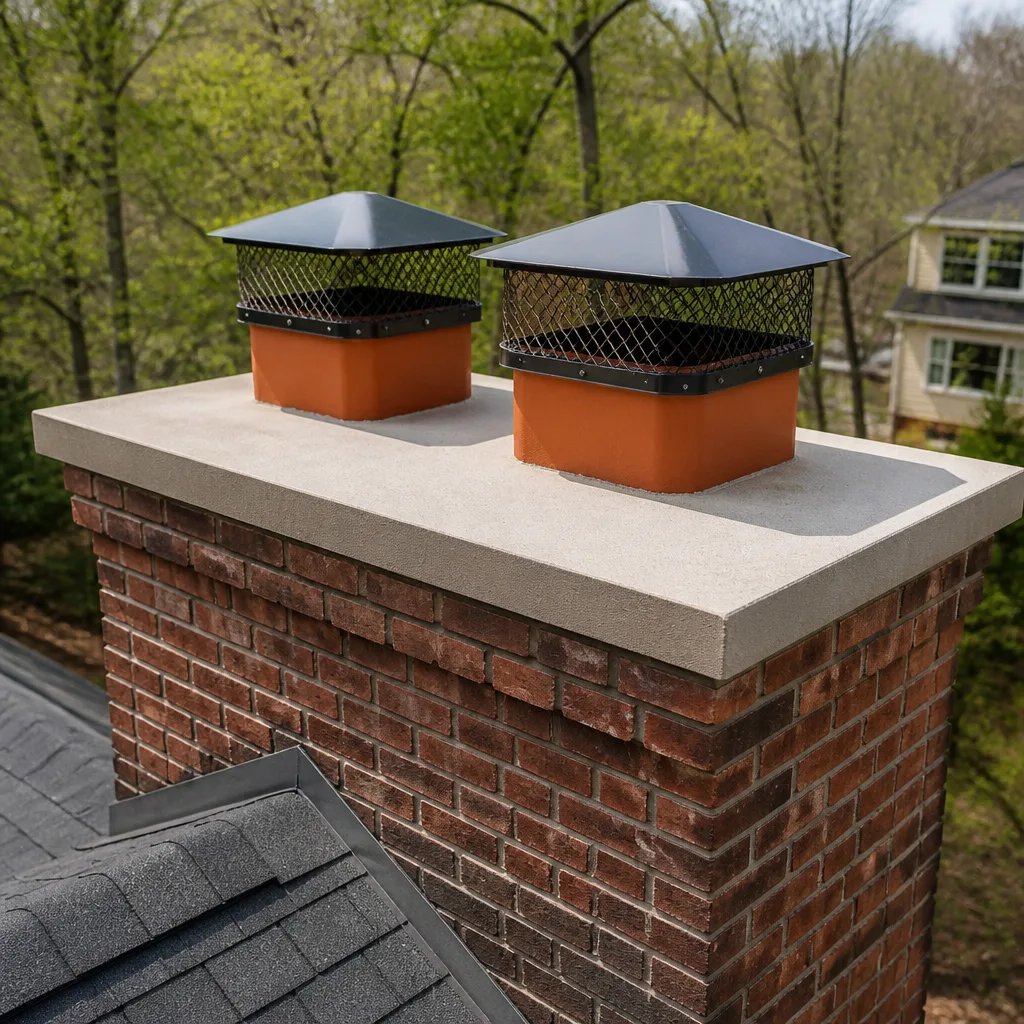 Caps & crowns
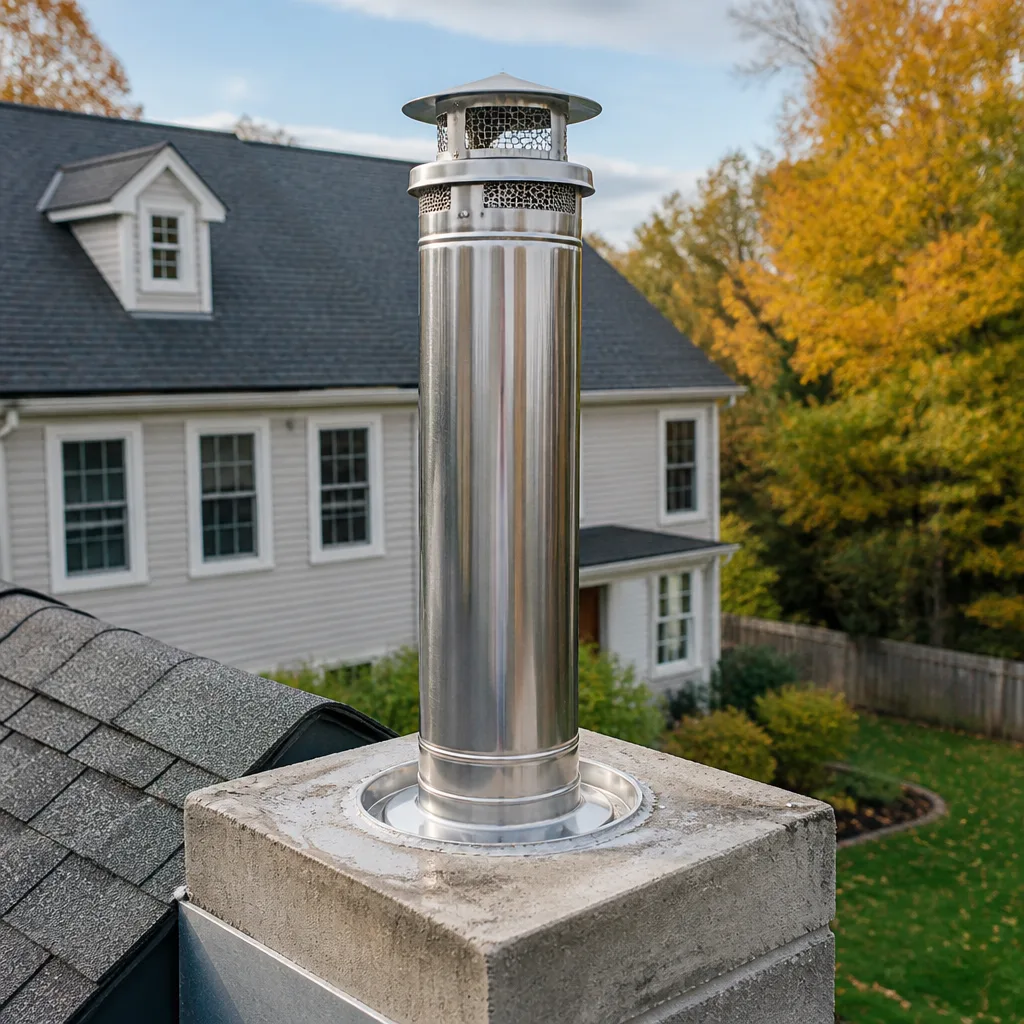 Flue relining
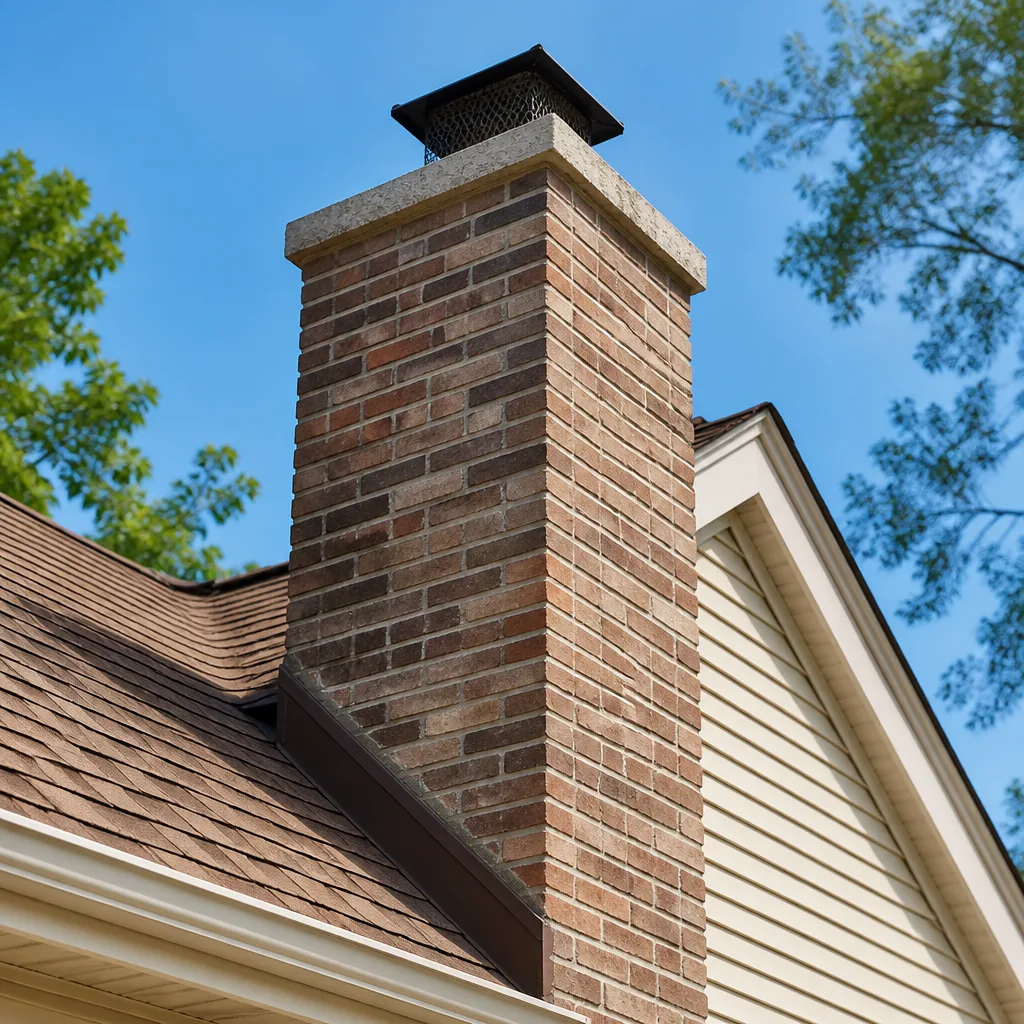 Masonry repair
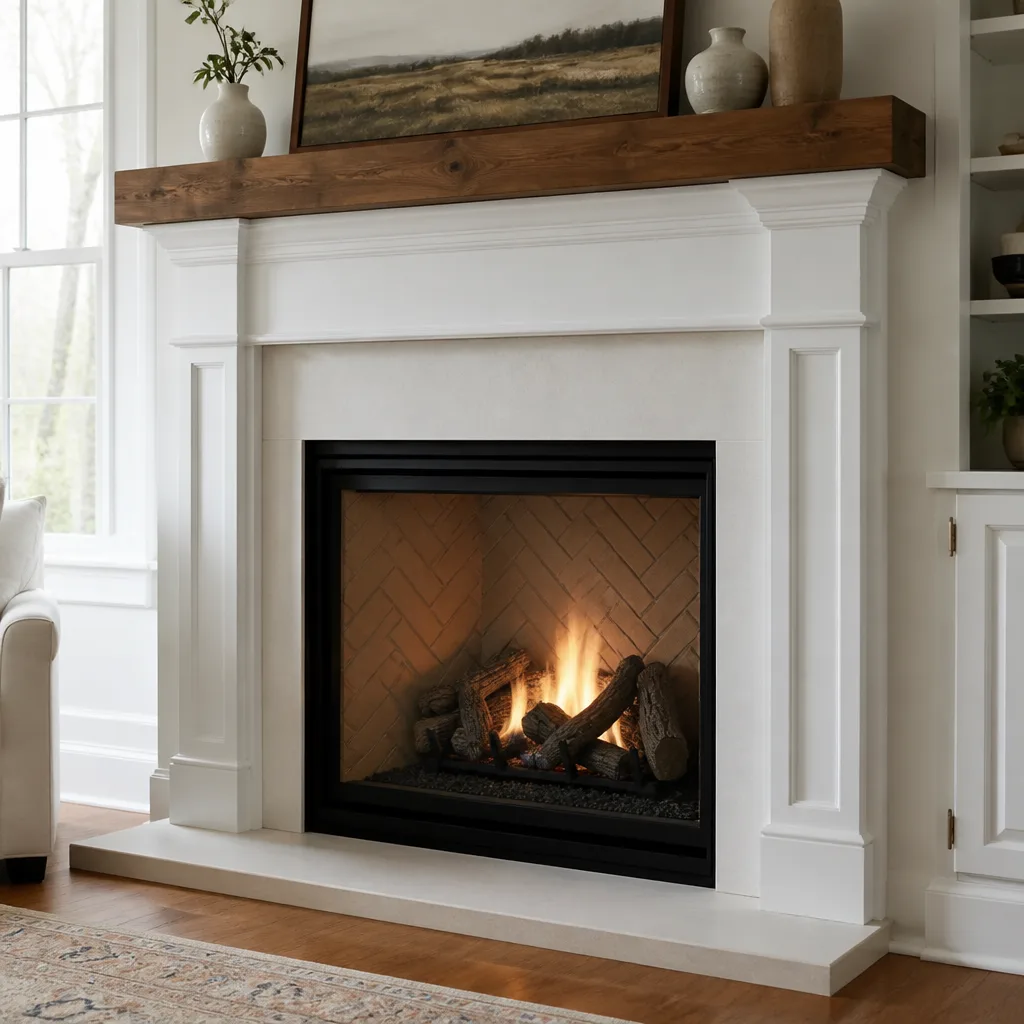 Gas fireplace service
Level 1 sweep and inspection to the NFPA 211 annual standard - flue, crown, cap, and flashing checked and photographed
Chimney sweep logs do not sweep chimneys. They loosen some creosote - which then falls where a brush and vacuum still have to collect it.
How to Hire a Chimney Cleaning Contractor in Milwaukee: A Step-by-Step Guide
There’s no licensing requirement for chimney sweeps in Wisconsin. That means the cheapest bid you find online and a certified master sweep are both technically legal to hire, and the gap between them can be the difference between a clean flue and a house fire. Most homeowners shop this decision the way they shop a carpet cleaning: by price and availability. We think that’s backwards. The real question isn’t who charges the least to run a brush through your flue. It’s who can look at what’s inside that flue and tell you, credibly, whether it’s safe to burn again. In Milwaukee, where winters are long and a lot of housing stock predates modern chimney standards, that distinction matters more than it does almost anywhere else. This guide walks you through it step by step.
Quick Answer
To hire a chimney cleaning contractor in Milwaukee, verify certification (CSIA or NFI), confirm the contractor can both inspect and repair, ask for a written inspection report with photos, get the scope and repair pricing in writing before work begins, and watch for storm chasers and bait-and-switch pricing. A sweep without diagnostic credibility is just a cleaning service, so hire for the ability to find and fix problems, not just the ability to sweep.
Styles & brands we work with
- Sweep & inspection
- Caps & crowns
- Flue relining
- Masonry repair
- Gas fireplace service
Table of Contents
- Why Hiring a Chimney Contractor in Milwaukee Is a Different Decision
- What CSIA and NFI Certifications Actually Mean
- How to Verify a Chimney Contractor’s Credentials
- Five Interview Questions That Reveal Real Diagnostic Skill
- What a Legitimate Inspection Report Contains
- How to Structure the Job Scope in Writing
- Red Flags Specific to the Milwaukee Market
- Questions to Ask Before You Book
Why Hiring a Chimney Contractor in Milwaukee Is a Different Decision
Milwaukee’s housing stock is old, and its winters are hard on masonry. Freeze-thaw cycles work on brick and mortar in a way that homeowners in milder climates never see: water gets into a hairline crack, freezes, expands, and the crack widens. Do that for a few decades and you have a chimney that looks fine from the street and isn’t. Add to that the fact that many Milwaukee homes were built before modern flue standards, and you have a market where a professional sweep regularly finds problems a homeowner had no idea existed.
That’s exactly why the hiring decision here is about more than cleaning. A chimney system has three phases of health: sweeping, inspection, and repair. A contractor who can only do the first one hands you a report of problems and then leaves, and you’re left coordinating a second contractor to fix them. In our experience, that’s where jobs fall apart. The company that finds the problem should be the company that fixes it, with professional-grade materials and accountability for the diagnosis.
We’re Milwaukee Chimney Sweep, and we’ve built our service around all three phases for exactly this reason. When we sweep, we inspect, and when we find a failed liner or a cracked crown, we can repair it rather than referring you elsewhere. That single-source model is what this guide is really about: how to find a contractor who can do all three phases, not just the cheapest one.
The other piece of local context is code. A clean chimney is a code-compliant chimney, and modern code requirements around flue liners and clearances are not optional. A contractor who doesn’t know what a compliant installation looks like can’t tell you whether yours is one. The hiring guide below is built to help you find someone who does.
What CSIA and NFI Certifications Actually Mean
Two certifications come up repeatedly when you research chimney contractors in Milwaukee: CSIA (Chimney Safety Institute of America) and NFI (National Fireplace Institute). They sound similar in a marketing pitch, but they test different things, and understanding the difference tells you a lot about what a contractor can actually do.
CSIA certification is the sweep-and-inspection credential. It requires passing a written exam on chimney and venting systems, combustion safety, and inspection standards, and it requires continuing education to maintain. A CSIA-certified sweep has demonstrated knowledge of how a chimney system works as a system, not just how to clean one. When a CSIA-certified technician inspects a Milwaukee chimney, they’re evaluating the flue, the liner, the crown, the cap, and the clearances against a recognized standard.
NFI certification is specifically about appliance installation and venting. It tests a technician’s knowledge of how wood stoves, gas appliances, and other fuel-burning equipment connect to a chimney and vent correctly. An NFI-certified technician understands the appliance side, which matters if you’ve got a wood stove insert or a gas appliance vented through the chimney.
The distinction matters because a sweep-only company may carry neither. Certification is voluntary in Wisconsin. It signals a contractor invested in knowledge beyond the minimum. If you’re hiring for inspection and repair credibility, certification is your first filter.
How to Verify a Chimney Contractor’s Credentials
Asking “are you certified?” gets you a yes. That’s not verification. Verification means checking, and it doesn’t take long. Here’s the sequence:
- Get the certification name and number. Ask specifically which certification the technician who will be in your home holds, not just the company. CSIA and NFI both maintain public directories; you can look up a name and confirm the certification is current, not lapsed.
- Confirm insurance in writing. Ask for a certificate of insurance before booking. A contractor with a strong local reputation will provide it without hesitation. If you can’t get a certificate, that’s your answer.
- Ask whether inspection and repair are done in-house. A company that outsources repair after the inspection is a booking agent, not a chimney specialist. Confirm the same crew that inspects also repairs.
- Ask what equipment arrives on site. A camera inspection, a chimney cap check, and a written report are baseline for a legitimate inspection. A company that brings only a brush is a cleaning service.
- Check the written estimate process. Ask whether the estimate is written and flat-priced before booking. A quote that gets adjusted after the technician is on your roof is a bait-and-switch pattern.
That’s the whole verification process. It takes maybe fifteen minutes and a couple of phone calls. Compare it to what an uncertified, uninsured contractor might leave you with if a repair goes wrong, and it’s a very easy trade.
Five Interview Questions That Reveal Real Diagnostic Skill
Most hiring guides tell you to look for certifications and stop there. Certifications prove someone passed an exam; they don’t prove someone can diagnose what they find. The five questions below are designed to separate a sweep who can report a problem from a technician who can explain and fix it. Ask them before you book.
- “If you find a liner failure, how do you determine whether it needs a full reline or can be resurfaced?” A technician who can answer this knows that a failed liner doesn’t always mean a full replacement. HeatShield ceramic resurfacing is a real alternative for damaged masonry flues, and it can save significant cost. If the answer is “we always reline,” you’ve learned something.
- “What does your inspection report include?” You want to hear camera photos, written findings, and a condition assessment. “Passed inspection” with no documentation is not an inspection.
- “If you finding something during the sweep, how do you price the repair?” You want to hear: written estimate before work begins, not a verbal quote on the spot. The written estimate sets the final price.
- “What materials do you stock for cap and liner work?” A contractor who stocks professional lines like Gelco, Famco, Olympia Chimney, or DuraFlex flexible liners is set up to complete repair work on the same visit, not come back weeks later.
- “What do you do if the crown and cap are damaged?” Cap and cover work is part of weatherproofing and animal exclusion. A contractor who handles it during the sweep or inspection visit has a fuller scope than a cleaning-only service.
The pattern in these questions is the same: you’re probing for whether the contractor can go from finding to fixing. That’s the core competency gap in this trade, and the questions expose it quickly.
What a Legitimate Inspection Report Contains
An inspection report is the document that tells you what condition your chimney is in and what, if anything, needs to happen next. A verbal “you’re all set” is not a report. Neither is a vague “everything looked okay” scribbled on an invoice. A legitimate report is specific, and it’s yours to keep.
Here’s what a proper report contains:
- Photos or video of the flue interior. A camera inspection shows the actual condition of the liner, and you should see the images, not just hear the description.
- A condition assessment of the liner. Whether it’s intact, where it’s failing, and whether the failure is repairable by resurfacing or requires a full reline.
- Crown and cap condition. The crown is the concrete top of the chimney, and cracks in it let water in. The cap excludes animals and rain. Both should be assessed and photographed.
- Clearance and venting observations. Whether the appliance is venting correctly and whether clearances are compliant.
- A written recommendation. Not just “needs repair” but what repair and why.
- The cost of any recommended repair. Priced before work begins, in writing.
In our experience, the report is also a safety document. Problems identified there are the difference between a flue that’s safe to use and one that isn’t. A contractor who can’t or won’t produce a documented report is asking you to take their word for it. Ask to see the report format before booking. That single request will tell you a lot about how a Milwaukee contractor operates.
How to Structure the Job Scope in Writing
This is the step most homeowners skip, and it’s where the money goes wrong. A sweep and an inspection are often billed as one visit, but repair work discovered during that visit is a separate job. If the scope isn’t written before the technician starts, you’re negotiating repair cost on your roof with a camera in your flue and no leverage.
Structure the scope in writing before the visit. It should cover:
- The sweep itself, flat-priced. You should get a flat price for the sweep agreed before booking, not an open-ended hourly arrangement.
- The inspection, with report. Confirm the camera inspection and written report are included, not an add-on.
- How repair work will be priced. State that any repair found during the sweep will be quoted in writing before work begins, with the written estimate setting the final price.
- What “same visit” covers. Cap and cover work, and minor repairs the contractor can complete without a return trip.
- Payment and authorization. No repair work without your authorization of the written estimate.
We write it this way because there’s a reasonable hesitation in every homeowner’s mind when a chimney contractor says “you need a new liner” or “you need masonry work.” You have no way to verify it. The honest answer is that nothing should be recommended without camera evidence you can see for yourself, and the scope should say so. If a repair can safely wait, a credible contractor will tell you. Written scope protects you both.
The other benefit of written scope is that it makes the single-source model real. A contractor who stocks DuraFlex flexible liners and HeatShield materials can move from “found a problem” to “fixed it” without a second trip. A cleaning-only service can’t, and the written scope is where you catch that discrepancy.
Red Flags Specific to the Milwaukee Market
Milwaukee has its own patterns for this industry, and a few flags are worth watching for. The first is the storm chaser. After a winter event, out-of-state crews sometimes arrive offering inspection and “repair” specials. They can be legal. They don’t know your chimney, they won’t be here next year, and they have no accountability for the work. Ask any contractor how long they’ll be in the area and whether they can provide a local reference. A vague answer is your flag.
The second is bait-and-switch inspection pricing. An unusually low inspection price that flips into a four-figure repair quote after the technician is on site is a known pattern. The written scope and the written estimate both guard against this. If the actual price doesn’t match the written estimate, stop.
The third is the verbal inspection. “You passed” with no report, no photos, and no written record is a red flag in any market. It’s especially worth flagging in Milwaukee, where older housing stock and freeze-thaw damage mean a real inspection regularly turns up real problems. A contractor who always finds nothing is either not inspecting or not looking.
The fourth is a contractor who won’t discuss liner repair alternatives. If the answer to every liner problem is a full reline, ask why resurfacing isn’t an option. HeatShield resurfacing and full relining are both legitimate, and the right choice depends on the failure. A contractor who can’t explain the difference isn’t qualified to recommend either.
The fifth is missing insurance. Ask for the certificate. It’s a small ask, and it filters out the rest.
Questions to Ask Before You Book
Booking is the last decision point, and a short set of questions settles it. Ask these before the appointment is set:
- “Is the sweep flat-priced?” The price should be set by the written estimate, not adjusted after arrival.
- “Is a camera inspection and written report included?” Both should be included in the estimate, not an add-on.
- “Can you repair what you find, or do you refer it?” You want the same crew that inspects to repair.
- “What certifications does the technician hold, and how do I verify them?” The answer should be specific and checkable.
- “What’s the process if you find a repair?” Written estimate before work, and your authorization to proceed.
- “Do you stock repair materials for cap and liner work?” A contractor with professional lines on hand can complete more on the first visit.
The theme across all six is that this is a single-source job. You want one accountable contractor for sweep, inspect, and repair, and the booking questions establish whether you have that. If a contractor can’t answer these clearly before booking, they can’t answer them more clearly after.
For Milwaukee homeowners with an older home and a fireplace they intend to use, the hiring piece is the whole game. The actual sweep is straightforward. The decision is who does it, and what they can do when they find something.
Common Mistakes to Avoid
- Hiring on price alone. The cheapest sweep in Milwaukee is often a cleaning service that can’t diagnose or repair. When the sweep finds a liner failure, you’re back to searching for a second contractor.
- Skipping certification verification. Asking “are you certified?” and believing the yes costs nothing and proves nothing. Look the certification up in the CSIA or NFI directory.
- Accepting a verbal inspection. “You passed” without a written report and photos is not an inspection. In Milwaukee’s older housing stock, a real inspection regularly turns up real problems, and a written report should show what was found.
- Not getting the scope in writing before booking. Without a written scope, repair pricing discovered mid-sweep happens on the contractor’s terms, not yours.
- Hiring storm chasers after winter events. Out-of-state crews with inspection specials can be legal and still be gone by spring. Confirm local references and accountability.
- Accepting a full reline as the only option. A failed liner doesn’t always require a full replacement. HeatShield ceramic resurfacing is a real alternative, and the choice should be explained, not assumed.
- Letting repair work proceed without a written estimate. The written estimate sets the final price. Work that starts before the estimate does is a red flag.
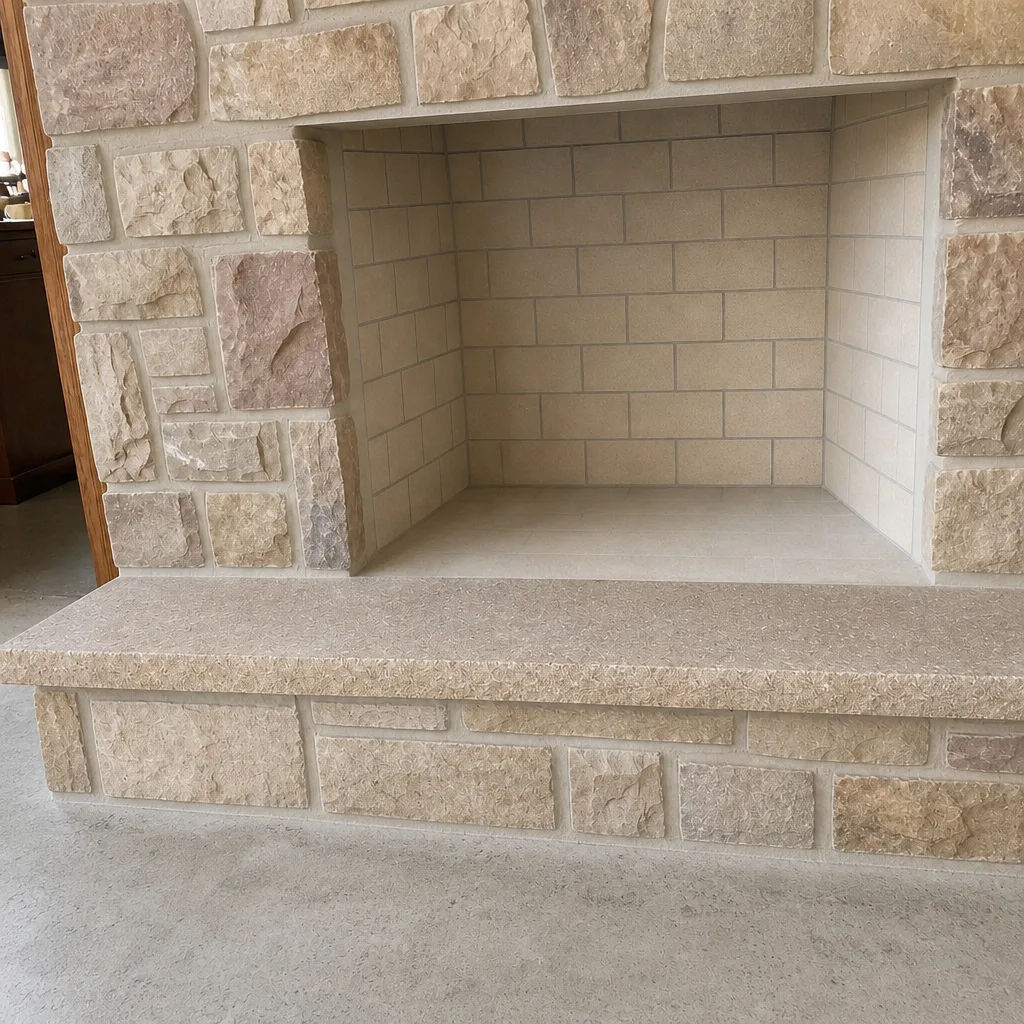
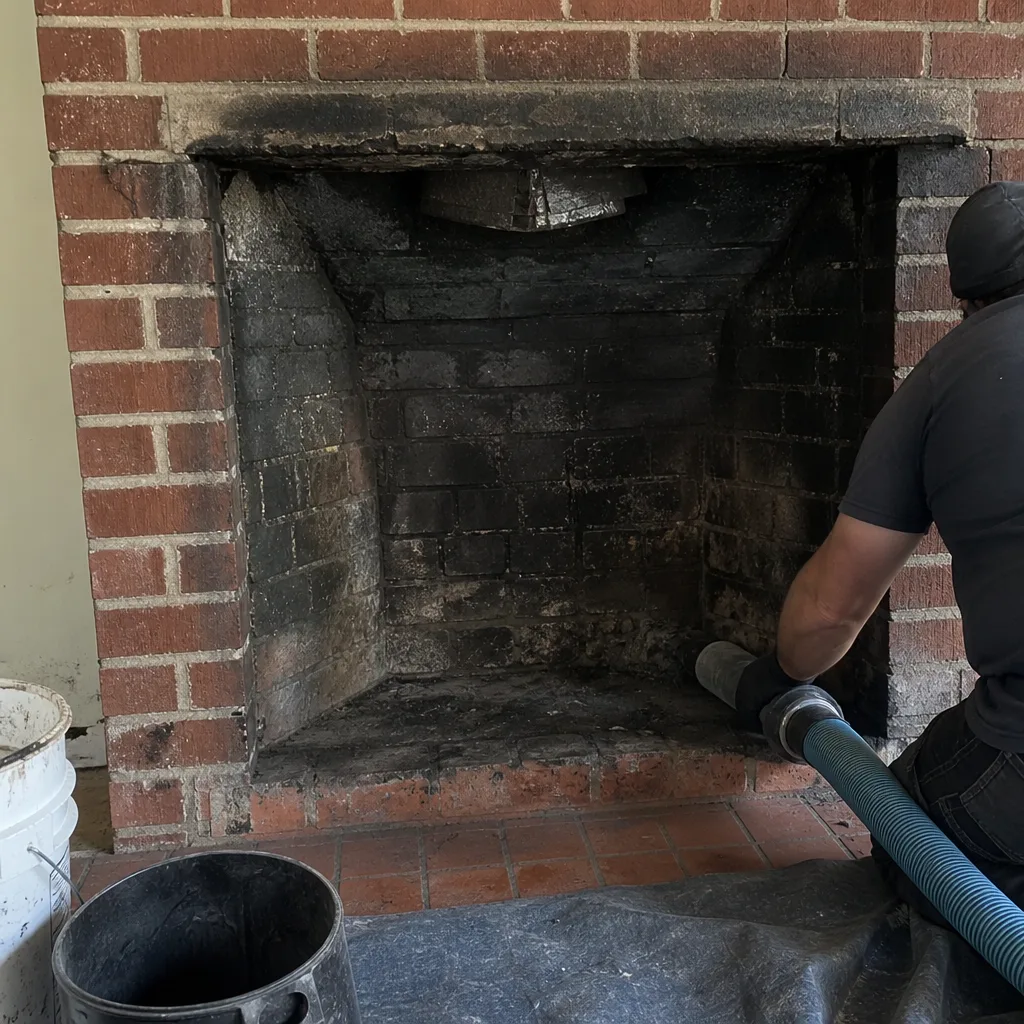
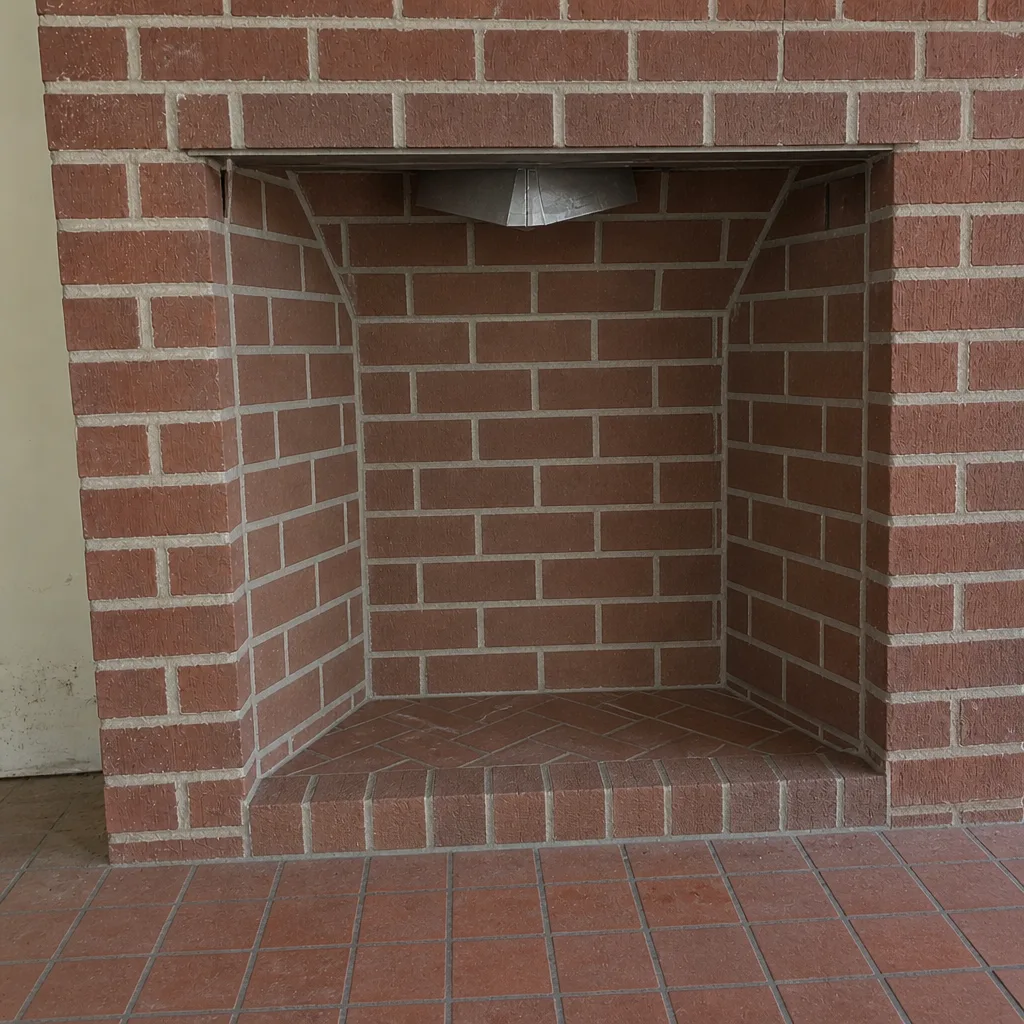
See the difference
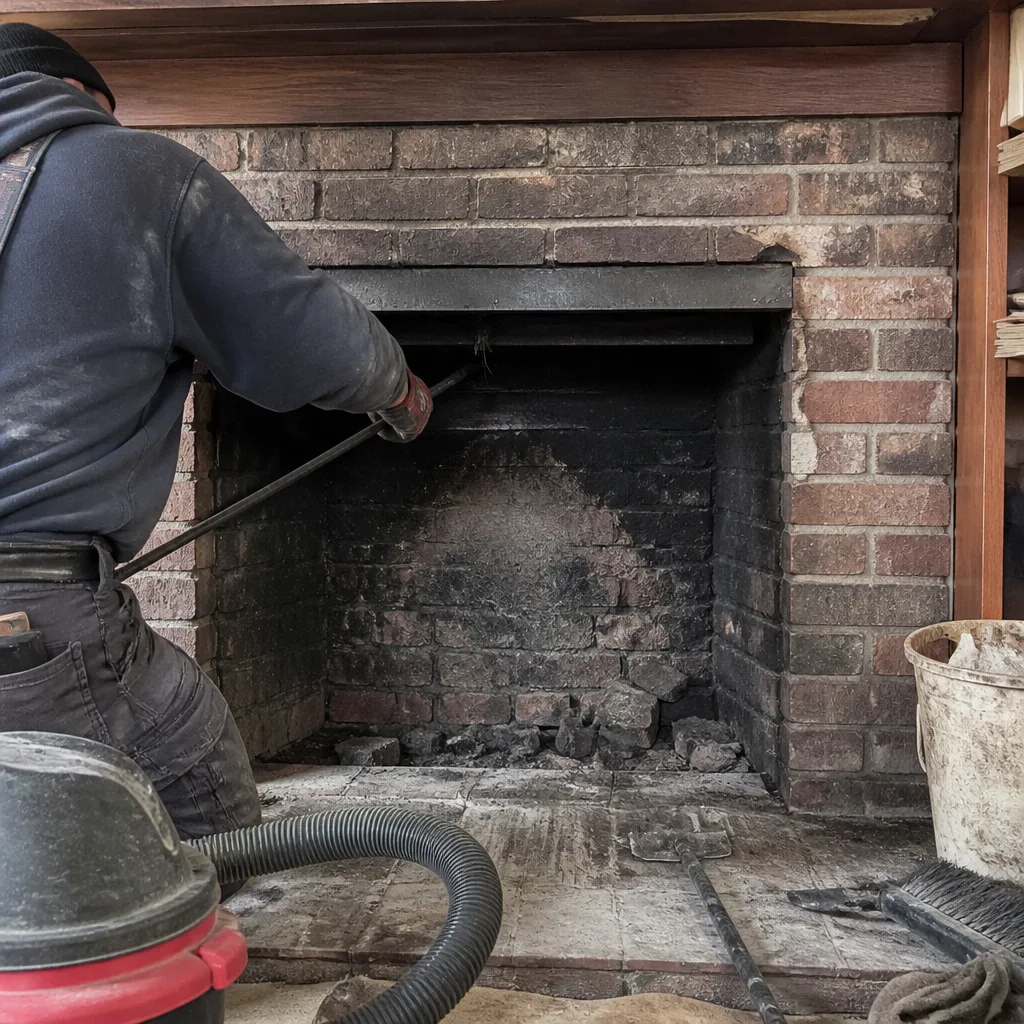 Before
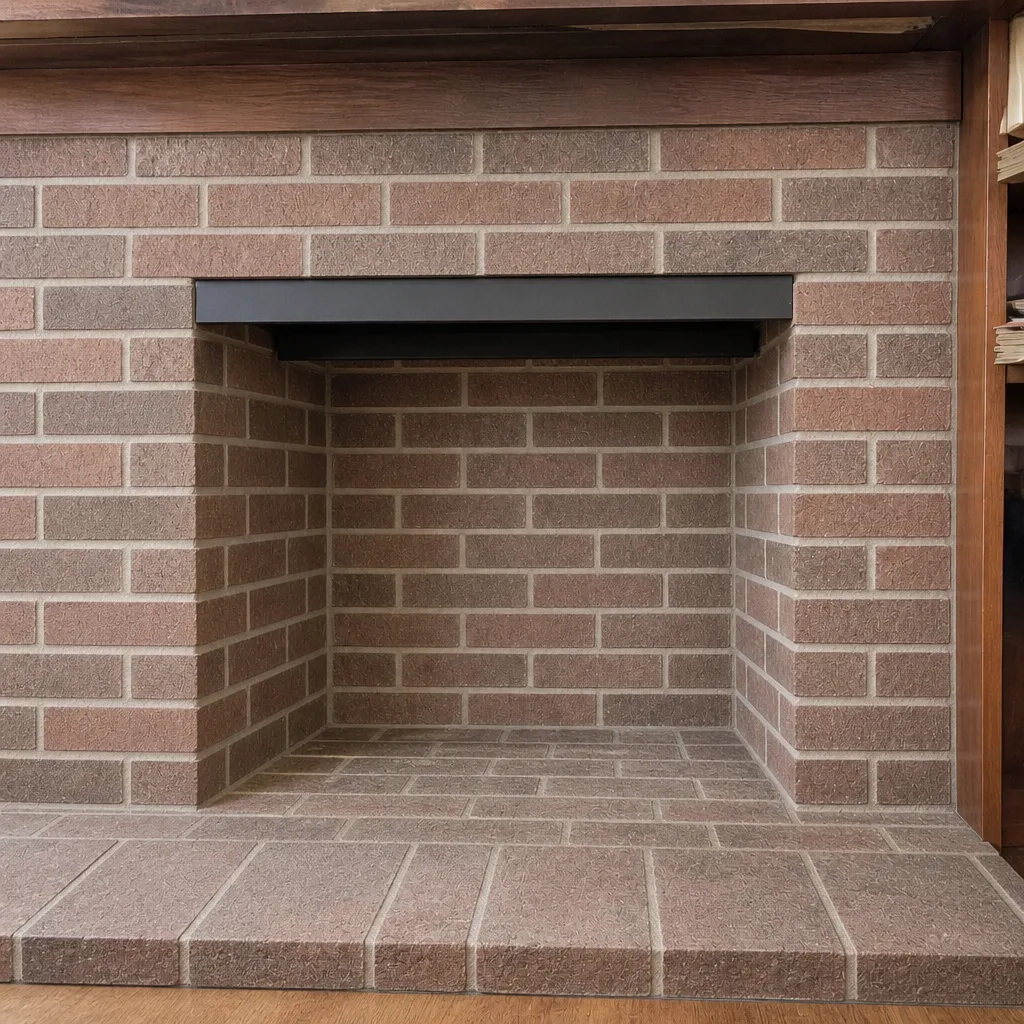 After
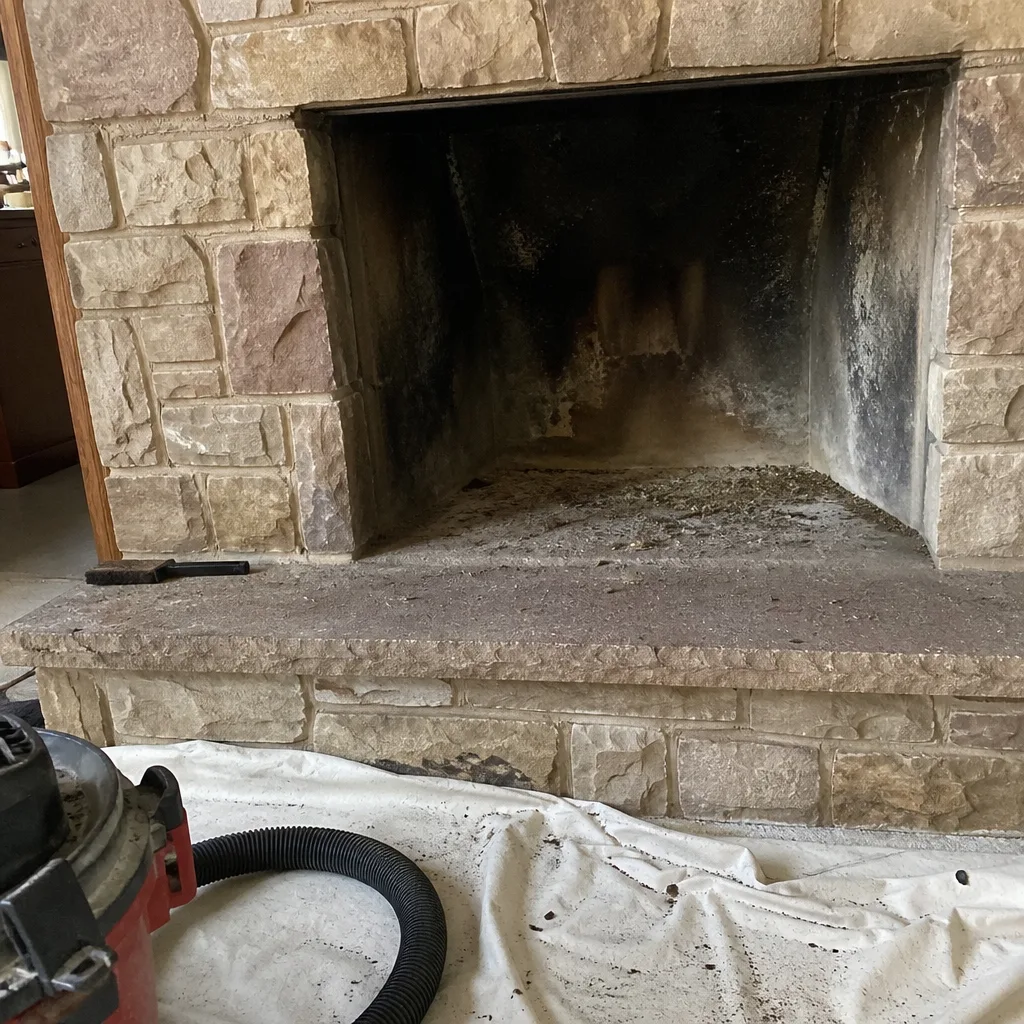 Before
 After
 Before
 After
When to Call a Professional
Some chimney problems announce themselves and some don’t, and the quiet ones are the reason sweeps and inspections exist. Call a professional if you notice any of the following:
- Creosote buildup is visible in the flue or the firebox, or you’ve burned a full season without a sweep.
- Smoke backs into the room when you burn, or the fire draws poorly.
- You see or suspect water in the chimney, a cracked crown, or masonry damage.
- You’ve bought a home in Milwaukee and don’t know the chimney’s service history. Deferred maintenance is common in older housing stock.
- You smell smoke, noticed discoloration around the firebox, or see damage to a chimney cap.
These are safety signals, not scheduling conveniences. Chimney fire risk and carbon monoxide risk are real, and the flue condition is what governs both. The cost of a sweep now is smaller than the cost of ignoring one.
Milwaukee Chimney Sweep offers free estimates in Milwaukee. Call (855) 935-4194 for a flat-priced sweep, a camera inspection with a written report, and repair work priced in writing before it starts. We answer 24/7. Fast dispatch from 7am to 7pm, Sunday through Friday. If you need broader context on what a sweep actually involves, our chimney sweep page walks through the process, and if you’ve already got a diagnosis, chimney repair covers the materials and methods we work with.
Frequently Asked Questions
You should expect the sweep to be flat-priced and set by a written estimate before booking, with the inspection and written report included rather than treated as an add-on. Pricing is per job, and the written estimate sets the final price. Call (855) 935-4194 for an exact quote. Estimates are free.
You may not need a full new liner. A failed liner doesn’t always require a full reline, and HeatShield ceramic resurfacing can often restore a damaged flue at lower cost. The honest test is whether the recommendation is backed by camera evidence you can see. Nothing should be recommended without it. Call (855) 935-4194 to have the flue inspected and documented.
A chimney used for wood burning should generally be swept once a season, and more often if you burn heavily or notice creosote accumulation. An inspection is the trigger for a sweep, and a camera check tells you what the flue actually needs. Milwaukee’s long burn season makes an annual inspection a reasonable baseline. Call (855) 935-4194 to book one.
Creosote accumulates, and creosote is what fuels a chimney fire. The flue can also deteriorate from moisture and freeze-thaw cycles while looking fine from the outside, which is the pattern we see most often in older Milwaukee homes. Skipping the sweep removes your ability to know the condition of the flue. Call (855) 935-4194 to get it checked.
No. There’s no licensing requirement for chimney sweeps in Wisconsin, which means certification is voluntary and the burden is on you to verify it. Check whether a technician holds CSIA or NFI certification by looking it up directly, and ask for a certificate of insurance before booking. Call (855) 935-4194 to confirm what our technicians hold.
You can, but you’ll be coordinating two contractors when the sweep turns up a problem. A sweep without diagnostic and repair capability is a cleaning service, and the repair found during inspection becomes a separate job with a separate company. Hiring a single-source contractor for sweep, inspect, and repair keeps one party accountable for the diagnosis and the fix. Call (855) 935-4194 to book a sweep and inspection together.
The Bottom Line
Hiring a chimney contractor in Milwaukee is a disqualification exercise more than a price comparison. Look for certification you’ve verified, not certification you’ve been told about. Demand a written inspection report with camera evidence and photos. Get the scope and repair pricing in writing before work begins, and don’t let a low inspection price turn into an open-ended repair bill. Watch for storm chasers and bait-and-switch pricing. And prefer a contractor who can go all three phases, from sweep to inspection to repair, so the problem isn’t passed to someone else after it’s found. The Milwaukee housing stock and climate make those checks especially worth doing. Done properly, this decision is straightforward, and it’s what keeps a chimney safe to burn.
Written by the team at Milwaukee Chimney Sweep.