
Last updated November 15, 2026
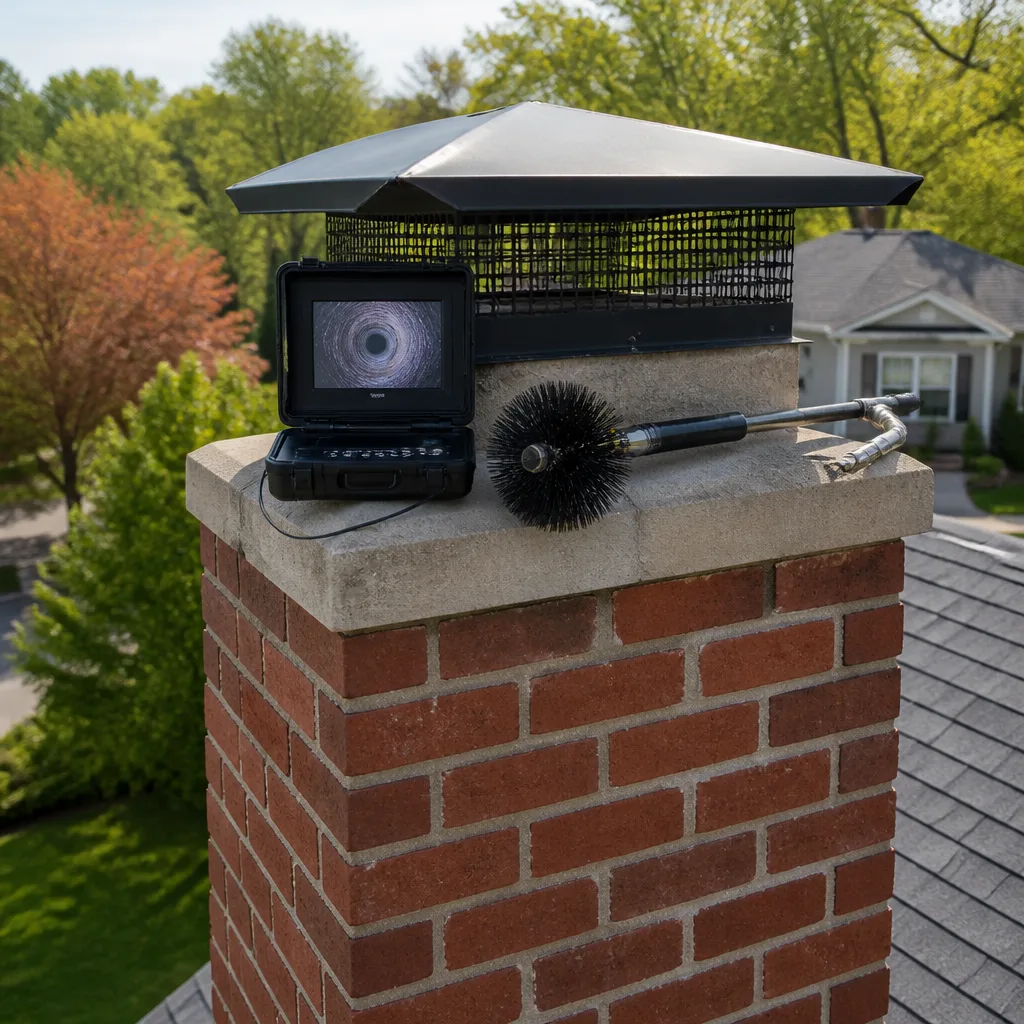 Sweep & inspection
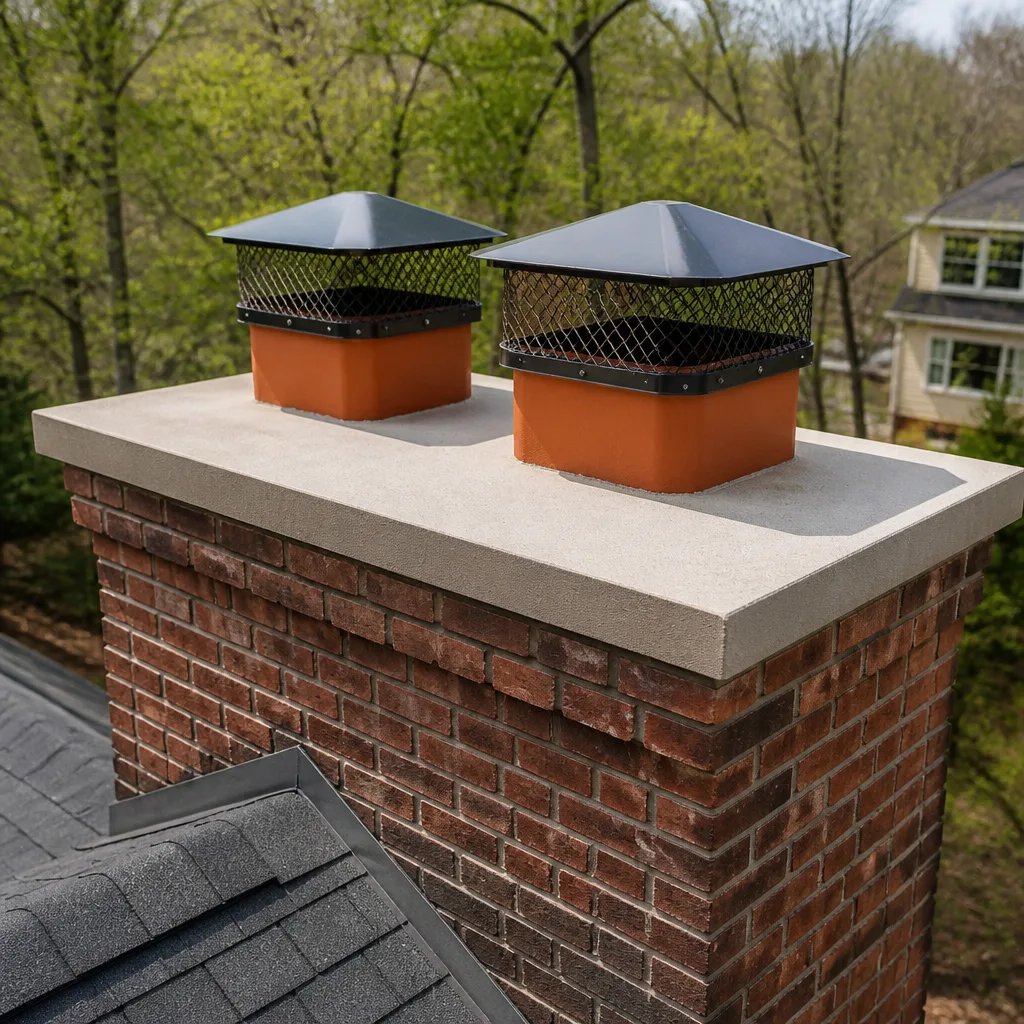 Caps & crowns
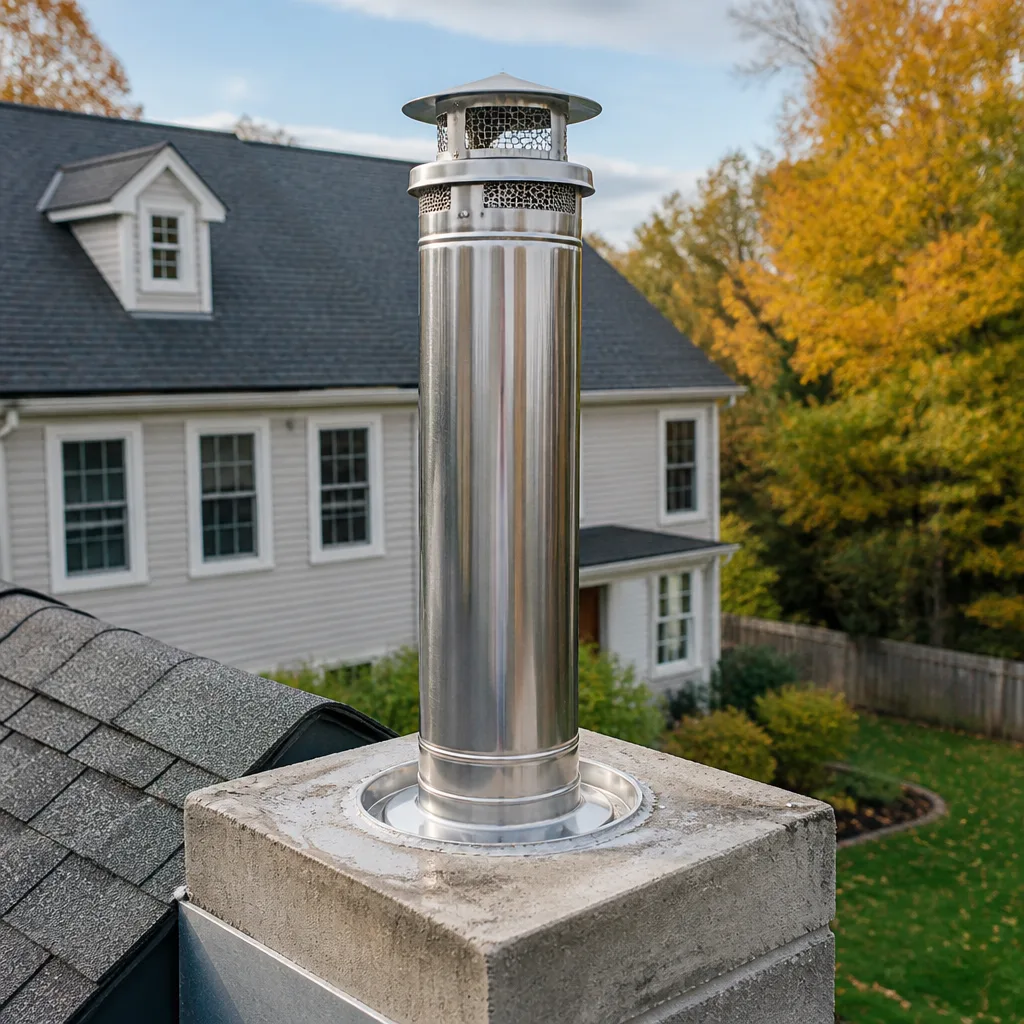 Flue relining
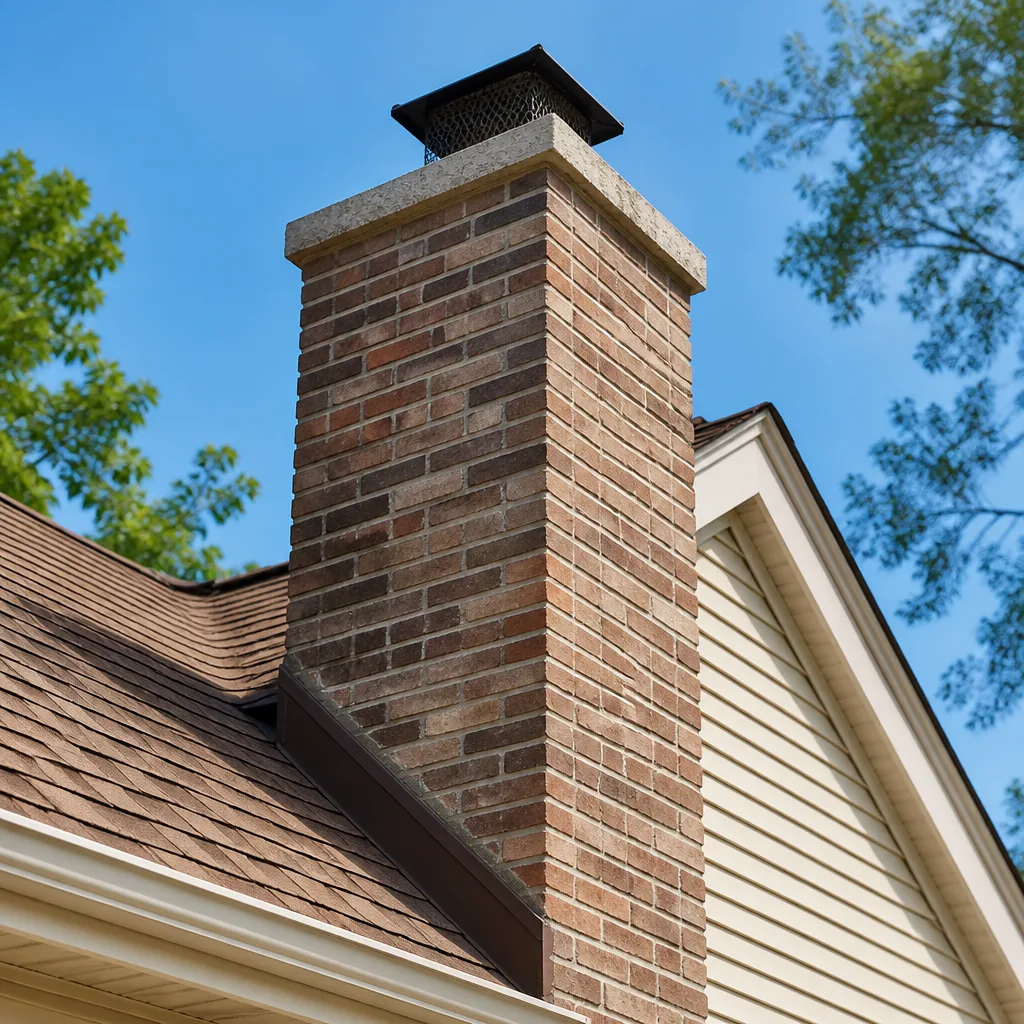 Masonry repair
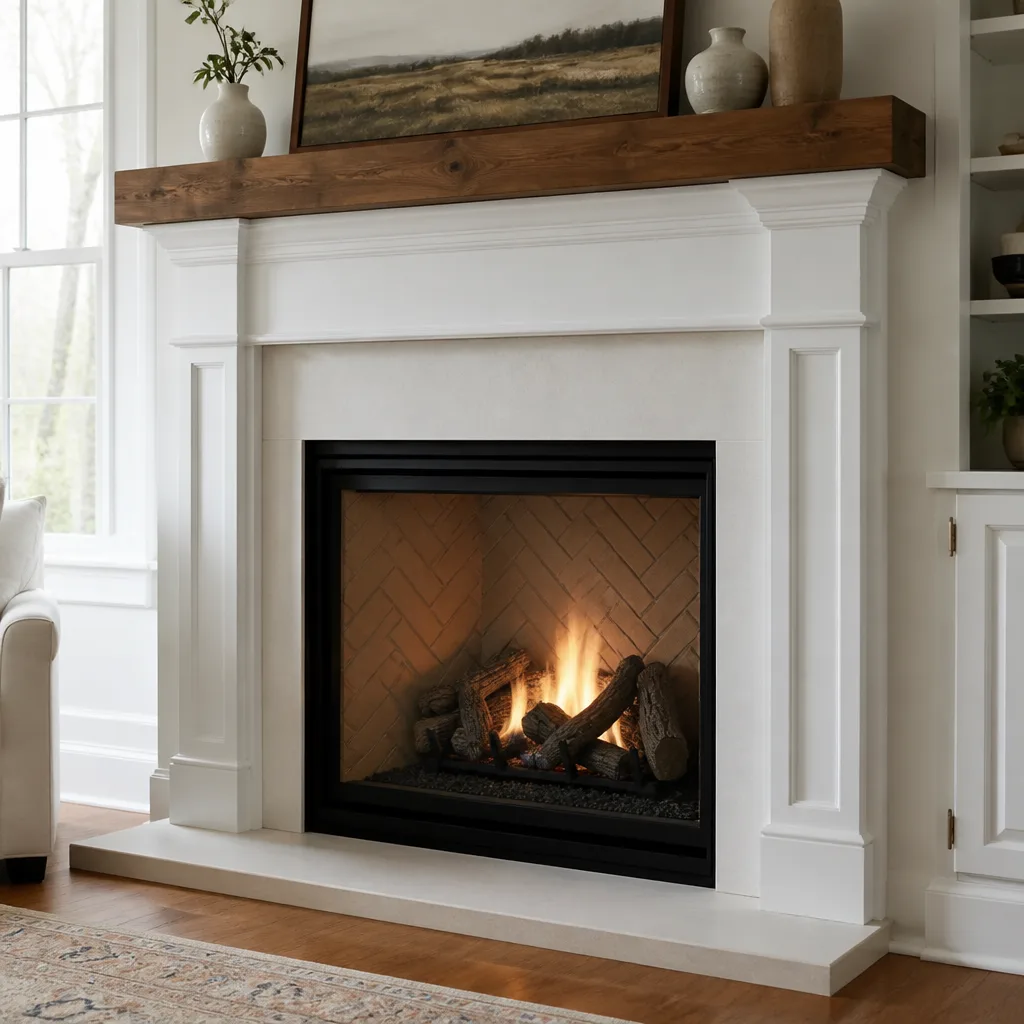 Gas fireplace service
Level 1 sweep and inspection to the NFPA 211 annual standard - flue, crown, cap, and flashing checked and photographed
Chimney sweep logs do not sweep chimneys. They loosen some creosote - which then falls where a brush and vacuum still have to collect it.
Choosing the Right Chimney Cleaning Brand: A Buyer’s Guide for Milwaukee
Most homeowners in Milwaukee have no idea what goes into their chimney during a repair. A technician arrives, looks things over, names a price, and applies something to the inside of the flue. What that “something” is rarely gets discussed, and plenty of contractors prefer it that way. The reason is simple: when a company names the exact product it’s using, you can look it up, compare it, and ask why. When they say “standard patching compound,” there’s nothing to check. The brands behind the work say more about a sweep’s competence than any certificate on the wall. This guide shows you what to ask, what the answers mean, and how to hold up a material spec against the codes and the climate that shape chimney work in Milwaukee. You’ll learn where brand choice actually matters, which products hold up to a Milwaukee winter, and the questions that separate a real specialist from a brush-and-go operation.
Quick Answer
The right chimney cleaning and repair brand is the one whose product matches the job and the climate: HeatShield for resurfacing a damaged flue liner without a full replacement, DuraFlex or Olympia Chimney for code-compliant relining, and Gelco or Famco for caps and weatherproofing built to last through Milwaukee’s freeze-thaw cycles. A contractor who names the exact product for each repair line item is a contractor you can verify. One who can’t name it is one who can’t be held to it. Ask for the spec before you authorize the work, then cross-check it against manufacturer installation requirements and NFPA 211.
Styles & brands we work with
- Sweep & inspection
- Caps & crowns
- Flue relining
- Masonry repair
- Gas fireplace service
Table of Contents
- Why the Brand Behind the Brush Matters More Than the Certification
- Where Brand Choice Matters Most: Four Product Categories
- How to Ask a Contractor What Product They’re Using
- Resurfacing Systems Like HeatShield: Training, Conditions, and Verification
- Chimney Cap Materials in Milwaukee’s Freeze-Thaw Climate
- Cross-Referencing the Spec Against NFPA 211
- What the Best Sweeps Stock and Why It Signals Competence
- Inspection Before Brand: Nothing Gets Specified Without Evidence
Why the Brand Behind the Brush Matters More Than the Certification
Certifications tell you a technician completed a training program. They don’t tell you what the technician will put inside your chimney. Those are two different questions, and the second one has more to do with whether your repair holds five years from now.
Consider the difference between a proper flue liner sealant and a generic patching compound from a big-box store. On paper, both fill a crack. In practice, the generic product is often a thin cement mix that shrinks as it cures, bonds poorly to a stained or glazed flue wall, and cracks apart the first time water gets behind it and freezes. In Milwaukee, that freeze happens reliably every winter. A repair that looked sound in October can be failing by February. A ceramic-based resurfacing system applied by a trained technician is formulated for the temperature swings and the alkaline environment inside a flue. The difference isn’t cosmetic. It’s the difference between a repair that lasts and one that fails in a single season.
This is why we push homeowners to ask about brands. It’s also why generalist handymen struggle here. A handyman who does a bit of everything reaches for whatever’s on the shelf. A chimney specialist specifies a product because the flue, the fuel type, and the local climate all narrow the list of what will actually work. At Milwaukee Chimney Sweep, our technicians have up to 8 years of experience, and a lot of that experience has been learning which materials survive a Wisconsin winter and which ones don’t.
The point isn’t to worship brand names for their own sake. It’s that a named product can be verified. You can read the manufacturer’s spec sheet, check the application conditions, and confirm the warranty terms. An unnamed product can’t be checked at all. That asymmetry is exactly what some contractors count on.
Where Brand Choice Matters Most: Four Product Categories
Not every product on a chimney matters equally. Sweeping involves brushes and a vacuum, and there’s not much brand drama there. The brand decisions that actually affect your home cluster into four categories: flue liner sealants, smoke chamber parging compounds, crown coatings, and chimney caps. Here’s what’s at stake in each.
Flue Liner Sealants and Resurfacing Systems
This is the big one. The flue liner is the surface that contains the fire’s heat and byproducts and keeps them away from the wood framing of the house. When it cracks or spalls, you either resurface it or reline it. Resurfacing products differ enormously. A ceramic-based system like HeatShield is engineered to bond to the existing masonry, fill cracks and voids, and cure to an insulating, heat-resistant surface. A cheap patching compound is engineered to be sold by the bag. The first is a restoration; the second is a stopgap. We’ve seen what happens when a stopgap hits a Milwaukee freeze-thaw cycle, and it isn’t pretty.
Smoke Chamber Parging Compounds
The smoke chamber is the tapered space above the damper, and its surfaces are notoriously rough in older masonry chimneys. Rough surfaces collect creosote and slow the smoke’s exit. Parging smooths those surfaces, but only if the compound actually bonds to the irregular, often sooty brick. Products formulated for smoke chamber parging are designed for that vertical, uneven surface. Generic mortar often slumps or fails to adhere, and the result is a rough chamber again by the next heating season.
Crown Coatings
The crown is the concrete cap at the top of the masonry chimney. Its job is to shed water away from the structure. A failing crown lets water into the chimney’s core, where it freezes, expands, and cracks the masonry from the inside out. Crown coatings vary widely in flexibility and adhesion. A rigid coating over a moving masonry crown cracks. A flexible, masonry-bonded coating moves with the structure and stays sealed. This one product decision quietly determines whether the whole chimney stays dry.
Chimney Caps and Covers
Caps do two jobs: keep rain and animals out, and provide proper termination for the flue. The brand and material decide how long the cap keeps doing those jobs. That’s important enough in Milwaukee’s climate that we cover it in its own section below.
How to Ask a Contractor What Product They’re Using
You don’t need to be a chimney professional to ask the right questions. You just need to ask them before you authorize the work, and know what a strong answer sounds like versus a weak one. Here’s how to walk through a proposal line by line.
- Ask for a line-item written scope. Every repair should be listed separately, with the product or system named next to each line. “Reseal crown” tells you nothing. “Crown coated with [named flexible masonry coating]” tells you something.
- Ask for the brand and the specific product name. Brands like HeatShield, Gelco, or Famco name their systems. Ask the contractor to put the exact product name in the written estimate, not just the brand family.
- Ask why that product fits this job. A specialist can explain why a particular system suits your flue’s fuel type, condition, and the local climate. A vague “it’s what we use” is your cue to keep talking.
- Ask about application conditions. Some products require specific temperature and moisture conditions to cure properly. A technician who knows the product will know if your job can be done now or should wait.
- Ask whether the price stays the same if they substitute a cheaper product. It shouldn’t. If substitutions are allowed without your approval, the spec means nothing.
- Ask for the manufacturer’s spec sheet. A reputable technician can provide or point you to the manufacturer’s written installation requirements. If they can’t, that’s worth noting.
A vague answer is the real signal. “Standard patching compound,” “the usual cement,” “whatever’s rated for it,” and “we use a good product” all mean the same thing: nothing you can verify. When a technician names a product, you can go home and look it up in five minutes. Some contractors count on you not doing that. The ones worth hiring don’t.
Resurfacing Systems Like HeatShield: Training, Conditions, and Verification
Resurfacing is where brand verification pays off most directly, because it’s the service with the biggest gap between a proper job and a cheap one. A ceramic resurfacing system can restore a damaged flue liner and often save a homeowner the cost of a full liner replacement. That’s a real advantage when the liner is sound enough to restore but not sound enough to leave alone. But the system only works if it’s applied correctly.
These applications have specific conditions that make or break the finished surface:
- Surface preparation: the flue has to be cleaned and often etched or primed so the product bonds to the masonry, not just sits on top of it.
- Application technique: the product is applied by trained technicians using the manufacturer’s method for a given flue size and shape.
- Cure conditions: temperature and moisture matter during curing, and a technician who knows the product will tell you whether your job should go now or wait for better conditions.
- Coverage and thickness: the manufacturer specifies the thickness the finished surface needs. A thin, fast application is the failure mode to watch for.
So how do you verify a contractor is actually qualified to apply a resurfacing system? Ask three things. First, ask whether the technician is trained and certified to apply that specific system. Second, ask for the manufacturer’s name on the written scope so the application is tied to the system’s requirements. Third, ask how long the application takes and what conditions they’d need. A technician who answers all three in specifics is one who has done the work. One who deflects is one you should slow down on. Our team handles HeatShield resurfacing as a specialty, and we do it because it lets us fix a liner that a brush-only crew would have to quote as a full replacement.
Chimney Cap Materials in Milwaukee’s Freeze-Thaw Climate
A chimney cap looks like a small detail until a winter’s worth of freeze-thaw cycles gets to it. In Milwaukee, the pattern is reliable: water gets into seams, temps drop below freezing, the water expands, and the material weakens. Then it snows, melts, and does it again. Caps fail on this cycle, not on the day you buy them. Material choice decides how many cycles it takes.
The three common cap materials behave differently here:
- Aluminum: the least expensive option, and the shortest-lived in a freeze-thaw climate. It resists rust in dry conditions but dents easily, and thin aluminum can degrade as water infiltrates joints and seams through repeated freezing. Fine for a short horizon, weaker for the long haul.
- Stainless steel: the workhorse for Milwaukee. Stainless holds up to moisture, temperature swings, and the corrosive byproducts that rise out of a flue. It’s the material we reach for when a cap needs to last through many seasons without attention.
- Copper: the longest-lived and the most expensive. Copper develops a patina over time, resists corrosion well, and offers the longest service horizon of the three. It’s a sensible choice for homeowners who want to install once and stop thinking about it.
Material is only half the equation. A cap also has to be sized and mounted to the manufacturer’s spec, with the right mesh and the right termination for the flue. A stainless cap installed loose will let water in just as surely as an aluminum one. When we install caps, we fit Famco and Gelco products to the manufacturer’s spec so the termination and the weatherproofing are done right the first time. For a chimney cap that’s going to sit on a Milwaukee roof for years, that matters more than the price difference between materials. If your existing cap is rusted, loose, or missing mesh, it’s worth having it looked at during any chimney sweep visit.
Cross-Referencing the Spec Against NFPA 211
NFPA 211 is the national standard for chimneys, fireplaces, vents, and solid fuel-burning appliances. You don’t need to read the whole thing. You do need to know that it sets the baseline requirements for how a chimney must be constructed, lined, and maintained, and that a good contractor’s material spec should line up with it. When those two things agree, you have a repair that’s built to code. When they don’t, you have a repair that looks fine and isn’t.
Here’s how to cross-check a spec before you authorize work, in plain terms:
- Confirm the liner requirement. Ask whether the proposed repair preserves a continuous, code-compliant liner for the appliance. If the flue has no liner or an inadequate one, resurfacing may not be the right call, and a full reline using a system like DuraFlex or Olympia Chimney may be needed to bring the chimney up to the standard.
- Check the clearance question. NFPA 211 addresses clearances between the chimney and combustible materials. If your chimney has inadequate clearance, a repair that ignores it doesn’t fix the underlying risk.
- Match the product to the appliance. A wood-burning flue and a gas appliance vent have different requirements. The product specified should be rated for the fuel type you actually burn.
- Verify the installation requirements. The manufacturer’s written instructions are the authority on how the product gets installed. Ask that the written scope reflect those instructions, not a shortcut version of them.
- Ask what happens if the inspection finds more. A good contractor will tell you before the work starts whether a required code upgrade is part of the estimate or could appear later.
The reason we care about this cross-reference is simple: a code-compliant chimney is one whose materials and installation both meet the standard. Naming the brand and confirming the code requirement are two sides of the same question. If your contractor can’t answer both, the spec isn’t finished. Codes and permits vary by jurisdiction, so for anything beyond the national baseline, it’s worth asking your local building department directly what applies to your home in Milwaukee.
What the Best Sweeps Stock and Why It Signals Competence
A sweep who stocks professional products is telling you something about the range of work they can actually do. A crew that only carries a brush can only clean. A crew that carries materials for liners, resurfacing, caps, and masonry repairs can finish the job it diagnoses. That distinction matters more than any single product on the shelf.
When we look at what a well-equipped chimney outfit keeps on hand, it maps to the four categories from earlier. Liner systems like DuraFlex and Olympia Chimney mean the crew is ready for a full reline, not just a cleaning. A resurfacing system like HeatShield means a damaged liner can sometimes be restored instead of replaced. Famco and Gelco caps and covers mean the top of the chimney can be properly terminated while the crew is there. The materials track the work. They’re a sign that the person diagnosing your chimney can also fix it, rather than handing you a work order and a referral.
There’s a practical advantage here too. When diagnosis and repair happen together, nobody’s guessing about what the other person found. The same crew that inspects the flue is the one that specifies the material and installs it. At Milwaukee Chimney Sweep, we stock materials from DuraFlex, HeatShield, Gelco, Olympia Chimney, Famco, and Copperfield, and we match the product to the job rather than reaching for whatever’s already on hand. For a homeowner in an older Milwaukee house who suspects deferred chimney maintenance, that breadth is the difference between one accountable visit and three separate contractors who each blame the other.
Inspection Before Brand: Nothing Gets Specified Without Evidence
None of this brand research matters if the diagnosis underneath it is a guess. A contractor who recommends new liner work, crown replacement, or a full reline without showing you what they found is asking for trust they haven’t earned. The hesitation most homeowners feel is exactly this: how do I know I’m not being sold thousands of dollars of work I can’t verify?
The answer is camera evidence. A proper inspection uses a camera to look inside the flue and produces photographs or video you can see for yourself. When a technician recommends resurfacing, a reline, or a repair, they should be able to point to the crack, the spalling, the failed joint, or the gap that justifies it. Nothing should be recommended without that evidence in front of you. And some findings can safely wait. Not every rough flue needs a reline this month, and a good contractor will tell you when a repair can be scheduled later rather than pushed as urgent. That honesty is worth more than a discounted price. You can read more about our inspection and repair approach on our chimney repair page.
Common Mistakes to Avoid
- Accepting “standard patching compound” as an answer. It’s an unnamed product you can’t verify, and it’s often the cheapest cement mix on the shelf. Ask for the exact product and brand, or don’t authorize the work.
- Skipping the resurfacing-versus-reline question. Some flues can be restored with HeatShield resurfacing at lower cost than a full liner replacement; others genuinely need a reline with a DuraFlex or Olympia system. A contractor who jumps straight to the most expensive option without the camera evidence to back it up is worth a second look.
- Choosing a cap on price alone. The gap between an aluminum cap and a stainless one is small compared to the cost of replacing a failed cap and repairing the water damage underneath it in a Milwaukee freeze-thaw cycle. Fit the material to the horizon you want.
- Hiring a generalist for a flue repair. A handyman who does a bit of everything can sweep. Specifying a resurfacing system, a smoke chamber parge, or a liner termination is a different level of work, and it shows in what happens two winters later.
- Authorizing work without camera evidence. If no one showed you what’s wrong inside the flue, you’re being asked to buy a diagnosis you can’t see. Ask to see the photos first.
- Ignoring the clearance and code question. NFPA 211 sets the baseline for chimney construction and clearance, and a repair that skips the required upgrade may not bring the chimney up to standard even if the surface looks better.
- Treating the cap and cover as an afterthought. The cap is the top of the whole system. Fit the right Famco or Gelco product while the crew is on the roof, or plan a second visit for the same job later.
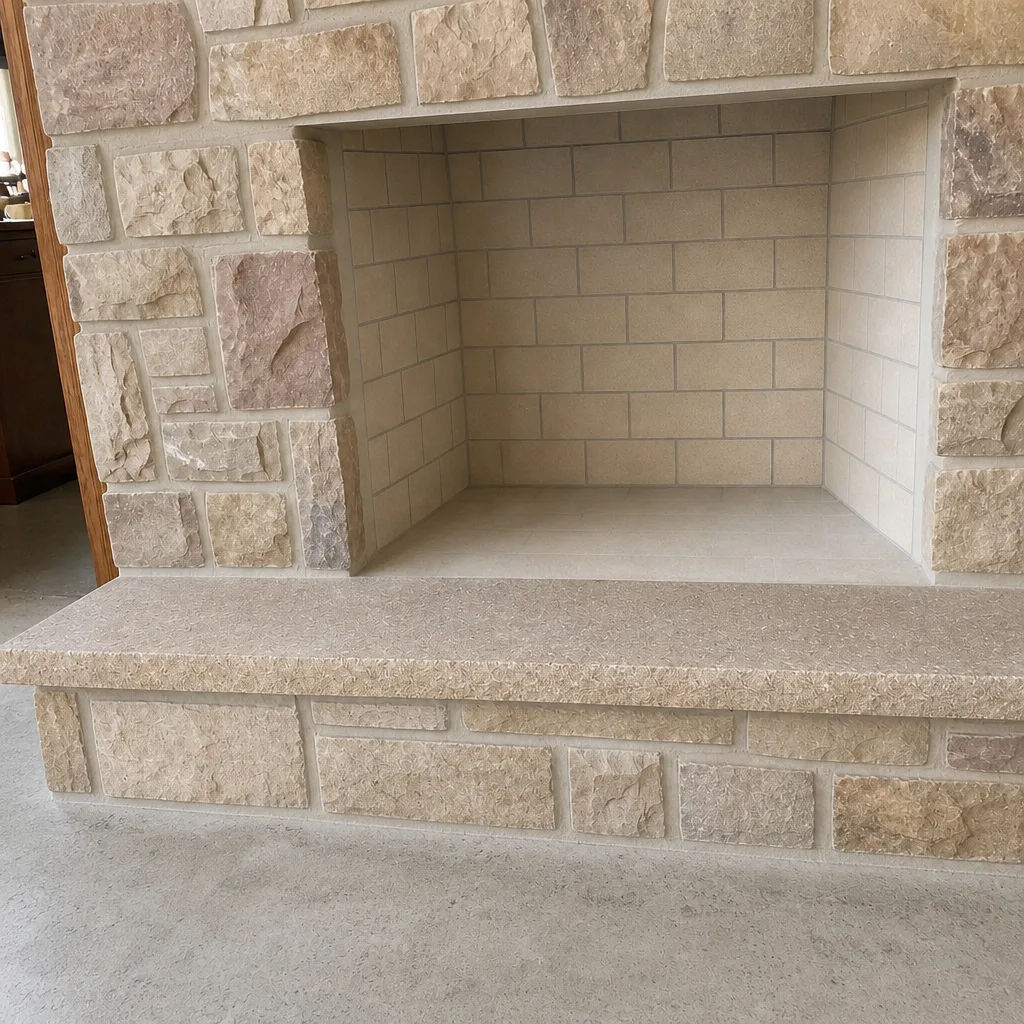
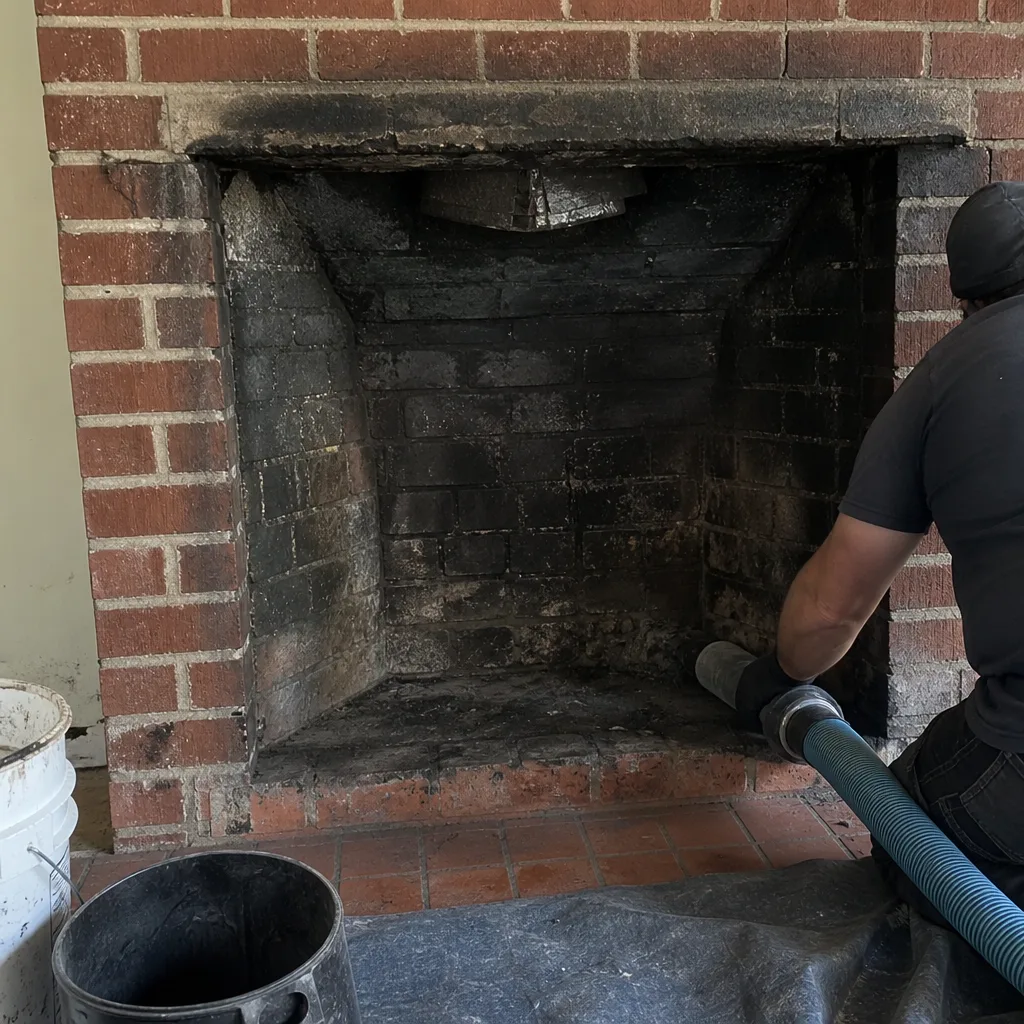
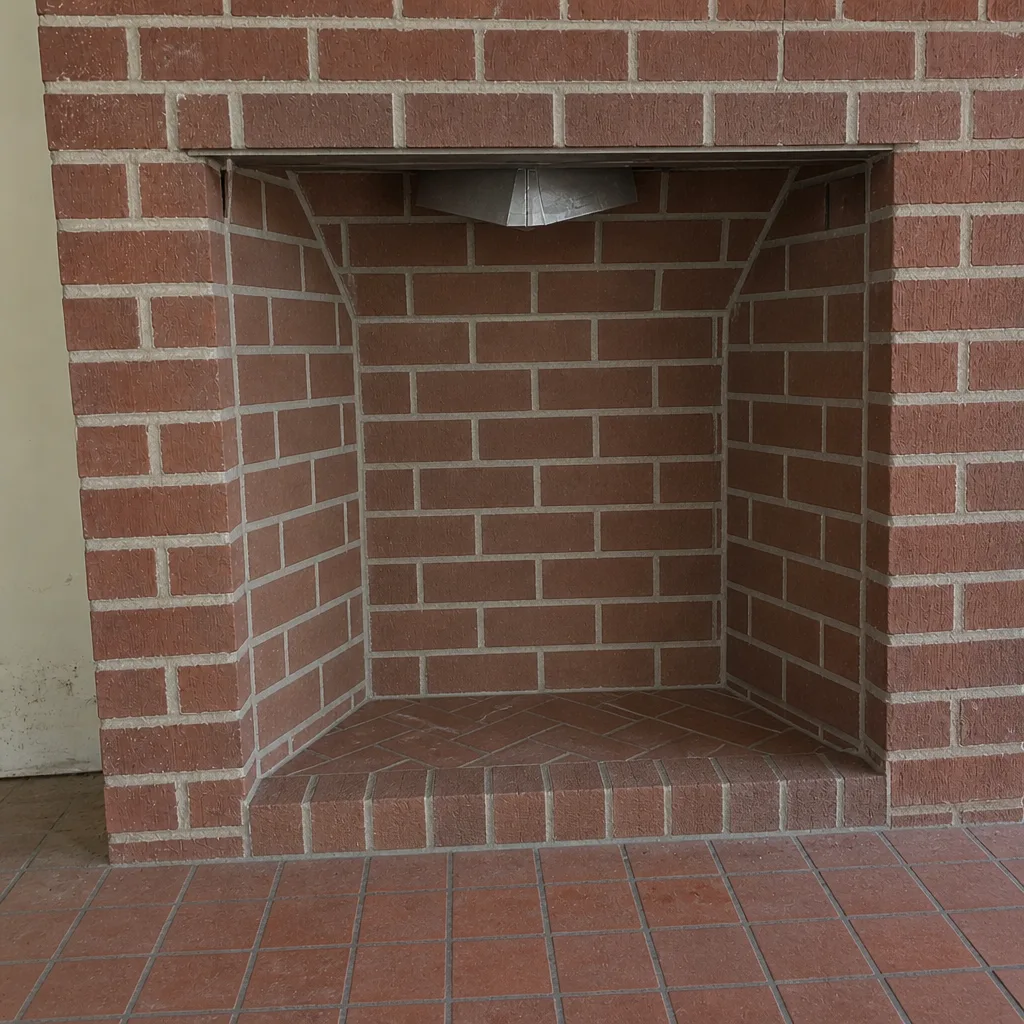
See the difference
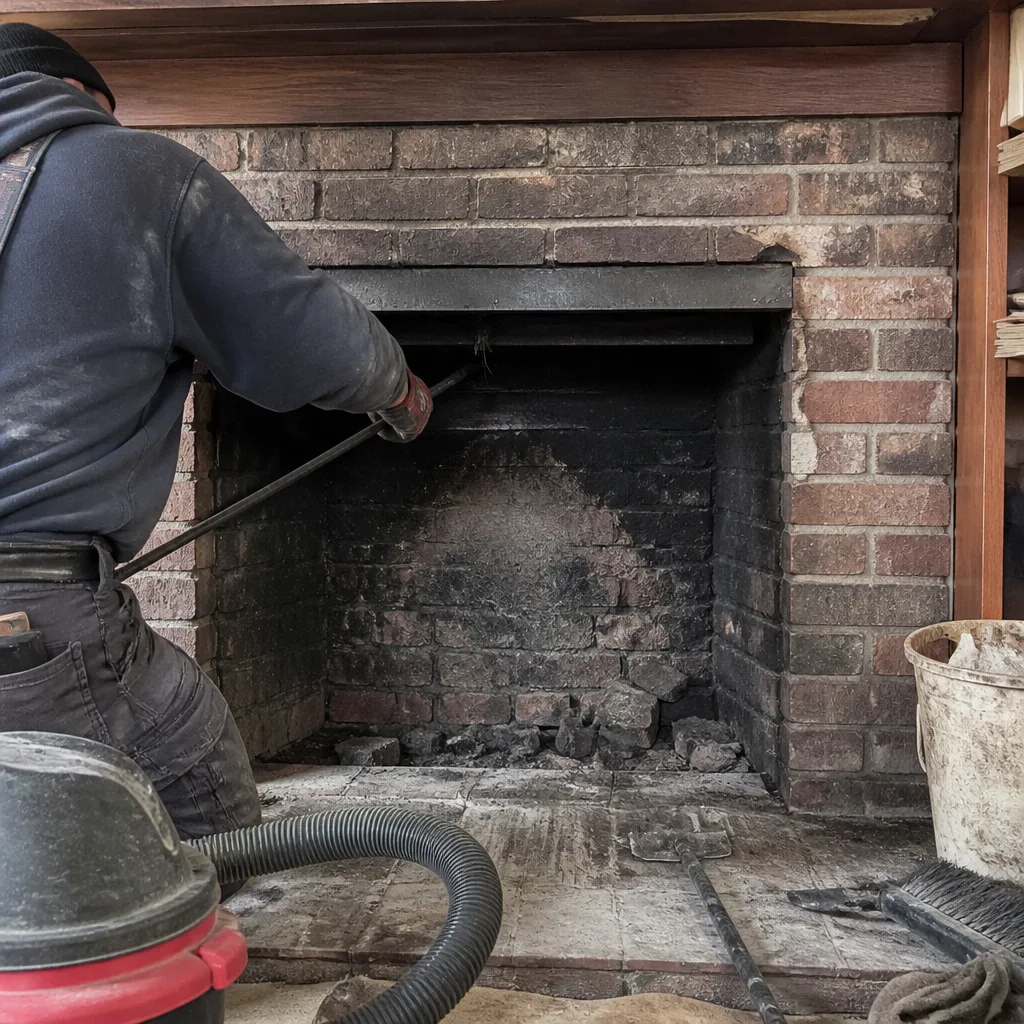 Before
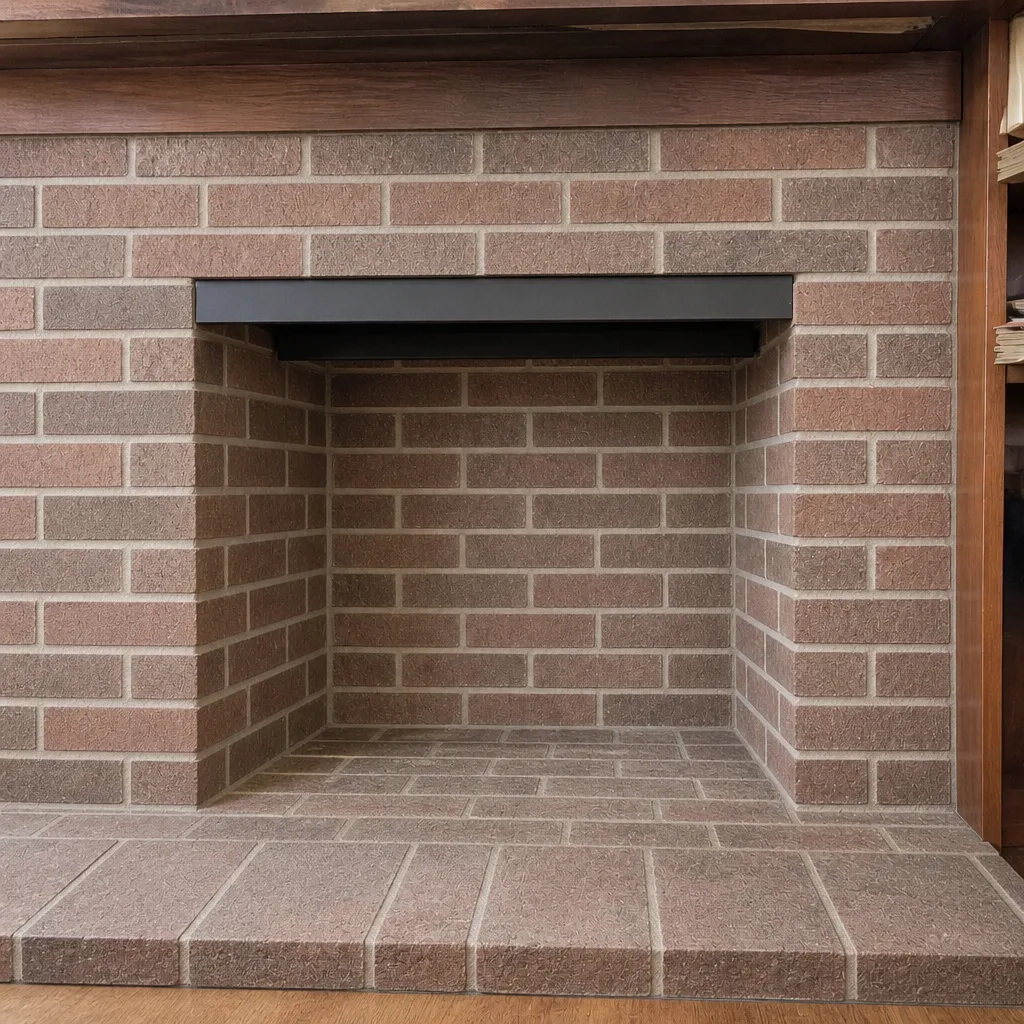 After
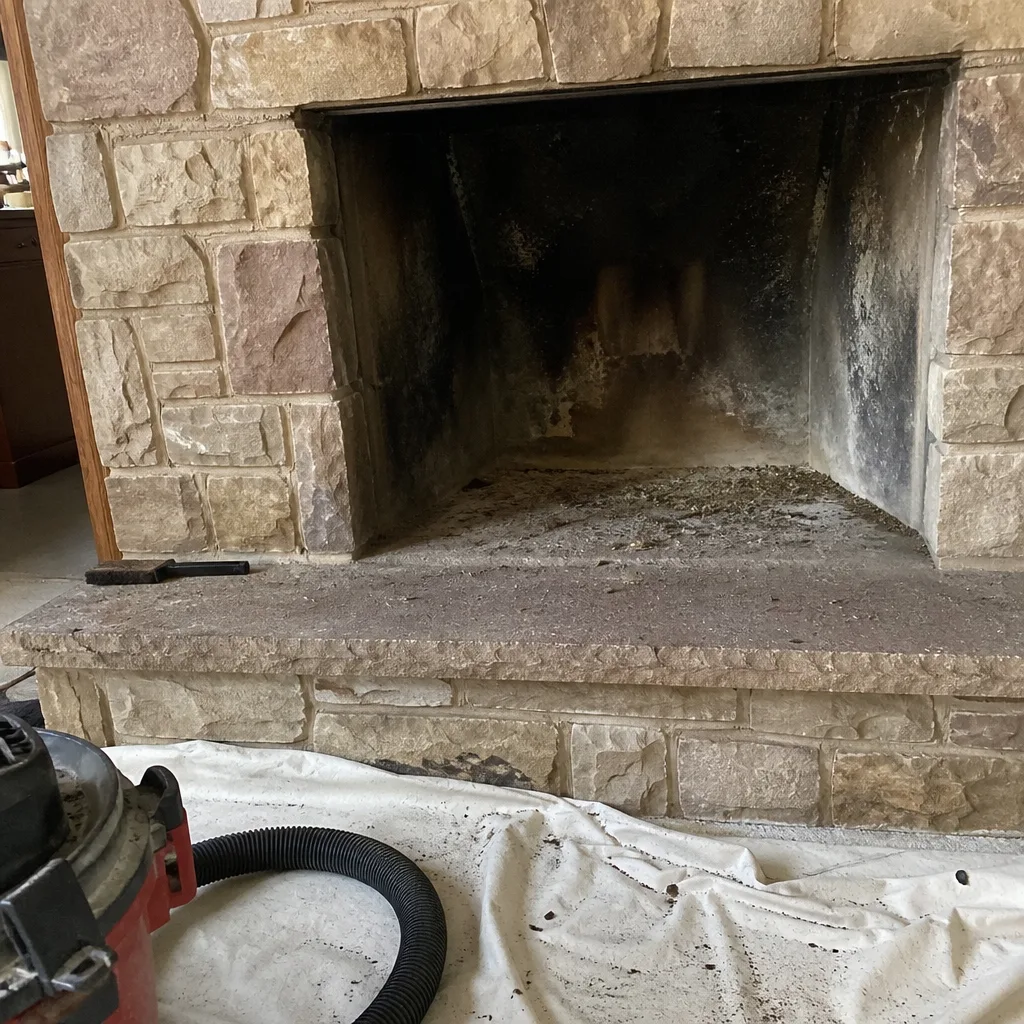 Before
 After
 Before
 After
When to Call a Professional
Some chimney questions you can answer yourself with a flashlight and a look at the cap. Others need a trained technician and a camera. Call a professional when you don’t know the last time the chimney was inspected, when you’ve had a chimney fire or a heavy creosote buildup, when you notice crumbling mortar or a cracked crown, when the cap is loose or missing, or when you’re buying an older home in Milwaukee and suspect deferred maintenance. Those situations call for a camera inspection and a written scope before any repair is authorized. Safety matters here because the flue is the barrier between the fire and the structure of the house, and problems inside it aren’t visible from the ground. Milwaukee Chimney Sweep offers free estimates in Milwaukee. Call (855) 935-4194. We answer 24/7. Fast dispatch from 7am to 7pm, Sunday through Friday.
Frequently Asked Questions
Pricing is set per job by a written estimate, and the estimate is free, so the exact number depends on your chimney’s condition and what the visit turns up. What matters more than the headline price is what’s included: a proper inspection with camera evidence and a written scope for any repair. Call (855) 935-4194 for an exact quote. Estimates are free.
Not always. A damaged flue liner can sometimes be restored with a ceramic resurfacing system like HeatShield, which is often less expensive than a full liner replacement. Whether yours can be restored or needs a reline with a DuraFlex or Olympia system depends on the condition inside the flue, which is why a camera inspection comes first. Nothing should be recommended without evidence you can see. Call (855) 935-4194 for an exact quote. Estimates are free.
For a wood-burning fireplace, the general guidance is to have the chimney swept and inspected annually, and more often if you burn heavily or notice creosote buildup. The inspection is what tells you whether the flue is safe for another season. In a Milwaukee climate with a real heating season, an annual visit is a reasonable baseline. Call (855) 935-4194 for an exact quote. Estimates are free.
Creosote builds up on the flue walls, and if it isn’t removed it can fuel a chimney fire. A neglected crown or cap lets water in, and repeated freeze-thaw cycles then crack the masonry from the inside. Skipping a sweep isn’t an immediate danger on day one, but the risk compounds quietly over seasons. Call (855) 935-4194 for an exact quote. Estimates are free.
Stainless steel is the workhorse for this climate, and copper is the longest-lived option, while aluminum is the shortest-lived in freeze-thaw conditions. The fit matters as much as the material, so the cap should be installed to the manufacturer’s spec. We fit Famco and Gelco caps to spec for weatherproofing and animal exclusion. Call (855) 935-4194 for an exact quote. Estimates are free.
Yes, and you should. Ask for a line-item written scope with the exact brand and product name next to each repair, and ask why that product fits your chimney. A specialist can answer in specifics; a vague answer like “the usual cement” is a warning sign. A named product is one you can verify. Call (855) 935-4194 for an exact quote. Estimates are free.
The Bottom Line
The brands behind a chimney repair tell you more about a contractor than a certificate does. A specialist names the product for each line item, matches it to your flue and to Milwaukee’s freeze-thaw climate, and cross-checks it against NFPA 211 and the manufacturer’s installation requirements. A generalist says “standard patching compound” and hopes you don’t ask. HeatShield resurfacing, DuraFlex and Olympia liners, and Famco and Gelco caps aren’t just brand names; they’re decisions that determine whether a repair holds or fails. Ask for the spec, ask to see the camera evidence, and don’t authorize work you can’t verify.
If you’re ready for a proper look at your chimney in Milwaukee, we sweep, inspect, and repair under one roof, and we stock the materials to do all three. Call (855) 935-4194 for a free estimate. We answer 24/7. Fast dispatch from 7am to 7pm, Sunday through Friday.
Written by the team at Milwaukee Chimney Sweep.