
Last updated November 15, 2026
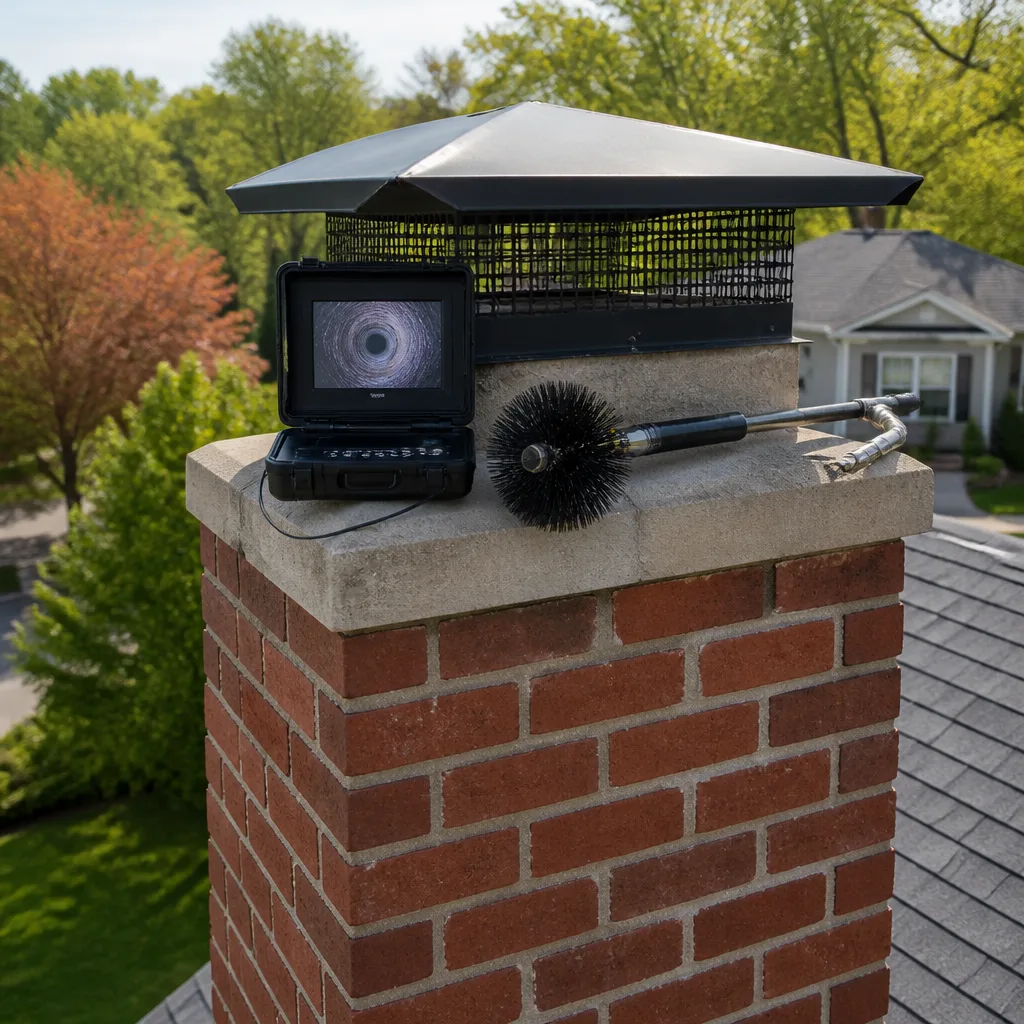 Sweep & inspection
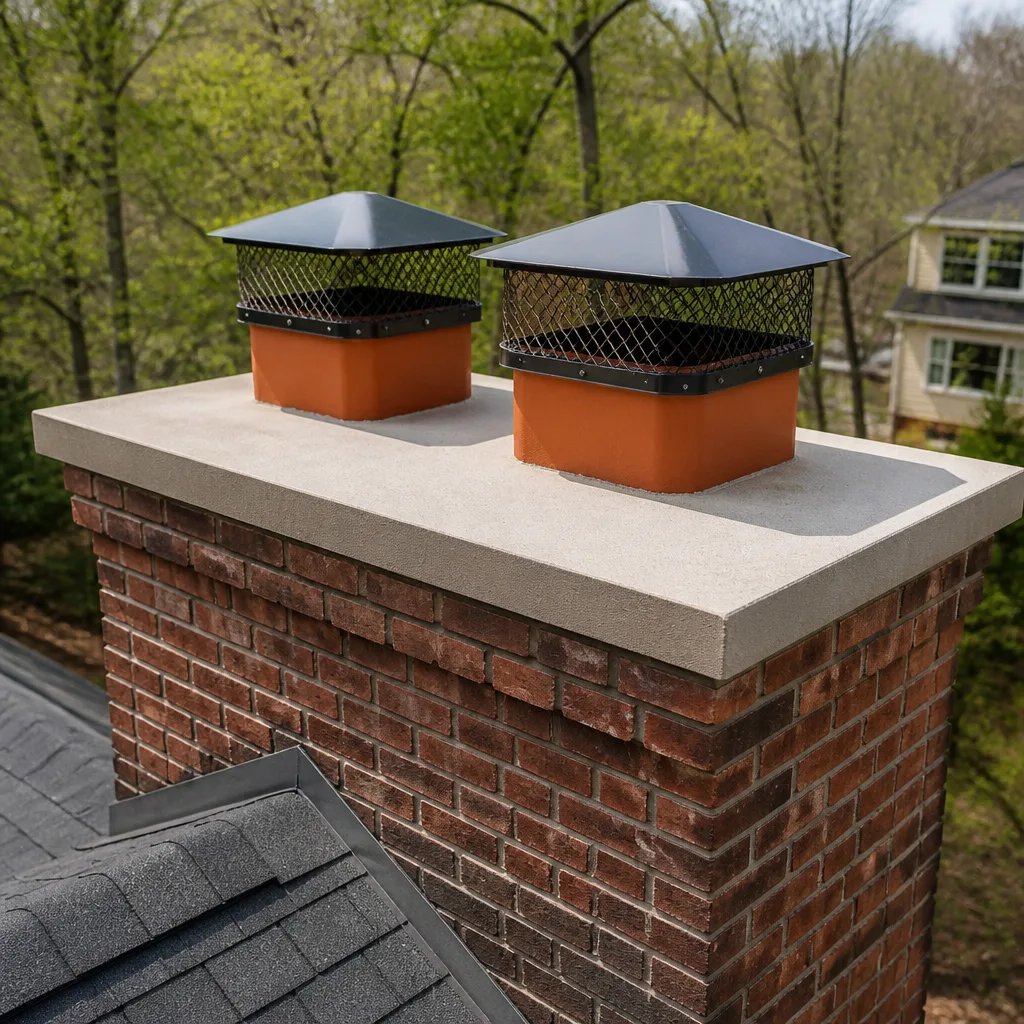 Caps & crowns
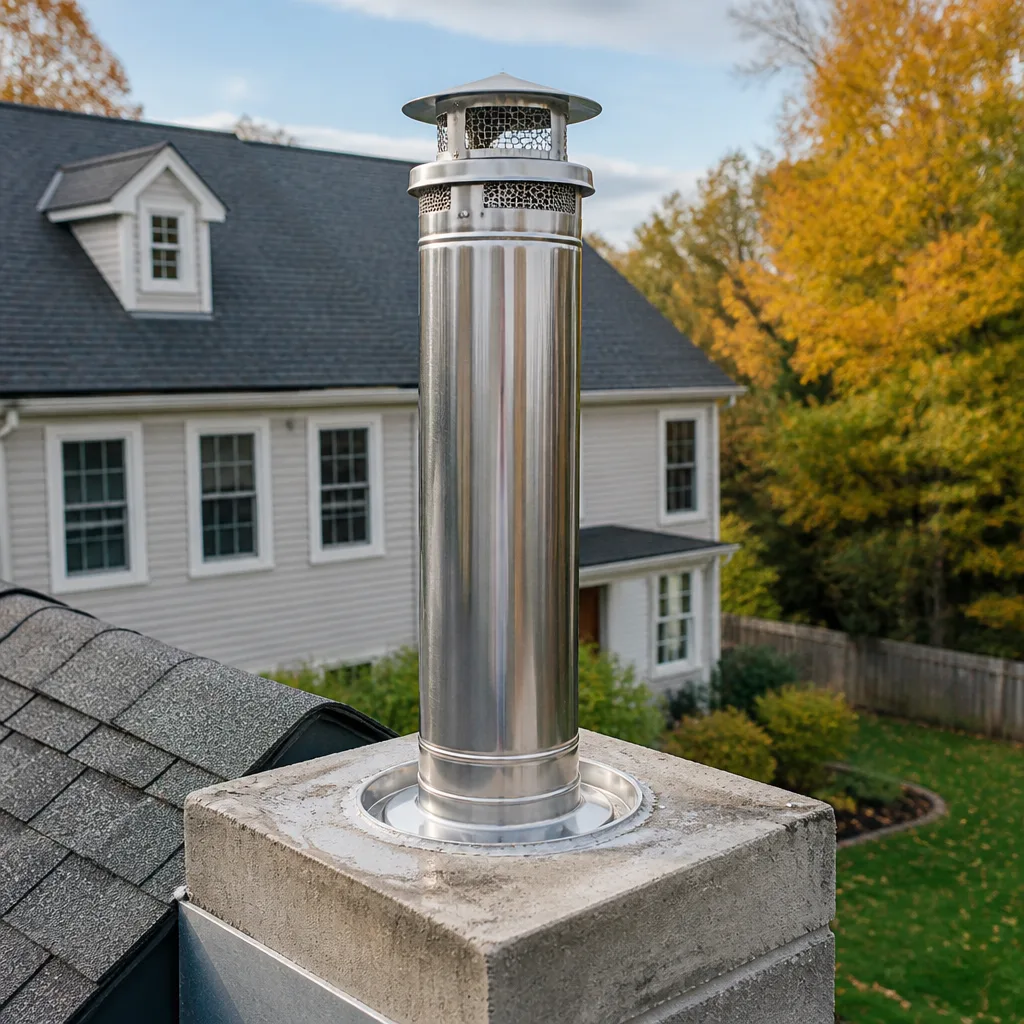 Flue relining
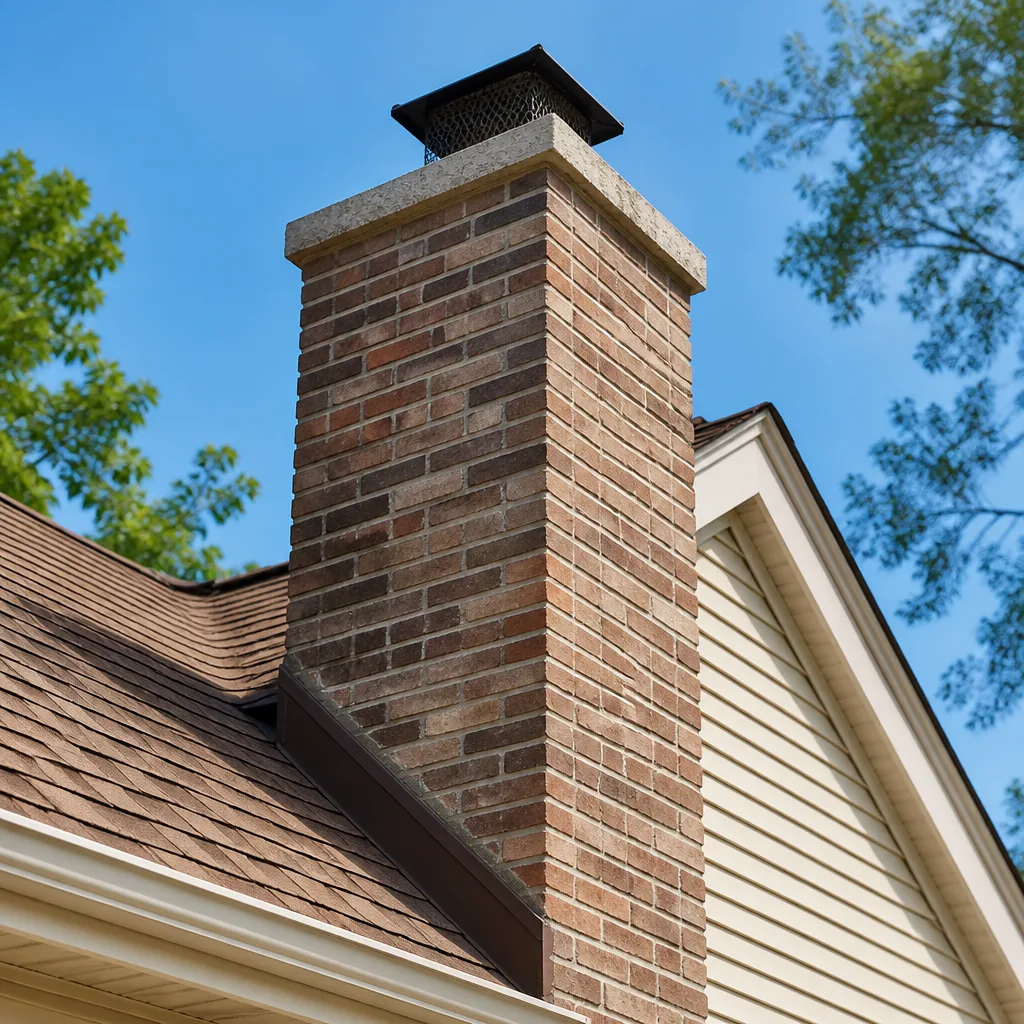 Masonry repair
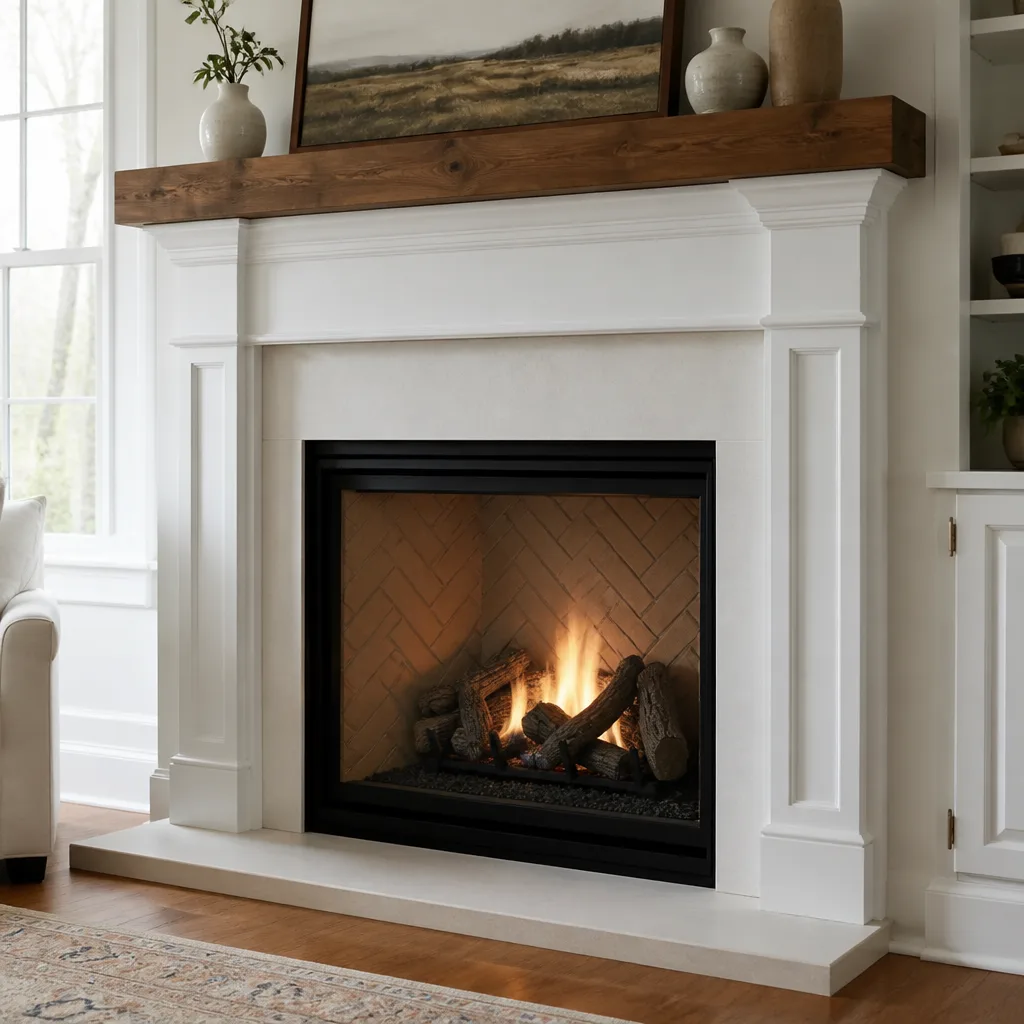 Gas fireplace service
Level 1 sweep and inspection to the NFPA 211 annual standard - flue, crown, cap, and flashing checked and photographed
Chimney sweep logs do not sweep chimneys. They loosen some creosote - which then falls where a brush and vacuum still have to collect it.
Chimney Sweep Troubleshooting in Milwaukee: Common Problems and How to Fix Them
If your chimney smokes into the house only on windy days, that’s a stack-height or negative-pressure problem, not a creosote blockage. Sweeping it won’t fix it, but plenty of crews will sweep it anyway and charge you for the visit. The same mismatch runs through almost every chimney complaint we troubleshoot in Milwaukee: a homeowner describes “smoke smell” or “poor draft,” and the actual cause turns out to be one of four or five distinct failure modes, each with its own fix and its own price. This guide teaches you to read the symptoms the way a technician does, so you can describe the problem accurately before anyone shows up. You’ll learn the symptom fingerprints, what a real inspection checks, and when repair beats cleaning.
Quick Answer
Most Milwaukee chimney problems fall into five failure modes: creosote blockage in the flue, downdraft or negative pressure, cracked flue tile, a deteriorated damper seal, or crown and cap damage. Each produces a different symptom pattern, so the fastest path to a correct fix is matching your symptom to the failure mode before booking a chimney sweep. If you can describe when the problem happens and what it smells or looks like, a technician can usually narrow it to one or two causes before the truck arrives.
Styles & brands we work with
- Sweep & inspection
- Caps & crowns
- Flue relining
- Masonry repair
- Gas fireplace service
Table of Contents
- The Five Failure Modes Behind Most Chimney Problems
- Creosote Blockage vs. Downdraft: Telling Them Apart
- Cracked Flue Tile and Winter Spalling in Older Milwaukee Brick
- Damper Seals, Crowns, and Caps: The Weather Side of the System
- The Cold Flue Problem in Tight Modern Homes
- What a Level 2 NFPA 211 Inspection Actually Checks
- A Pre-Call Checklist You Can Run From the Ground
- Matching the Fix to the Finding
The Five Failure Modes Behind Most Chimney Problems
When a homeowner in Milwaukee calls about a chimney that “isn’t working right,” the complaint is usually accurate but the diagnosis isn’t. Smoke rolling into the room, a draft that reverses when the furnace kicks on, a smell that shows up in summer, or a flue that never seems to draw all point to a short list of causes. Learning the five categories below is the single most useful thing you can do before you pick up the phone.
Here’s how each failure mode tends to present itself:
- Creosote blockage: Smoke backs up every time you light a fire, regardless of weather. The draft was fine last season and has gotten steadily worse. You may smell a sharp, tar-like odor even when the fireplace is cold.
- Downdraft or negative pressure: The problem is intermittent and weather-dependent. Smoke spills on windy days, or when a bathroom fan, kitchen hood, or clothes dryer runs. Fires start hard and then burn fine once they’re hot.
- Cracked flue tile: Draft is inconsistent, and you may see crumbs of clay or white staining at the top of the chimney. A crack lets gases escape into the wall cavity instead of up the stack, which is a safety issue more than a performance one.
- Deteriorated damper seal: The fire is hard to control, the room feels cold when the fireplace is unused, and you get a draft of cold air coming down the flue. Heat leaks up the chimney even when the damper is “closed.”
- Crown or cap damage: Water stains on the ceiling or smoke chamber, rust on a metal cap, visible cracks or missing chunks from the ground, or animals getting in. Performance problems show up mainly in wet weather.
The important point: three of these five problems get worse with a sweep and a brush alone, because a brush doesn’t repair clay, seal a damper, or rebuild a crown. In our experience across Milwaukee, the most common unnecessary visit is a sweep booked for what turns out to be a pressure problem. That’s why we show up with the right material for the job, not just a brush.
Creosote Blockage vs. Downdraft: Telling Them Apart
This is the distinction that saves the most money, because the two problems look similar from the living room and have almost nothing in common underneath. Creosote blockage is a physical obstruction in the flue. Downdraft is a pressure imbalance in the house. One gets cleaned. The other gets corrected with airflow or stack changes. Sweeping a downdraft problem does nothing except confirm the flue was already clean.
Use the timing of the symptom to sort them:
- Note when it happens. If smoke spills every single time you light a fire, suspect blockage. If it only happens on certain days or when appliances run, suspect pressure.
- Watch the first ten minutes. A cold flue that smokes at startup and then draws well once hot is usually a priming problem, not a blockage.
- Check the weather. Wind-driven spill points to stack height, cap design, or a nearby roofline or tree that disrupts airflow over the termination.
- Run an exhaust test. Turn on the kitchen hood and bathroom fans with a small fire going. If the draft reverses, you’ve found a makeup-air problem, not creosote.
- Look for the physical signs. A heavy, flaky, or glazed creosote layer is visible during a sweep with a camera. A clean flue plus a recurring smoke problem points away from blockage.
Number five is where a camera inspection earns its place. We can’t tell you which failure mode you have from a phone description, and neither can anyone else. What we can do is put a camera in the flue and show you the footage, which settles the question in about fifteen minutes. In Milwaukee, where homes run the full range from pre-war brick to recent infill construction, we see both problems in the same neighborhoods, which is why the diagnosis has to come before the work.
Cracked Flue Tile and Winter Spalling in Older Milwaukee Brick
Milwaukee’s older brick homes, many built before 1970, were lined with clay flue tile set in mortar. That lining works well when it’s intact, but it has a specific weakness in a cold, wet climate: freeze-thaw cycling. Moisture from flue gases condenses on the inside of the tile, works into hairline cracks and mortar joints, then freezes and expands. Over several winters, the tile spalls, which means flakes and chunks break away from the surface.
From the ground, spalling often looks cosmetic. A little crumbling at the chimney top, some white efflorescence on the brick, maybe a loose tile joint you can see with binoculars. What’s actually happening is more serious. Once the flue tile is compromised, the masonry around it is no longer protected from heat and corrosive flue gases. A cracked tile is a path for heat to reach combustible framing, and it lets carbon monoxide and smoke escape into the wall cavity instead of up the stack. That’s the reason a compromised flue is a safety problem, not a cosmetic one.
What to watch for on an older Milwaukee chimney:
- White, chalky staining on exterior brick, which often signals moisture moving through the masonry
- Visible cracks or gaps between flue tiles, best checked with binoculars from the ground
- Crumbling mortar at the crown or between brick courses near the top
- Flakes of clay or mortar in the firebox, which can drop down the flue
- A flue that has never been inspected on a home you recently bought
If the tile is cracked, repair used to mean a full reline every time. That’s still one option, and it’s the right one for badly damaged flues. But a lot of minor to moderate tile damage can be restored in place with HeatShield ceramic resurfacing, which rebuilds and smooths the flue interior without removing the existing liner. HeatShield-certified application is a specialty not every sweep company offers, and it can save meaningful cost over a full reline. When a reline is the correct answer, we use flexible liner systems like DuraFlex or Olympia Chimney to bring masonry and prefabricated chimneys back to a code-compliant flue.
Damper Seals, Crowns, and Caps: The Weather Side of the System
Half of the chimney sits outside in the weather all year, and that half gets ignored more than any other part. The damper, crown, and cap all fail in predictable ways, and each failure has a different effect on how the fireplace performs and what it costs to fix.
A damper is a metal door at the top of the firebox that controls airflow. Over time the seal erodes, the frame warps, or the damper rusts and stops closing flush. The symptom is a fireplace that’s hard to control and a room that pulls cold air down the flue even when there’s no fire. If you feel a steady cold draft near the hearth on a still day, the damper seal is a likely culprit.
The crown is the sloped masonry cap at the very top of the chimney. Its job is to shed water away from the flue and into the air, not into the brick. A cracked or crumbling crown lets water into the masonry, and once water is in, freeze-thaw cycles do the rest. This is one of the most common reasons a Milwaukee chimney spalls in the first place, and it’s why we plan crown repair and repointing alongside the sweep when the inspection calls for it.
The cap is the cover over the flue opening. Beyond weather protection, a proper cap keeps out rain, birds, and squirrels, and its design affects draft. A clogged or improperly sized cap can cause intermittent smoke, which is a performance problem homeowners often blame on creosote. We install Famco and Gelco caps to manufacturer spec, so the termination is weatherproof and animal-excluding while still letting the flue breathe correctly.
The fix order matters: crown and cap problems usually come first, because sealing water out protects everything below. Sorting the top of the system before chasing an interior draft problem is how we avoid re-doing work.
The Cold Flue Problem in Tight Modern Homes
Some of the worst draft problems we diagnose in Milwaukee are in the newest, best-sealed homes. That’s not a paradox. Modern construction and weatherization keep heated air in, which is the goal, but a tight envelope also starves the house of makeup air. When a chimney pulls combustion air out of a room, the air has to come from somewhere. If the house is too tight, the chimney competes with bathroom fans, kitchen hoods, and clothes dryers, and all of them can drag smoke back down the flue.
Two things go wrong at once in a tight home:
- Negative pressure: Exhaust appliances pull more air out than the building lets in, so the chimney becomes a return path for air coming down.
- The cold flue effect: A flue that has sat cold for hours is filled with cold, dense air. A fireplace has to overcome that cold column before it starts drawing properly, and in a tight house it may never build enough draft to do it.
The symptoms are specific and easy to confuse with a blockage. The fire is stubborn to start. Smoke spills in the first several minutes and then resolves once the flue warms. It’s worse on cold days and worse when other exhaust appliances are running. It’s better in summer, when there’s less of a temperature difference pushing air the wrong way.
This is where diagnosing before repairing saves the most money. A cold-flue problem in a tight house is not fixed by a sweep. It’s addressed with a proper inspection of airflow, careful attention to how the house and the chimney interact, and sometimes a flue priming or damper upgrade. If you’ve already had the flue cleaned and the smoke persists, the answer isn’t another sweep. It’s a technician who can read the pressure symptoms and explain what’s happening before any work is scheduled.
What a Level 2 NFPA 211 Inspection Actually Checks
Homeowners often assume a “sweep” and an “inspection” are the same appointment. They’re not. A basic sweep is a cleaning service: brush the flue, remove the creosote, empty the firebox, done. A Level 2 inspection is a diagnostic service guided by NFPA 211, and it covers the parts of the system you can’t see from the hearth. That’s the inspection you want when you have a genuine problem, not just a routine cleaning.
Here’s the difference in plain terms:
- Basic sweep: Cleans the flue, verifies the flue is clear, checks for visible soot and creosote buildup, and clears the firebox and smoke chamber of loose debris.
- Level 2 inspection: Uses a camera to examine the flue interior from top to bottom, checks the flue tile and mortar joints for cracks and spalling, evaluates the crown and cap, inspects the damper and smoke chamber, checks clearances to combustible material, and reviews the overall system for code compliance against NFPA 211 standards.
Which one is the right call depends on why you’re booking:
- Routine maintenance: Annual cleaning for a chimney that’s working well. A sweep plus a visual check covers it.
- A change in circumstance: A new home purchase, a switch to a different appliance, a chimney fire, or a converted appliance. That’s Level 2 territory.
- A persistent symptom: Smoke, smell, poor draft, or a suspected crack. Level 2 is how you find what a brush can’t.
- A repair decision: Before relining, resurfacing, or rebuilding anything, a Level 2 inspection documents the condition so the estimate is grounded in evidence.
We treat inspection as a separate service, not a checkbox on a sweep. When the camera finds a problem, we can repair it with the same crew that did the inspection, so nothing gets subcontracted and nothing gets lost between contractors.
A Pre-Call Checklist You Can Run From the Ground
You don’t need tools or a ladder to give a technician the information that makes the diagnosis fast. The checklist below is what a good intake conversation sounds like, and running it before you call helps you describe the problem clearly and avoid guessing.
- Check the damper position. Confirm it’s fully open before lighting a fire. A partly closed damper can mimic a draft issue.
- Look at the cap from the ground. Use binoculars. Note whether the cap is bent, clogged with debris, missing, or blocked by a bird or animal.
- Scan the crown and top of the brick. Cracks, crumbling mortar, white staining, or loose tiles visible from the ground are worth reporting.
- Check the smoke chamber and firebox for debris. Look for fallen bits of clay, mortar, or animal nesting material. Don’t reach up into a flue.
- Note the weather pattern. Does the smoke problem happen on windy days, in cold weather only, or when exhaust fans run?
- Note the smell and when it appears. A tar smell from creosote differs from a smoky smell from backdrafting. Summer smells often point to flue condensation.
- Record the history. When was it last cleaned, has there been a chimney fire, was the appliance changed? Anything you know helps.
Two things to leave to a professional: pulling the flue apart or climbing the chimney. Spring-loaded dampers, high flue interiors, and roof access are all places where a DIY attempt can go badly wrong. Describe what you see from the ground, and let a trained technician handle the rest.
Matching the Fix to the Finding
The value of a correct diagnosis is that it tells you which repair you actually need, and which ones can wait. The five failure modes map to a narrow set of repairs, and nothing gets recommended without evidence you can see for yourself.
Creosote blockage is fixed by a professional cleaning with the correct brush and vacuum setup. Downdraft and negative pressure are addressed through airflow and termination changes, sometimes with a cap redesign and sometimes with a conversation about makeup air. Cracked flue tile is fixed either by HeatShield ceramic resurfacing for moderate damage or by a full reline with a flexible liner system for badly compromised flues. Damper seals get replaced or upgraded. Crowns and caps are repaired or installed with proper materials, like the Famco and Gelco caps we fit at the same visit as the sweep when the inspection supports it.
What we won’t do is recommend a reline or a rebuild because the chimney “looks old.” Old masonry isn’t the finding; a camera image of a cracked flue tile is the finding. Nothing is recommended without camera evidence you can review, and we’ll tell you when a repair can safely wait without putting anyone at risk. That’s the whole point of a single crew handling sweep, inspection, and chimney repair: the diagnosis and the fix come from the same place, so the recommendation has to hold up under questioning.
Common Mistakes to Avoid
- Booking a sweep for every smoke problem. If your symptom is weather-dependent or appears when appliances run, you likely have a pressure problem a brush won’t solve. Diagnose first, then schedule the cleaning if the flue needs it.
- Assuming a clean flue means a safe flue. A flue can be spotless and still have a cracked tile letting gases into the wall cavity. Cleaning and inspection answer different questions.
- Ignoring winter spalling as cosmetic. In Milwaukee, flaking tile and white staining often mark a moisture path into the masonry. Left alone, freeze-thaw weathering turns a resurfacing job into a reline or rebuild.
- Skipping the top of the system. The crown and cap take the worst weather and are the most neglected parts. A cracked crown lets water in, and that’s the start of most spalling.
- Trusting “we can’t see a crack” without a camera. Cracks in flue tile can be hairline and impossible to see from the top or the firebox. Camera inspection is the only reliable check.
- Tightening up a home and expecting the fireplace to work the same. Weatherization reduces makeup air and can turn a well-behaved chimney into a chronic backdraft. Factor the chimney in when the house gets tighter.
- Letting a handyman guess at a repair. Repairs that call for a resurfaced or relined flue need the right material and application for the job. A generalist sweeping it isn’t the same as specifying the correct fix.
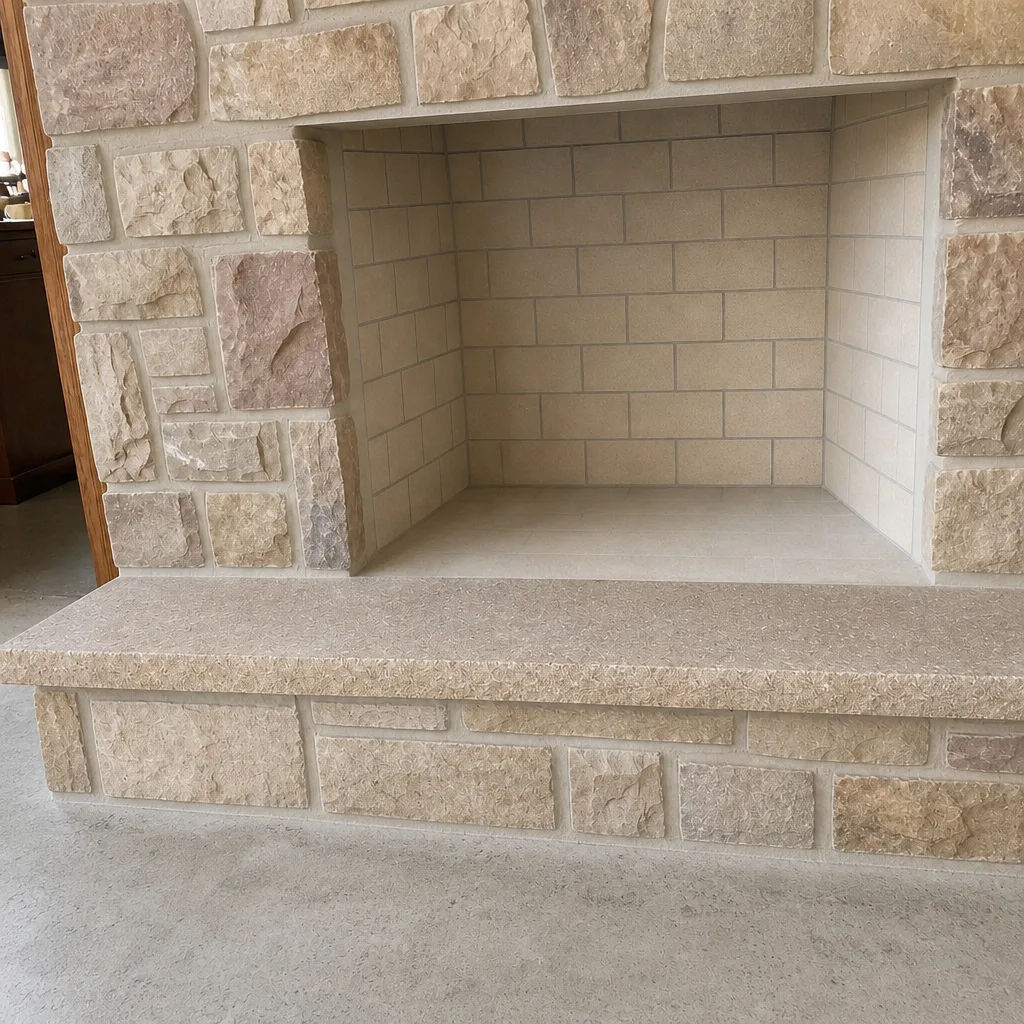
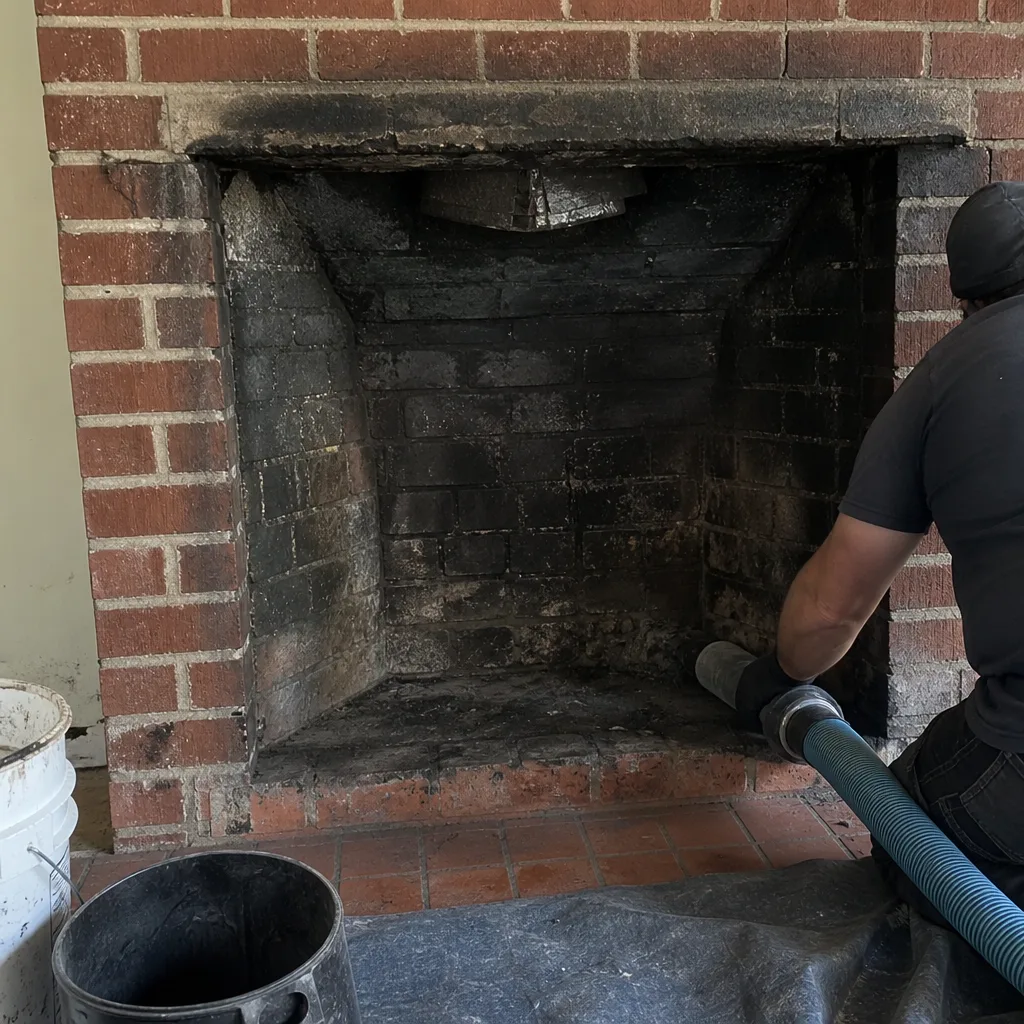
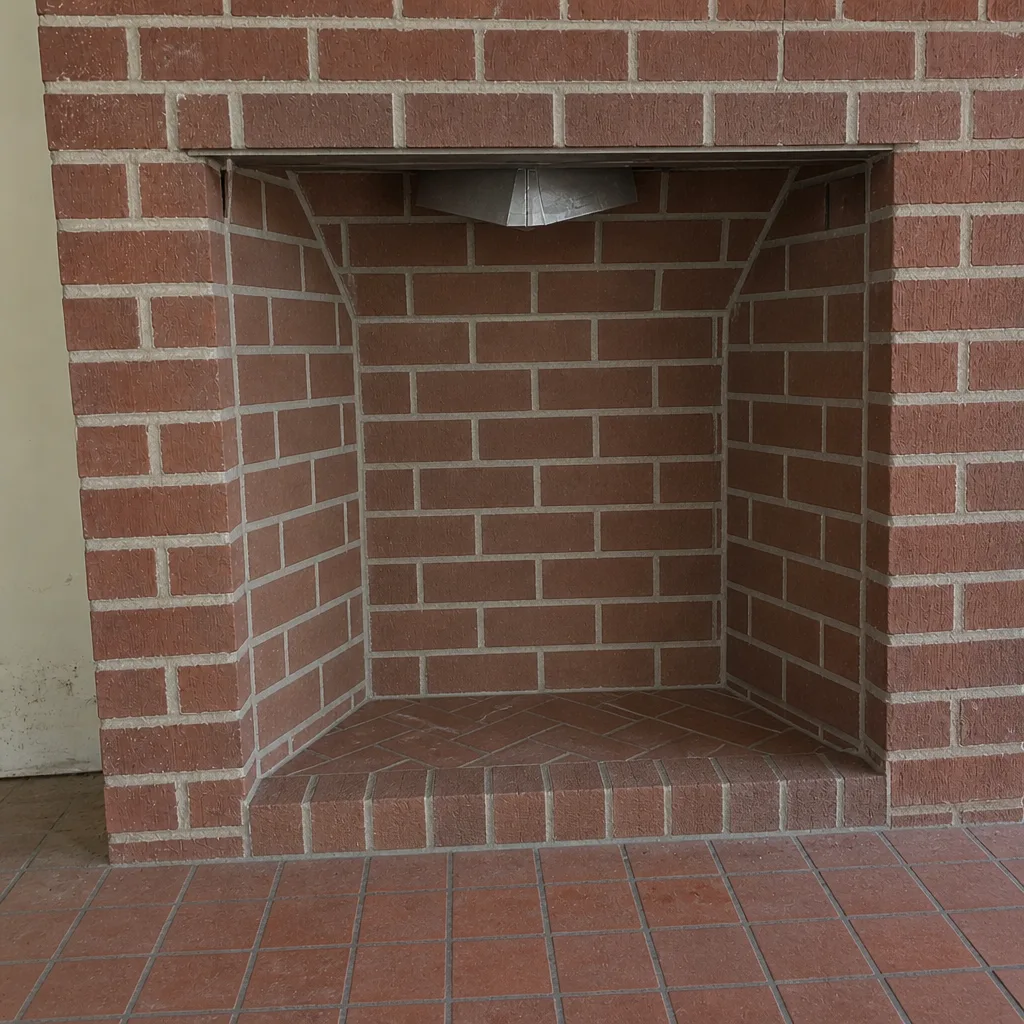
See the difference
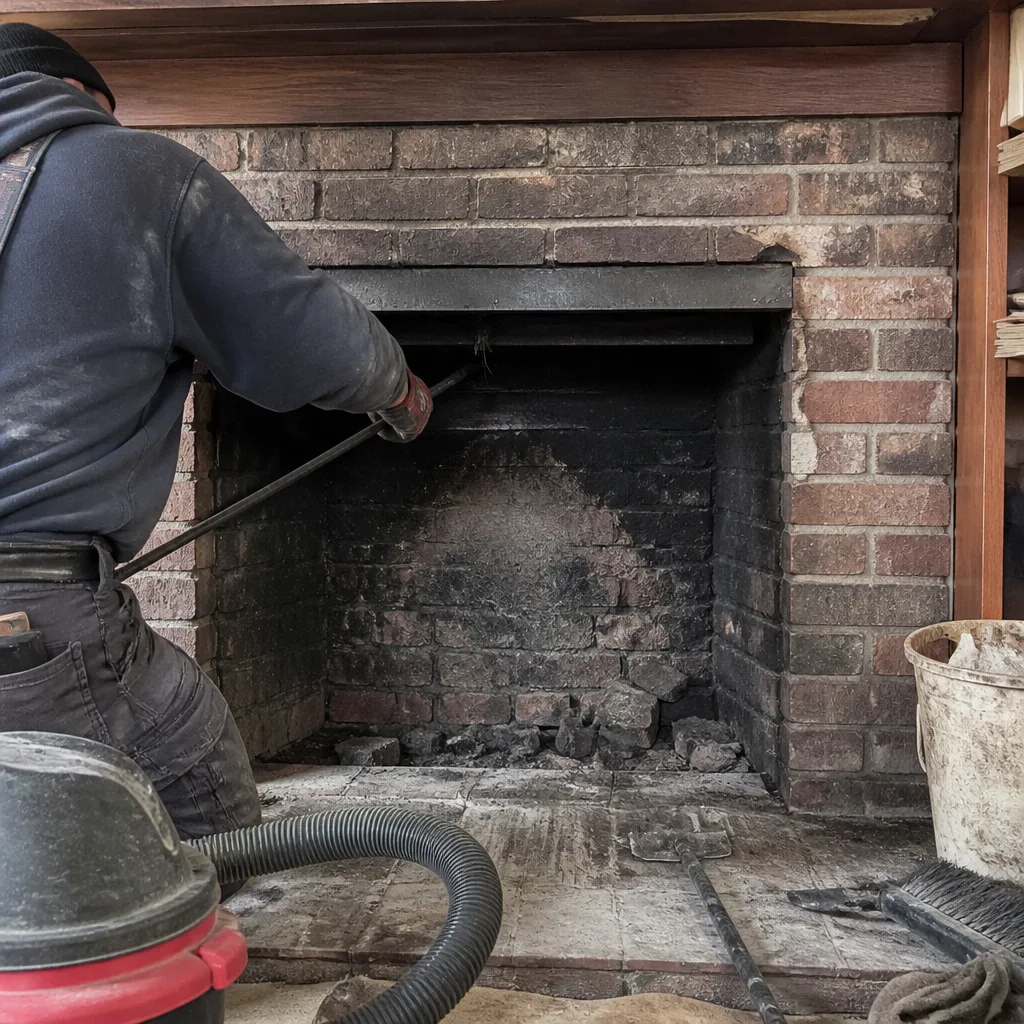 Before
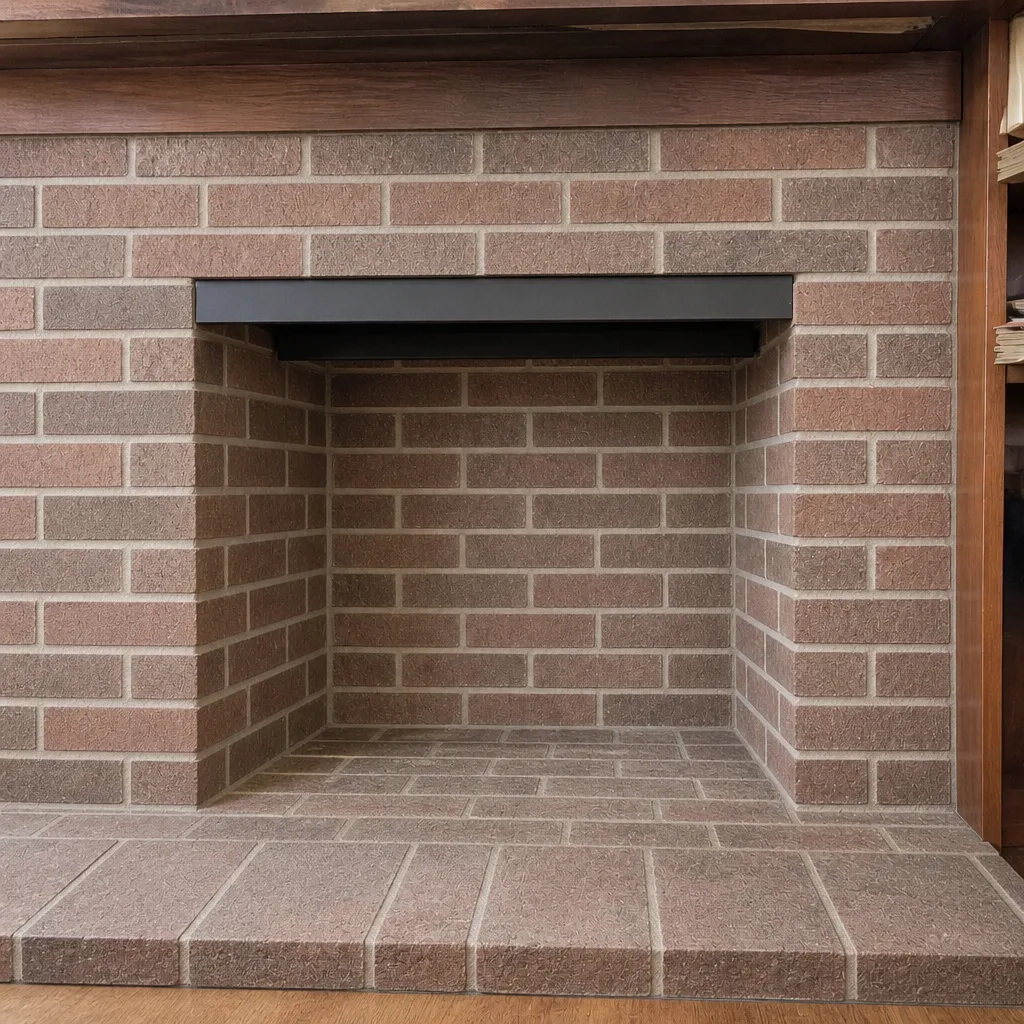 After
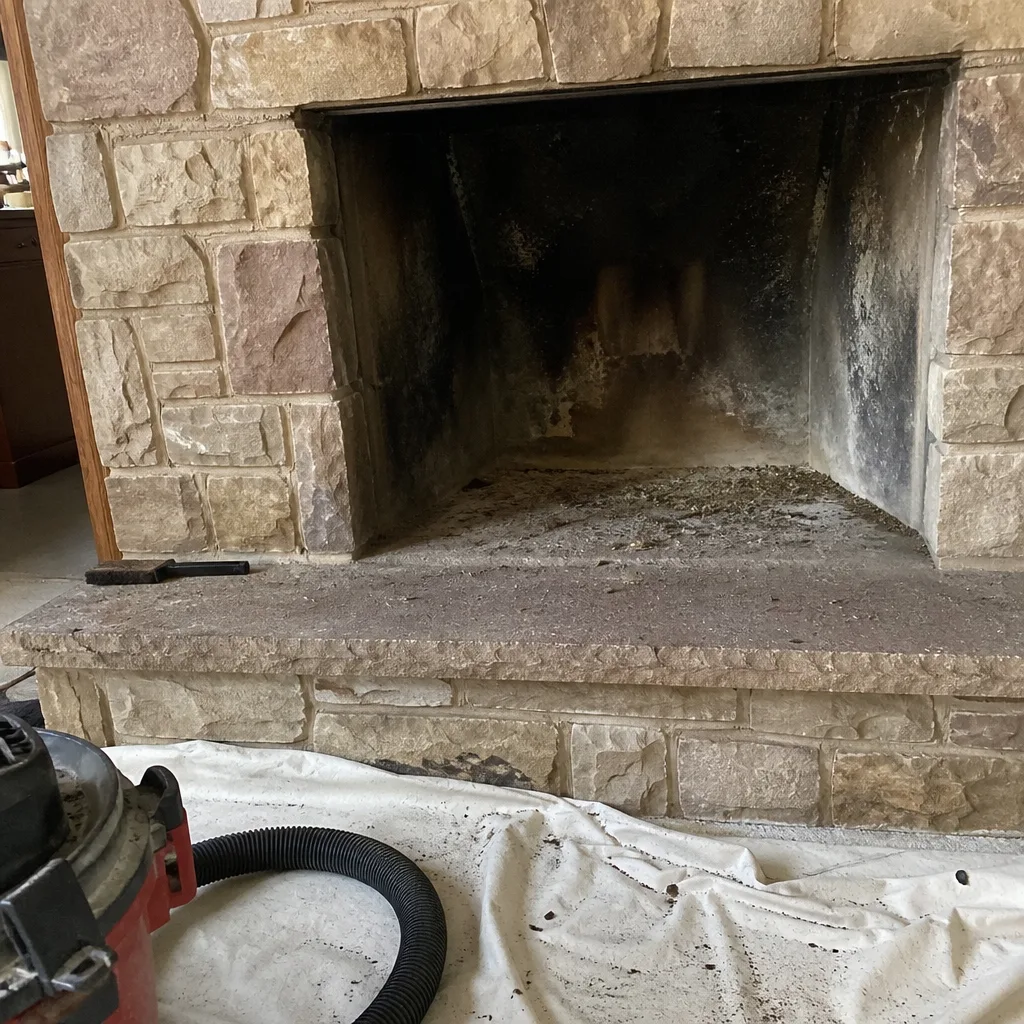 Before
 After
 Before
 After
When to Call a Professional
Call a professional if you see smoke spilling into the room on more than one occasion, if you notice chunks of clay or mortar in the firebox, if the damper won’t close all the way, or if you’ve had a chimney fire. Call before your first fire of the season on a home whose chimney you haven’t had inspected, especially a recently purchased older Milwaukee home with an unknown service history. You should also call if you see visible crown cracks, a damaged cap, or white staining on the brick from the ground. Each of these has a specific cause and a specific fix, and getting the diagnosis right early is what prevents the wrong repair.
Milwaukee Chimney Sweep offers free estimates in Milwaukee. Call (855) 935-4194. We answer 24/7. Fast dispatch from 7am to 7pm, Sunday through Friday, and we’re closed on Saturday, so a call that comes outside dispatch hours is booked into the next opening. Our technicians have up to 8 years of experience, and we handle the sweep, the inspection, and the repair with the same crew.
Frequently Asked Questions
A chimney sweep is priced per job by a written estimate, and the estimate is free, so the number depends on the flue condition and what the inspection turns up. What we can tell you is that we don’t send out a flat brush-and-go appointment when the symptom calls for a diagnostic inspection. Run the pre-call checklist above and describe what you find; that conversation is what lets us price the right appointment. Call (855) 935-4194 for a free estimate.
Not always. A full reline with a flexible system like DuraFlex or Olympia Chimney is the right answer for a badly compromised flue, but moderate tile damage can often be restored with HeatShield ceramic resurfacing, which rebuilds the interior without removing the existing liner. The decision is made from camera footage of the flue, not from the age of the chimney. Nothing gets recommended without evidence you can see, and we’ll tell you when a repair can safely wait. Call (855) 935-4194 for an exact quote.
A chimney used for wood burning should be checked annually, and swept when the creosote buildup reaches a level that warrants it. The right interval depends on how much you burn, how hot the fire runs, and how well the appliance and damper control airflow. Homes whose fireplace gets occasional winter use often need cleaning less often than a house that burns heavily all season. A yearly inspection is what determines whether a sweep is due. Call (855) 935-4194 to book an inspection and find out where your flue stands.
Smoke on windy days points to stack height, cap design, or a roofline that disrupts airflow at the termination, not to creosote in the flue. The wind creates positive pressure on one side of the chimney and negative pressure on the other, and a short stack or poorly designed cap can’t overcome it. A sweep won’t fix this, which is why a camera inspection and a look at the cap come first. Call (855) 935-4194 for a free estimate on the diagnosis.
Creosote, the residue of wood burning, builds up in the flue over time, and heavy glazed creosote is the fuel that chimney fires burn. A cracked flue tile left alone lets smoke and carbon monoxide escape into the wall cavity instead of out the stack. On a home you’ve just bought, an unknown service history means an unknown flue, which is exactly the case that calls for a Level 2 inspection rather than a guess. Call (855) 935-4194 to book an inspection and get a clear answer on your flue.
A sweep only fixes draft when the draft problem is caused by a physical blockage, and many draft problems aren’t. If the symptom is weather-dependent, appears when bathroom fans or kitchen hoods run, or shows up in a tightly sealed modern home, the cause is pressure and air starvation, not creosote. In our experience across Milwaukee, diagnosing the failure mode before booking is the step that prevents the wrong repair. Call (855) 935-4194 to describe your symptom and get a free estimate.
The Bottom Line
Most chimney complaints in Milwaukee trace back to one of five failure modes: creosote blockage, downdraft or negative pressure, cracked flue tile, a failed damper seal, or crown and cap damage. Match your symptom to the failure mode before you call, and you avoid the most common and expensive mistake, which is booking a sweep for a problem that a brush can’t touch. Watch the timing, the weather, and the ground-level condition. When the symptom is persistent, a Level 2 inspection with a camera is the fastest way to a correct diagnosis. We show up with the right material for the job, not just a brush, and we name what we find before recommending a fix.
For a free estimate on a sweep, inspection, or repair, call (855) 935-4194. We answer 24/7. Fast dispatch from 7am to 7pm, Sunday through Friday. Reach out to the team at Milwaukee Chimney Sweep and describe what your chimney is doing; we’ll help you sort the symptom from the cause before anyone schedules a visit.
Written by the team at Milwaukee Chimney Sweep.