
Last updated November 15, 2026
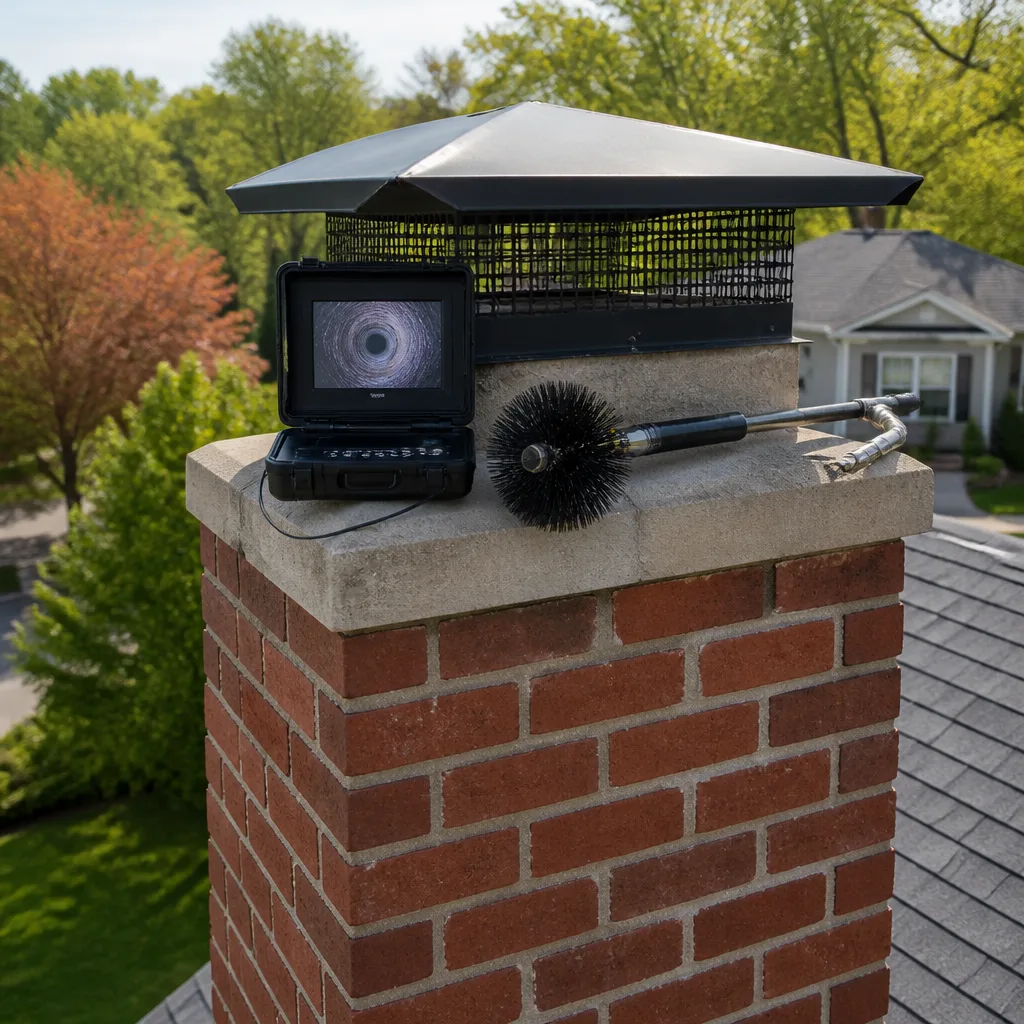 Sweep & inspection
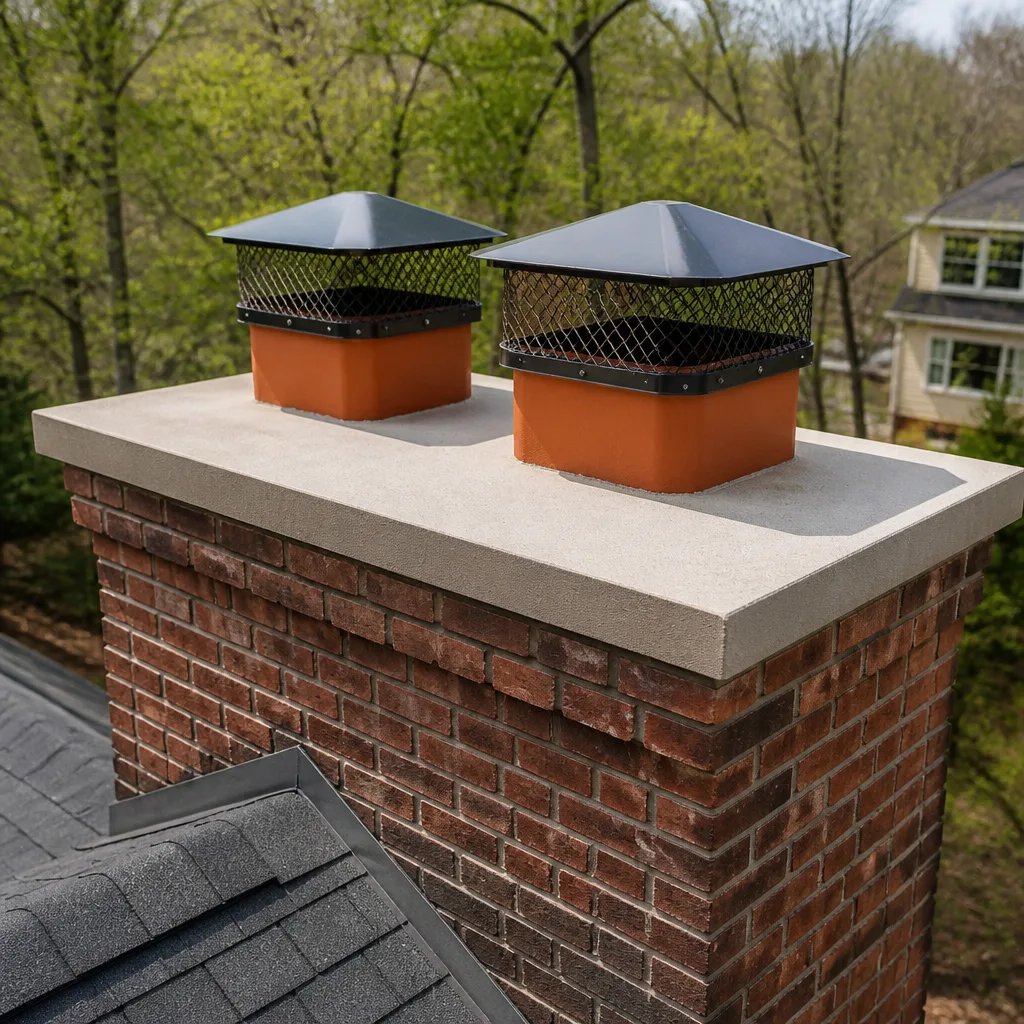 Caps & crowns
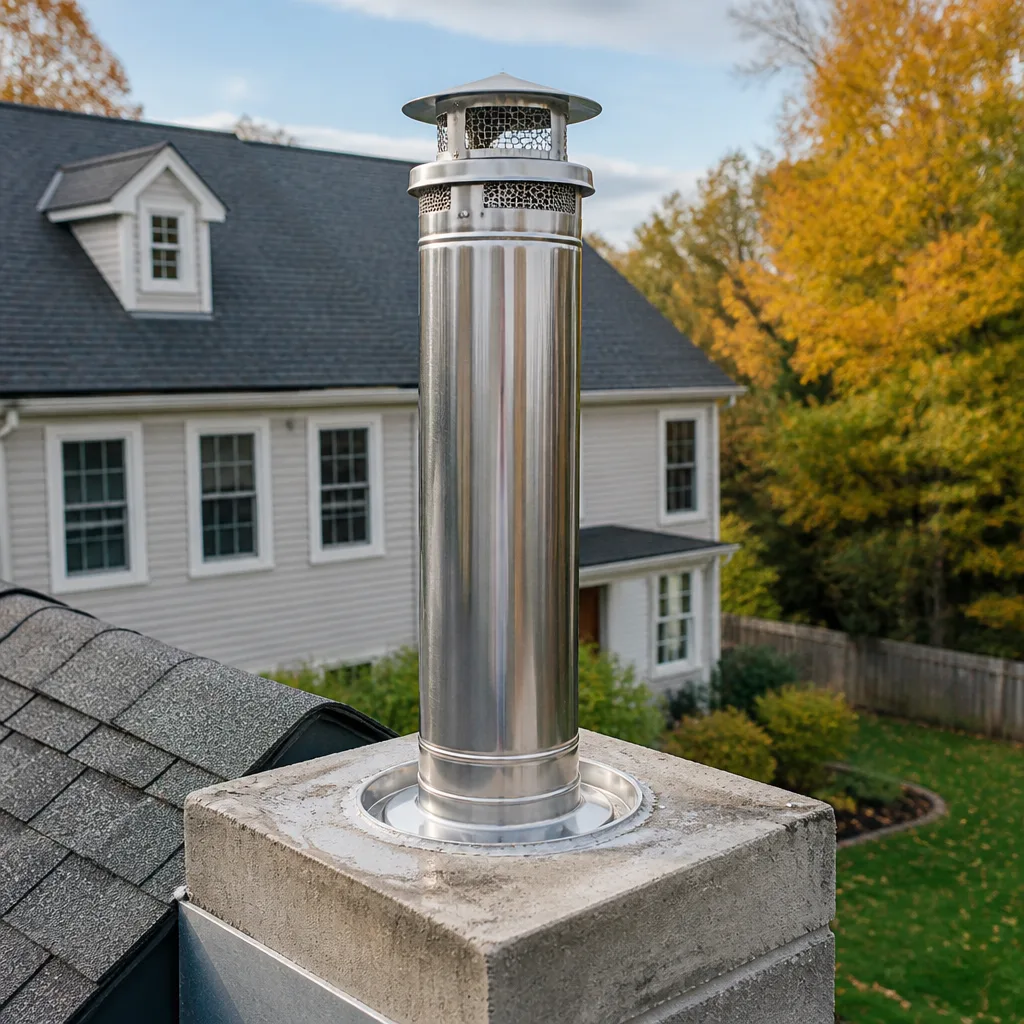 Flue relining
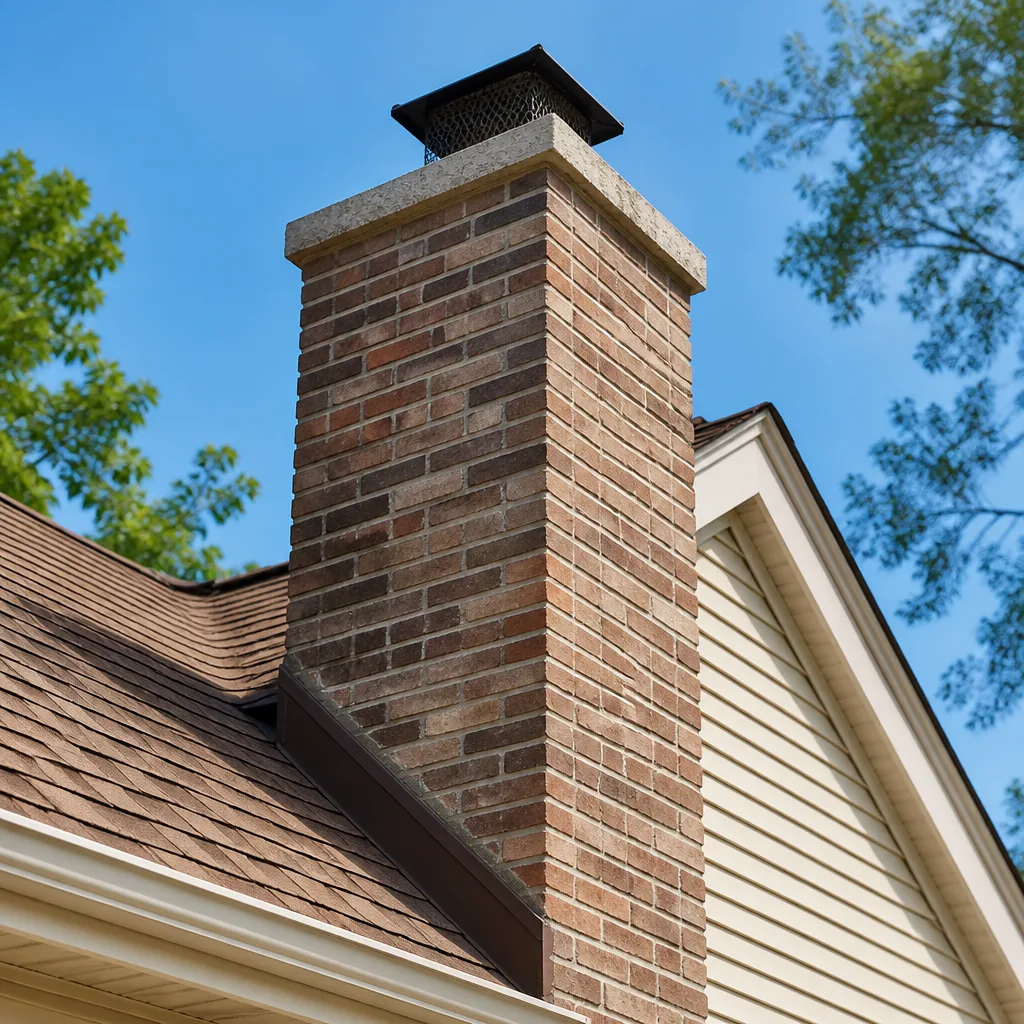 Masonry repair
 Gas fireplace service
Level 1 sweep and inspection to the NFPA 211 annual standard - flue, crown, cap, and flashing checked and photographed
Chimney sweep logs do not sweep chimneys. They loosen some creosote - which then falls where a brush and vacuum still have to collect it.
Chimney Cleaning Permits, Codes & Inspections in Milwaukee, WI: What You Need to Know
Most Milwaukee homeowners assume a chimney sweep is like a carpet cleaner – someone shows up, does the work, and nobody asks for paperwork. That’s true for a routine cleaning. But the moment a technician tells you the liner is cracked, the firebox needs rebuilding, or the cap has to be replaced, you’ve crossed into repair territory. And in Wisconsin, some of that repair territory requires a permit. The confusion is understandable because the line between maintenance and a permitted structural repair isn’t printed on any bill. This guide walks through where that line sits in Milwaukee, how the state code and national standards interact, what a Level 2 inspection actually means, and what to keep on file so a future insurance claim or home sale doesn’t stall. You’ll finish knowing what needs a permit, what doesn’t, and what to ask before anyone touches your chimney.
Quick Answer
A routine chimney cleaning in Milwaukee doesn’t require a permit – it’s maintenance. But relining a flue, rebuilding a firebox, replacing a chimney cap after storm damage, or any structural alteration to the chimney does fall under Wisconsin’s Uniform Dwelling Code and typically requires a permit through the City of Milwaukee. Your sweep should tell you before the work starts, not after, whether the job crosses that threshold.
Styles & brands we work with
- Sweep & inspection
- Caps & crowns
- Flue relining
- Masonry repair
- Gas fireplace service
Table of Contents
- Where Cleaning Ends and Permitted Repair Begins
- How NFPA 211 and Wisconsin’s Uniform Dwelling Code Fit Together
- What a Level 2 Inspection Legally Requires
- How to Request a City of Milwaukee Inspection and What Inspectors Look For
- Documentation to Keep on File
- Milwaukee-Specific Code and Climate Considerations
- How to Vet a Chimney Contractor in Milwaukee
- What Older Milwaukee Homes Commonly Show
Where Cleaning Ends and Permitted Repair Begins
This is the single question we field more than any other in Milwaukee, and it’s the one most homeowners get an incomplete answer to. The dividing line is structural. A routine sweep – brushing the flue, removing creosote and soot, checking the cap and damper – is maintenance. No permit is required, and none should be suggested. The work doesn’t alter the chimney’s structure, so it doesn’t trigger code review.
The moment a job becomes a structural repair, that changes. Wisconsin’s Uniform Dwelling Code treats work that alters the chimney’s structural integrity or changes its components as repair, not maintenance. In Milwaukee that includes:
- Relining a flue – installing a new liner or substituting an existing one with a different material or configuration
- Rebuilding or replacing a firebox – the masonry chamber where the fire actually burns
- Replacing a chimney cap after storm damage – where the crown or cap assembly needs structural reattachment or rebuild
- Repairing or replacing a crown – the concrete or masonry top that sheds water away from the flue
- Adding or altering a chimney – changing height, offset, or the number of flues served
- Capping or sealing an unused flue – when the change alters how the chimney terminates
A cleaning that turns up a hairline flue crack is a diagnosis, not a permit event. What you do about that crack might be. HeatShield ceramic resurfacing is one option that often restores a damaged flue without a full liner replacement – and whether it requires a permit depends on scope, which is exactly the conversation your contractor should have before the first brushstroke, not after the invoice.
How NFPA 211 and Wisconsin’s Uniform Dwelling Code Fit Together
Two separate rule sets govern chimney work in Milwaukee, and they don’t always speak in the same language. NFPA 211 is the national standard for chimneys, fireplaces, vents, and solid fuel-burning appliances. It sets the inspection levels, the clearance requirements, the condition standards, and the sweep frequency guidance that most of the trade runs on. Wisconsin’s Uniform Dwelling Code is the state’s own building code, and it’s what the local inspector actually enforces.
Here’s how they interact in practice:
- NFPA 211 sets the standard; the UDC adopts and enforces it. Wisconsin’s code incorporates NFPA 211 as the reference for chimney construction and condition. When your inspector cites a code section, the underlying standard is NFPA 211.
- NFPA 211 defines inspection levels; the UDC applies them to permitted work. A Level 1, Level 2, or Level 3 inspection isn’t optional in the UDC – it’s the evidence the inspector uses to sign off on a permitted repair.
- Clearances and materials live in NFPA 211. When a liner job is rejected, it’s often because the new liner didn’t meet the clearance or material standard NFPA 211 requires – which is why we specify DuraFlex or Olympia Chimney liner systems built to that standard rather than whatever’s on the shelf.
- The UDC is what makes a repair a permit event. NFPA 211 alone doesn’t require a permit. It’s the state code that turns a structural chimney repair into a permitted project.
One practical consequence: a contractor who can recite NFPA 211 but has never pulled a permit in Milwaukee is a contractor who may not understand when the UDC kicks in. In Milwaukee, that distinction is the difference between a clean project and an unpermitted one sitting in your file.
What a Level 2 Inspection Legally Requires
A Level 2 inspection is the one most often triggered by circumstances rather than choice. Under NFPA 211 – and adopted by reference in Wisconsin’s UDC for permitted work and certain events – a Level 2 inspection is required when a chimney changes hands, changes use, or has experienced a potentially damaging event. That includes:
- A home sale – a Level 2 inspection is the standard expectation before a property transfers, and it’s the level most insurance underwriters want to see
- An insurance claim – a fire, a lightning strike, a chimney fire, or storm damage that affects the chimney usually requires Level 2 evidence
- A chimney fire – any suspected or confirmed fire inside the flue triggers Level 2 requirements before the chimney can be returned to service
- A change in fuel type or appliance – switching from wood to gas, or installing a new insert or appliance, changes the venting requirements
- A permitted repair – the inspector reviewing a relining or rebuild typically requires Level 2 evidence as part of the application packet
A Level 2 inspection isn’t just a visual scan with a flashlight. It requires access to all accessible portions of the chimney, including the attic, crawl space, and any concealed areas, and it typically includes video scanning of the flue interior. A Level 1 is a visual inspection of readily accessible areas during a routine sweep. A Level 3 is a full investigation that can involve opening walls or removing components, and it’s only required when a Level 1 or 2 identifies a hidden defect. If a Milwaukee contractor quotes you a Level 2 and delivers only a flashlight look, you’ve been sold a Level 1 at a Level 2 price. In Milwaukee, that’s the single most common inspection shortfall we see.
How to Request a City of Milwaukee Inspection and What Inspectors Look For
When a permitted chimney repair is complete, the City of Milwaukee inspector reviews it before the permit is closed. That inspection is what makes the repair legally documented. The steps are straightforward, though they differ slightly by project scope:
- Pull the permit before work begins. The permit application identifies the property, the scope of repair, and the licensed contractor performing the work. Permits pulled after the fact are the ones that jam up a home sale.
- Keep the approved plans and scope on site. The inspector will compare what’s built to what was approved. A relining job that changes liner material or diameter mid-project needs to be reflected in the application.
- Complete the work to the approved scope. Nothing beyond the permitted scope should be performed without an amended permit. This is where unpermitted extras sneak in.
- Request the inspection through the City of Milwaukee DSPS. Wisconsin’s Department of Safety and Professional Services handles commercial and multi-family work, while the city’s own building inspection department handles one- and two-family dwellings. The application tells you which applies.
- Have documentation ready for the inspector. Product spec sheets for the liner or cap system, the inspection level performed, and the installation record for the new materials. Inspectors look for the system installed to its manufacturer’s spec, not a substitute.
- Keep the signed inspection card. The approved card and the permit closure are your proof of a legal repair. Copy them to the property file at close.
The inspectors we work alongside pay close attention to two things: whether the installed liner or cap is the manufacturer’s specified system, and whether the clearances to combustibles meet NFPA 211. Using DuraFlex or Olympia Chimney liner systems and Famco or Gelco caps installed to spec is how a job passes the first inspection rather than the second.
Documentation to Keep on File
Most Milwaukee homeowners discover documentation matters only when a claim or a sale is already underway. The paper trail is what protects you. Keep these records together in one file, digital or physical:
- Sweep and inspection reports – dated, with the inspection level noted and the technician’s findings written out, not just a checkbox
- Photos and video of the flue interior – the camera evidence from each inspection, with the date
- Permit application and approved inspection card – for any structural repair, including relining, firebox rebuild, crown repair, and cap replacement
- Product documentation – the spec sheet for the installed liner, cap, or resurfacing product, including manufacturer and system
- Contractor invoice – showing scope of work, materials used, and date completed
- Insurance correspondence – any claim-related inspection or repair documentation, especially after a chimney fire or storm event
This file matters because it’s what an insurance adjuster or a buyer’s inspector actually reviews. A fire claim that reveals an unpermitted liner installation can become a coverage dispute, not just a repair bill. An unpermitted firebox rebuild can delay or derail a closing. The documentation is cheap to keep and expensive to reconstruct.
Milwaukee-Specific Code and Climate Considerations
Milwaukee’s climate stresses chimneys in ways warmer markets don’t see. The deep freeze-and-thaw cycle that runs from late fall into early spring works on masonry constantly. Water gets into mortar joints, freezes, expands, and opens the joint a little wider each season. That’s why crown repair and masonry repointing are such common findings on older Milwaukee homes, and why a cleaning that turns up a deteriorating crown should get a repair conversation, not a shrug.
The cold also compounds creosote. Wood burned in a cold flue condenses more creosote than wood burned in a warm one, and Milwaukee’s long heating season means more deposits accumulate per season than in milder markets. That raises the real reason for annual sweeping: not the code, but the fire risk. A glazed creosote deposit that ignites is a chimney fire, and a chimney fire is what Level 2 inspection exists to find and what your documentation file should capture.
On the code side, the City of Milwaukee enforces the state’s Uniform Dwelling Code for one- and two-family dwellings, which is where most homeowners land. Multi-family and commercial work routes through Wisconsin DSPS. The practical upshot: a single-family homeowner in Milwaukee should ask their contractor which permit jurisdiction applies before any structural repair, and should expect the contractor to know the answer without looking it up.
How to Vet a Chimney Contractor in Milwaukee
Most of the permit and documentation trouble we see started with a contractor decision, not a code decision. A few questions separate the contractors who know the rules from the ones who learn them on your project:
- Ask whether the job requires a permit before you book. A contractor who can’t answer that on the phone hasn’t pulled enough permits in Milwaukee.
- Ask what inspection level the work requires and why. Level 1, 2, and 3 aren’t interchangeable, and the answer should reference the situation, not the package.
- Ask what materials they’ll install and who manufacturers them. If the answer is vague, keep looking. A professional specifies HeatShield for liner resurfacing, DuraFlex or Olympia Chimney for relining, and Famco or Gelco for caps and covers, because those are the products their install documentation is written around.
- Ask whether the same crew that inspects will do the repair. When diagnosis and repair are separated, the repair scope gets inflated or the diagnosis gets softened. One crew, one accountability line.
- Ask for the written report and photos before you approve work. Nothing gets recommended that the camera doesn’t show, and any contractor who won’t show you the evidence is one to walk away from.
- Ask what happens after the repair. A permitted repair should close with an inspection card. An unpermitted repair closes with an invoice and a future problem.
We’ve had technicians with up to 8 years of experience on both sides of this conversation, and the pattern holds: homeowners who ask these questions before booking rarely end up in the unpermitted-repair situation. The questions cost nothing. The cleanup costs plenty.
What Older Milwaukee Homes Commonly Show
Buyers of older Milwaukee homes tend to inherit chimney systems that have been through several renovations and at least one era of deferred maintenance. The findings we see most often fall into a few categories, and each has a permit implication worth knowing:
- Clay tile liners with cracked or spalled sections – common in homes built before the widespread adoption of modern liner systems. Cracks need evaluation for relining or resurfacing; the repair scope determines whether a permit applies.
- Undersized flues serving modern appliances – a flue sized for an old wood stove may not properly vent a newer insert or appliance. Resizing or relining is a structural change and a permitted repair.
- Deteriorated crowns and missing caps – the most common storm-damage call in Milwaukee. Cap replacement after wind damage often requires structural reattachment, which is a permitted repair.
- Unpermitted prior relining – a surprising number of older homes carry a liner job from a previous owner with no permit record. This surfaces during a sale inspection and needs a Level 2 to document current condition.
- Firebox mortar erosion – the firebox takes the direct heat, and older masonry fireboxes commonly show joint erosion. A rebuild is structural and permitted.
None of these are reasons to panic. They’re reasons to get the inspection on record before a sale or claim forces the issue. If you’re buying in Milwaukee and the inspection report is thin, that’s worth a conversation before closing.
Common Mistakes to Avoid
- Assuming “cleaning” covers everything. A sweep is maintenance; a relining or firebox rebuild is a permitted repair. Ask which one you’re getting before you book.
- Skipping the permit to save time. An unpermitted structural chimney repair stays in the property record and follows the house. It’s the most expensive shortcut in the trade.
- Accepting a “Level 2” that’s really a Level 1. If the inspection didn’t include video scanning and access to concealed areas, you didn’t get a Level 2.
- Not keeping the inspection card. The signed permit card is your proof of a legal repair. Without it, a future buyer or adjuster assumes the worst.
- Letting a generalist handyman handle a liner job. Liner specification and clearance requirements are specialized. The right material for the job is not interchangeable.
- Waiting for a chimney fire to trigger the inspection. A Level 2 after a fire is the expensive path. Annual sweeping and inspection is the inexpensive one.
- Ignoring the cap because it “still looks fine.” A storm-damaged cap lets water and animals into the flue. Replacement is a small repair now and a large one later.
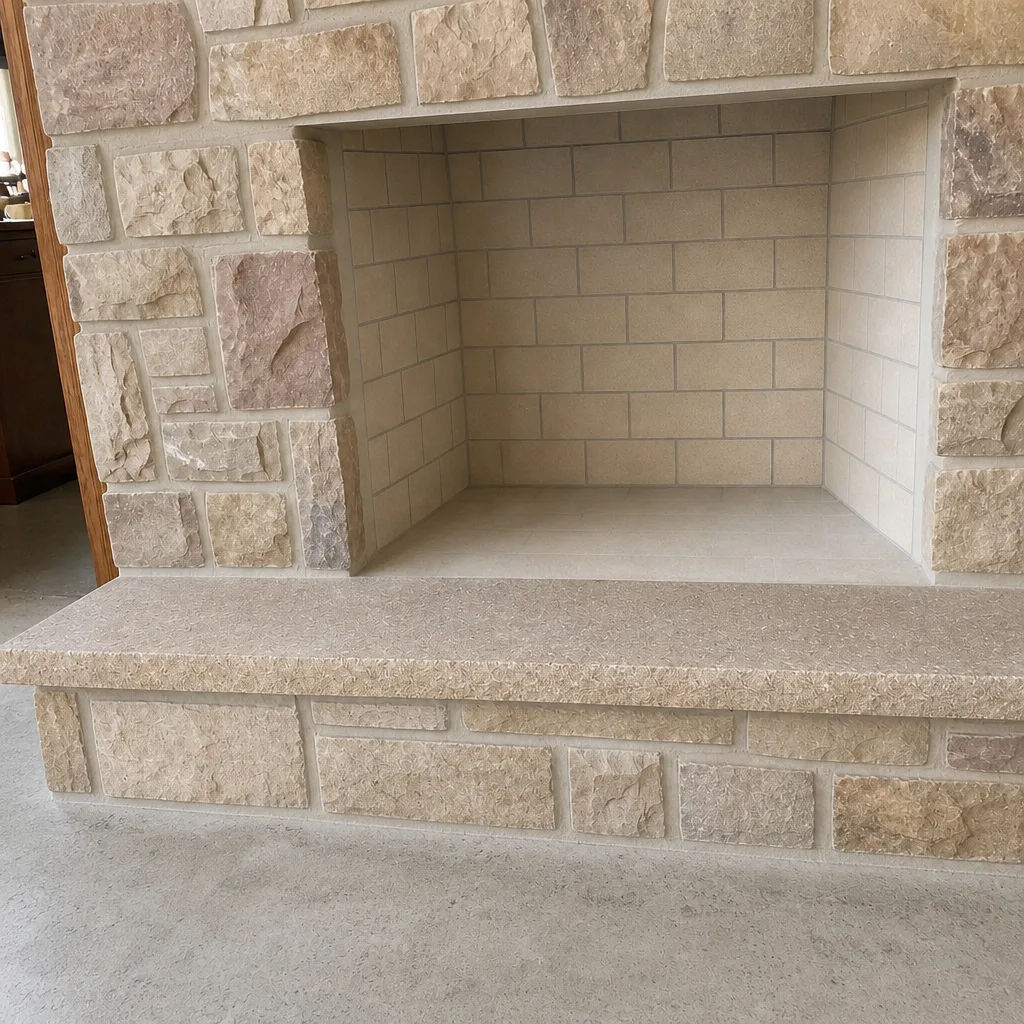
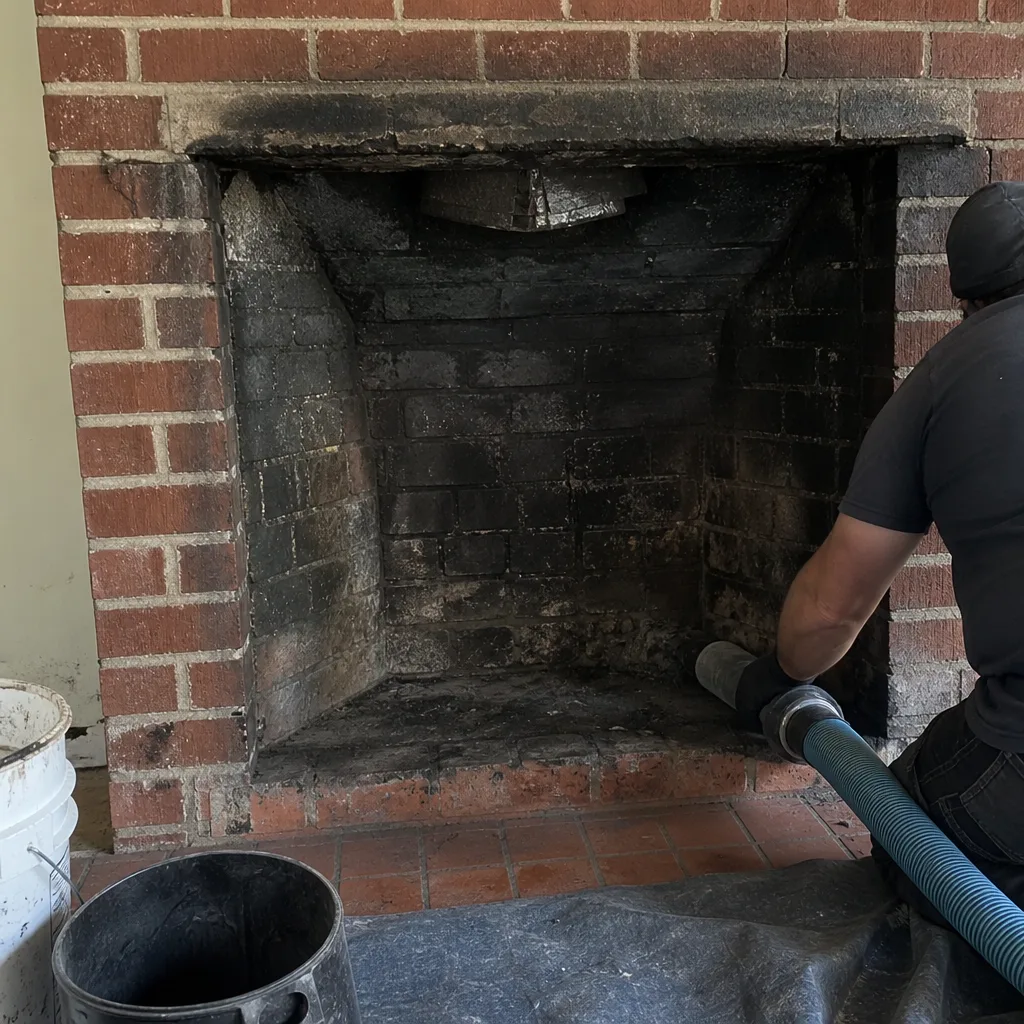
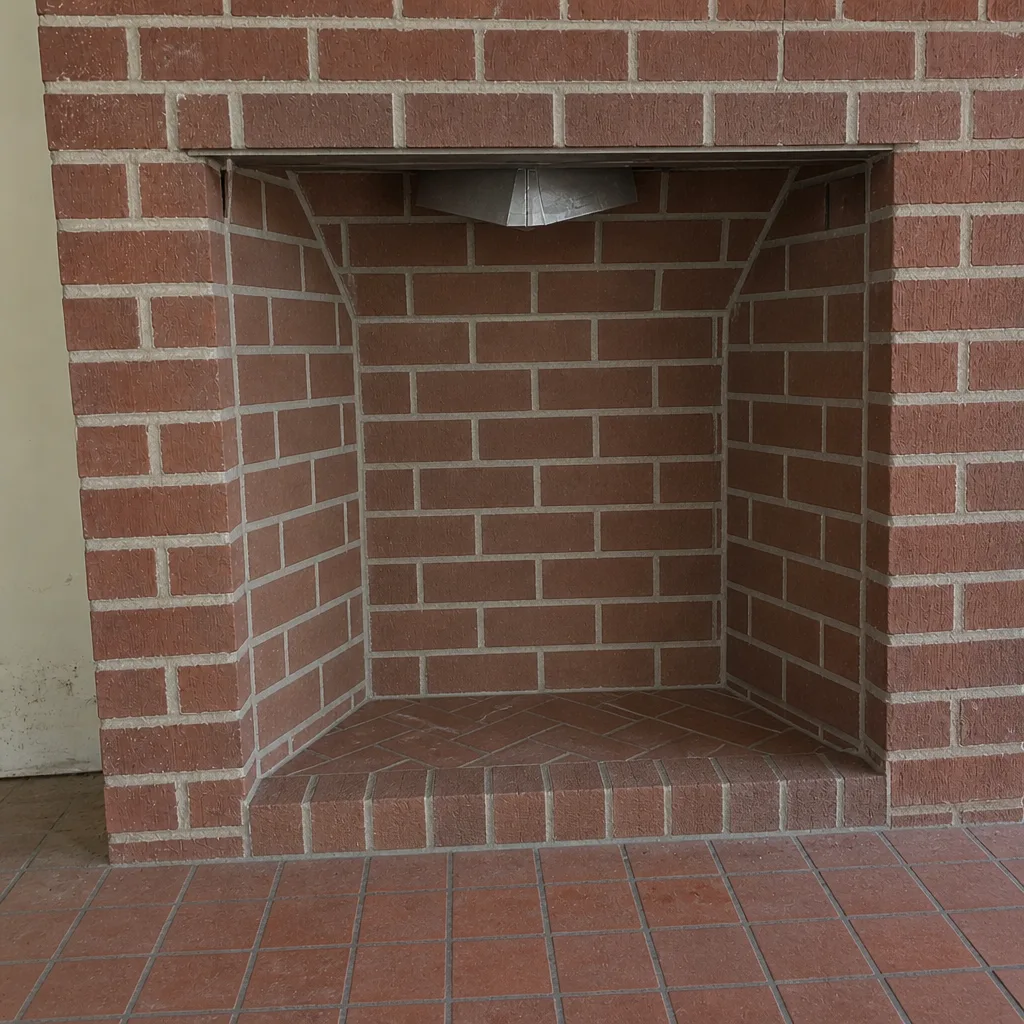
See the difference
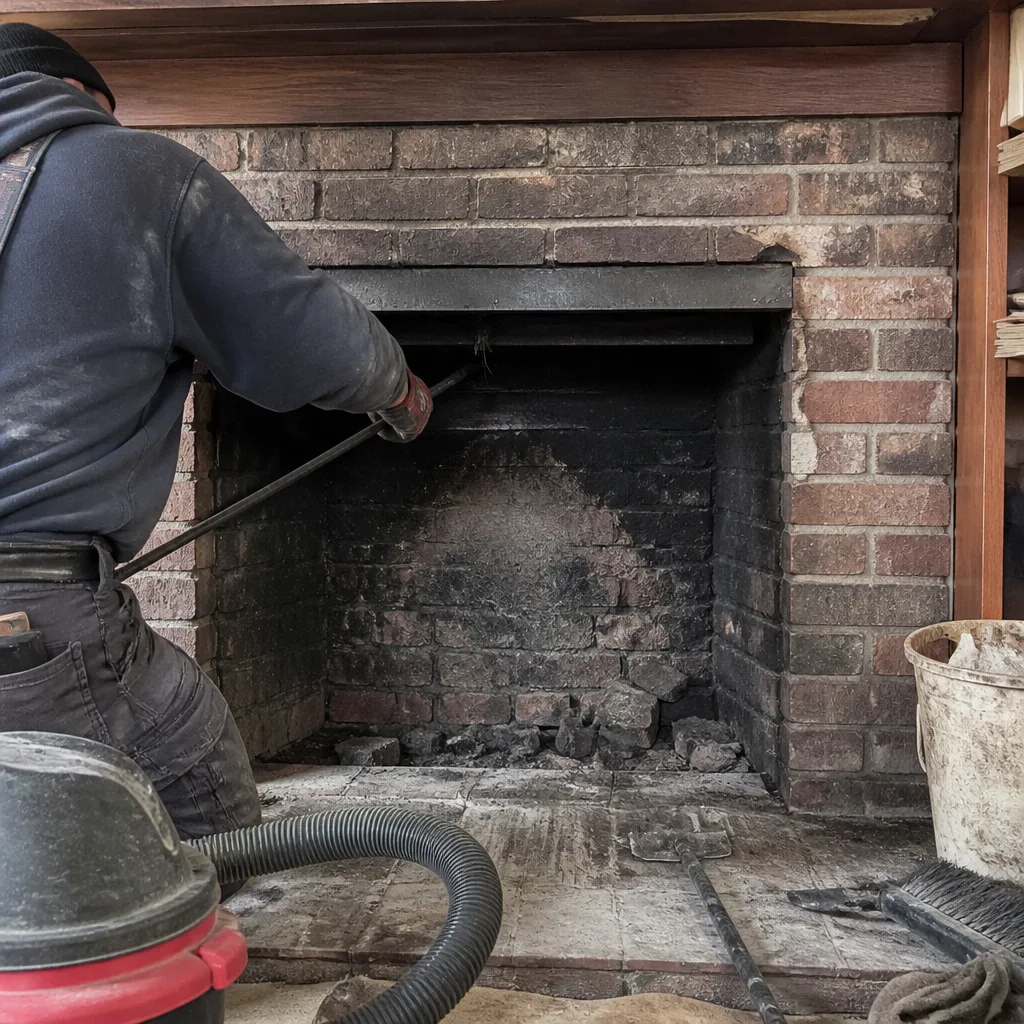 Before
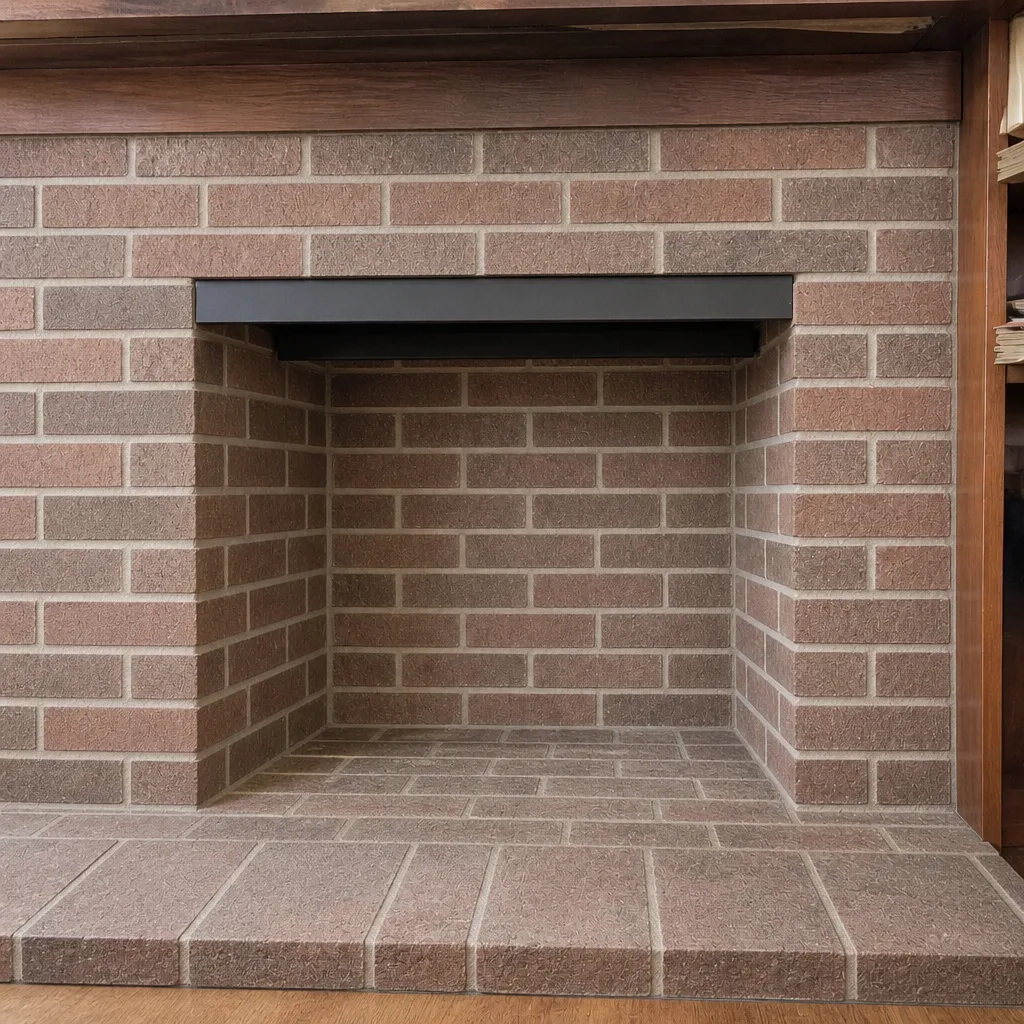 After
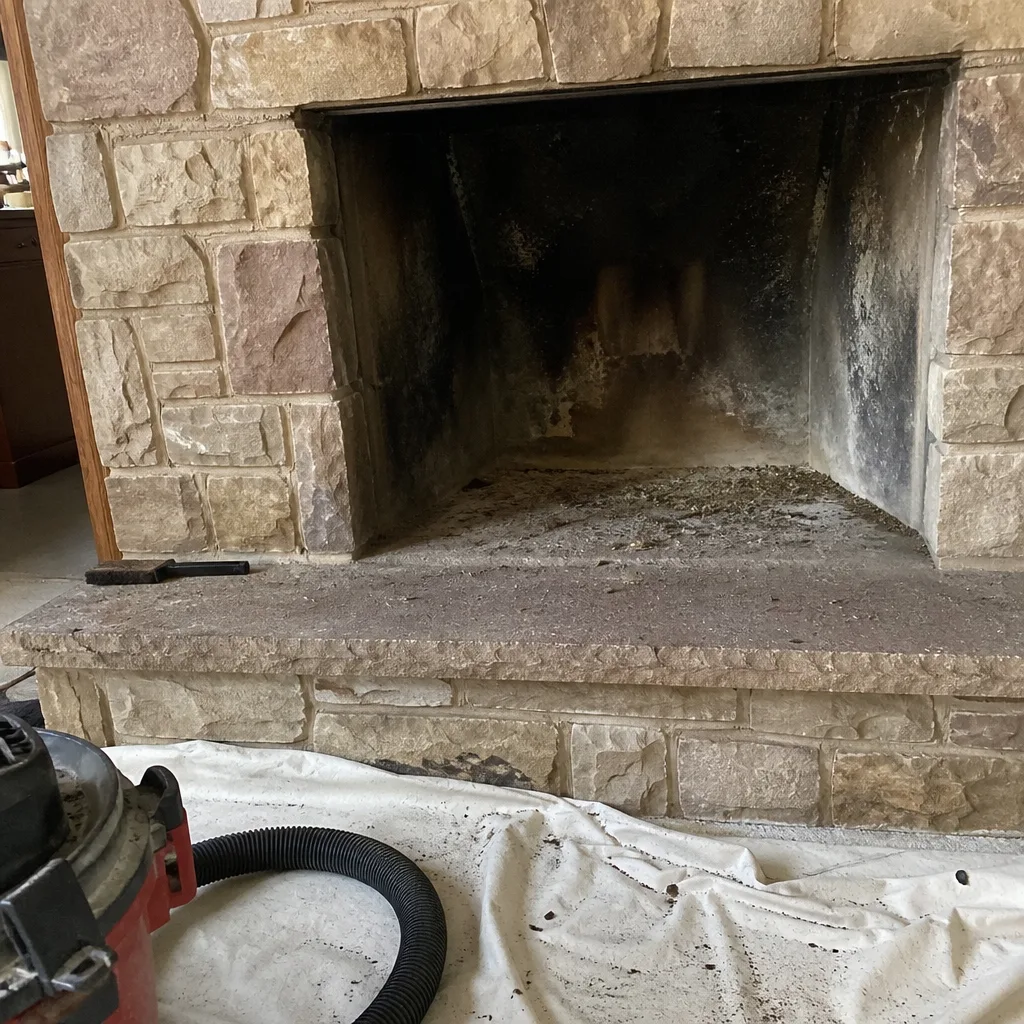 Before
 After
 Before
 After
When to Call a Professional
Some chimney work is maintenance you can schedule at your convenience. Other work needs a professional before it gets worse. Call us when you’ve had a chimney fire, even a small one, because a Level 2 inspection is required before the chimney returns to service. Call when a home inspection turns up a liner issue, because the repair scope determines the permit and the timeline. Call when you’re buying or selling a home in Milwaukee and the chimney report is missing or thin. Call when a cap has come loose or off in a storm. And call when it’s simply been a season or two since the last sweep and you want the flue on record.
Milwaukee Chimney Sweep offers free estimates in Milwaukee – call (855) 935-4194. We answer 24/7. Fast dispatch from 7am to 7pm, Sunday through Friday.
Frequently Asked Questions
No. A routine chimney cleaning is maintenance and doesn’t require a permit in Milwaukee. A permit is triggered only when the work becomes a structural repair – relining, firebox rebuild, crown repair, or a structural cap replacement. Call (855) 935-4194 for an exact quote on any scope of work – estimates are free.
A Level 1 is a visual inspection of readily accessible areas during a routine sweep, a Level 2 adds video scanning and access to concealed areas like the attic and crawl space, and a Level 3 involves opening walls or removing components when a hidden defect is suspected. A Level 2 is the standard after a home sale, insurance claim, or chimney fire. Call (855) 935-4194 to book the inspection level your situation requires – estimates are free.
Yes. Under Wisconsin’s Uniform Dwelling Code, relining a flue is treated as a structural repair, not maintenance, and requires a permit through the City of Milwaukee. The permit is what makes the repair legally documented for a future insurance claim or home sale. Call (855) 935-4194 to talk through the permit scope before you book – estimates are free.
Keep the permit application, the signed inspection card, the contractor invoice, product spec sheets for the installed liner or cap, and the inspection report with photos. That file is what a buyer’s inspector or insurance adjuster actually reviews. Call (855) 935-4194 for a repair scope that comes with the documentation – estimates are free.
It can. An unpermitted structural chimney repair can become a coverage dispute after a fire claim, because the adjuster has no record of a legal installation. Keeping the permit and inspection card on file is the protection. Call (855) 935-4194 if you’re not sure whether a prior repair was permitted – estimates are free.
It depends on the finding. A hairline flue crack with no evidence of deterioration may safely wait with monitoring, but a cracked liner serving a wood appliance, a deteriorated firebox, or a damaged crown shouldn’t wait through a Milwaukee winter. Nothing gets recommended without camera evidence you can see for yourself, and we’ll tell you plainly when work can safely wait. Call (855) 935-4194 for an exact quote – estimates are free.
The Bottom Line
The permit question comes down to one distinction: maintenance vs. structural repair. Routine chimney cleaning in Milwaukee stays maintenance, no permit required. Relining, firebox rebuilds, crown repair, and structural cap replacement are permitted repairs under Wisconsin’s Uniform Dwelling Code. NFPA 211 sets the standard for how those repairs are built and inspected, and the City of Milwaukee enforces it. Keep the paper trail – inspection reports, photos, permit cards, product spec sheets – because it’s your proof when a claim or a sale needs it. And ask the permit question before work begins, not after. If you’re due for a sweep, an inspection, or a repair scope, call (855) 935-4194 for a free estimate. We answer 24/7. Fast dispatch from 7am to 7pm, Sunday through Friday.
For a full view of what we handle, start at Milwaukee Chimney Sweep. Ready to schedule? Book a chimney sweep, review our chimney repair scope, or see how we work across Milwaukee.
Written by the team at Milwaukee Chimney Sweep.