
Last updated November 15, 2026
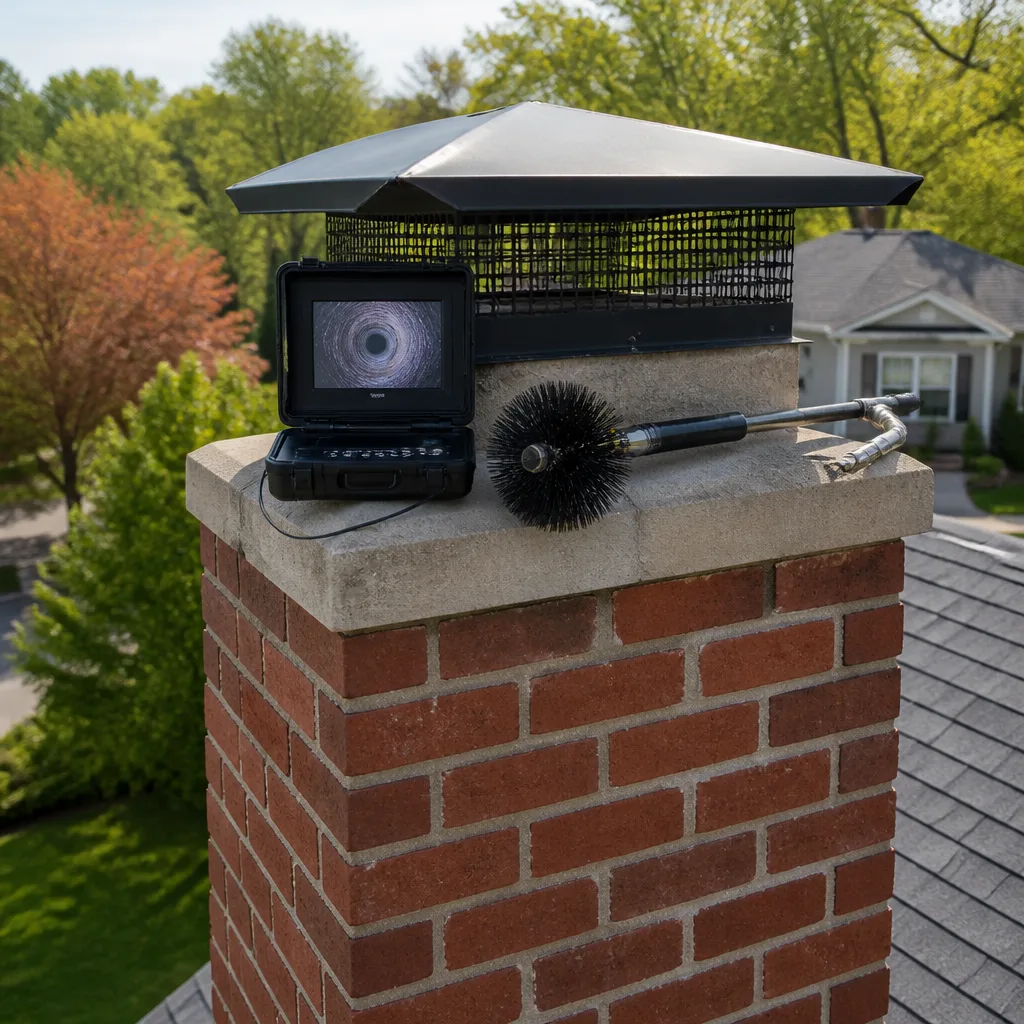 Sweep & inspection
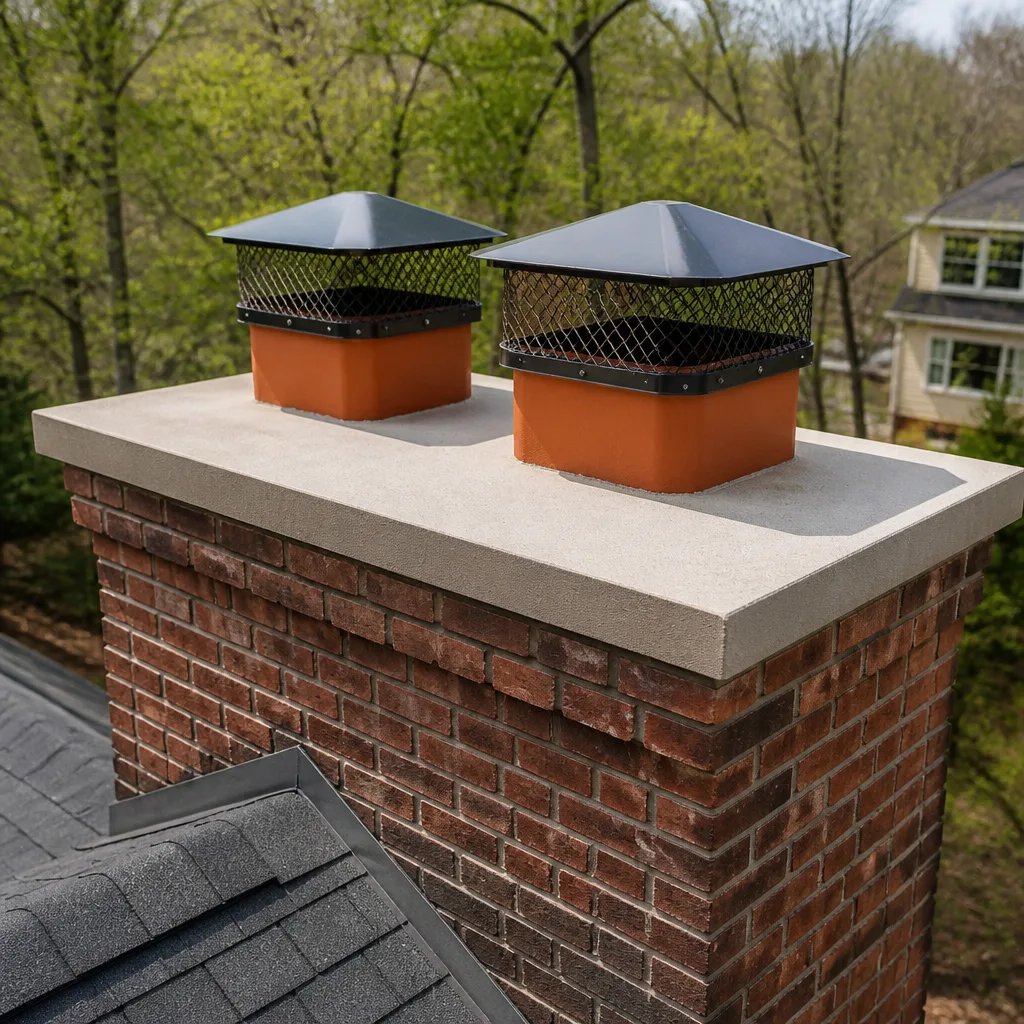 Caps & crowns
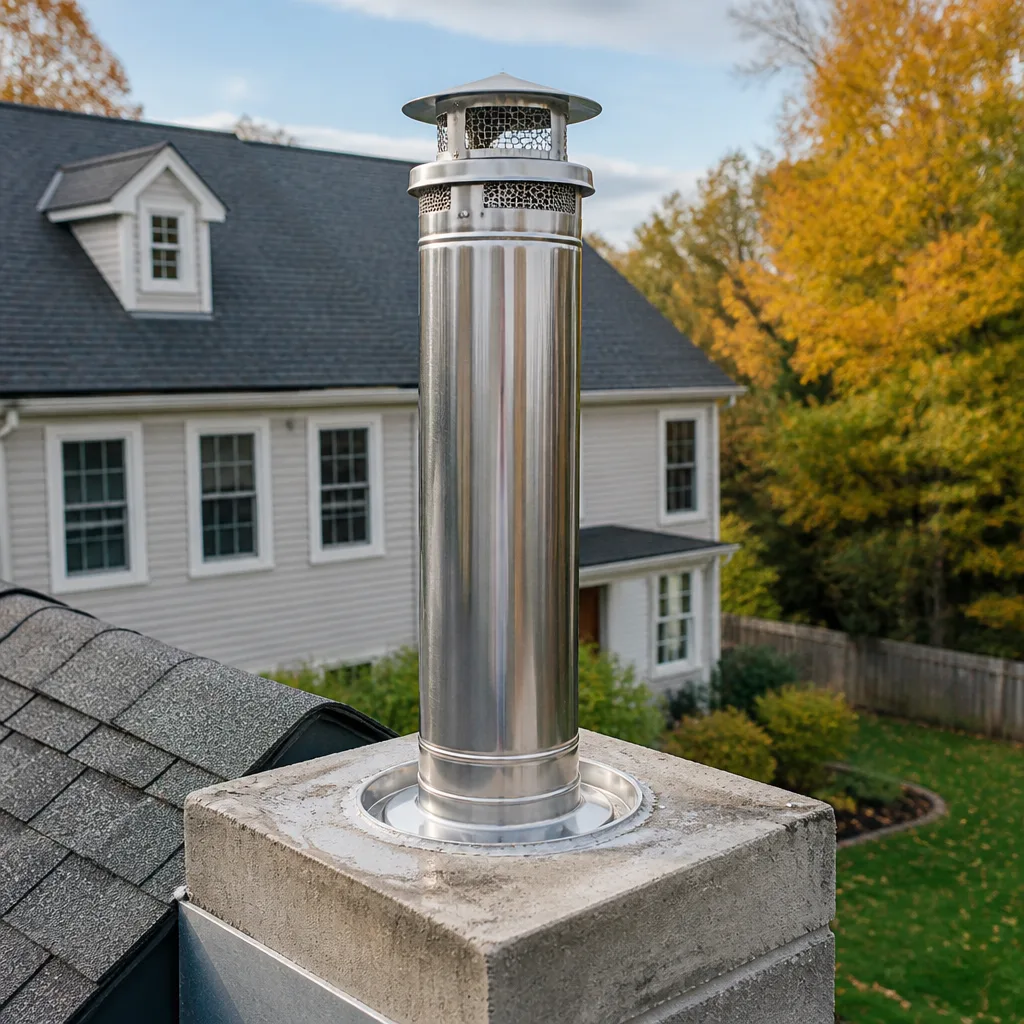 Flue relining
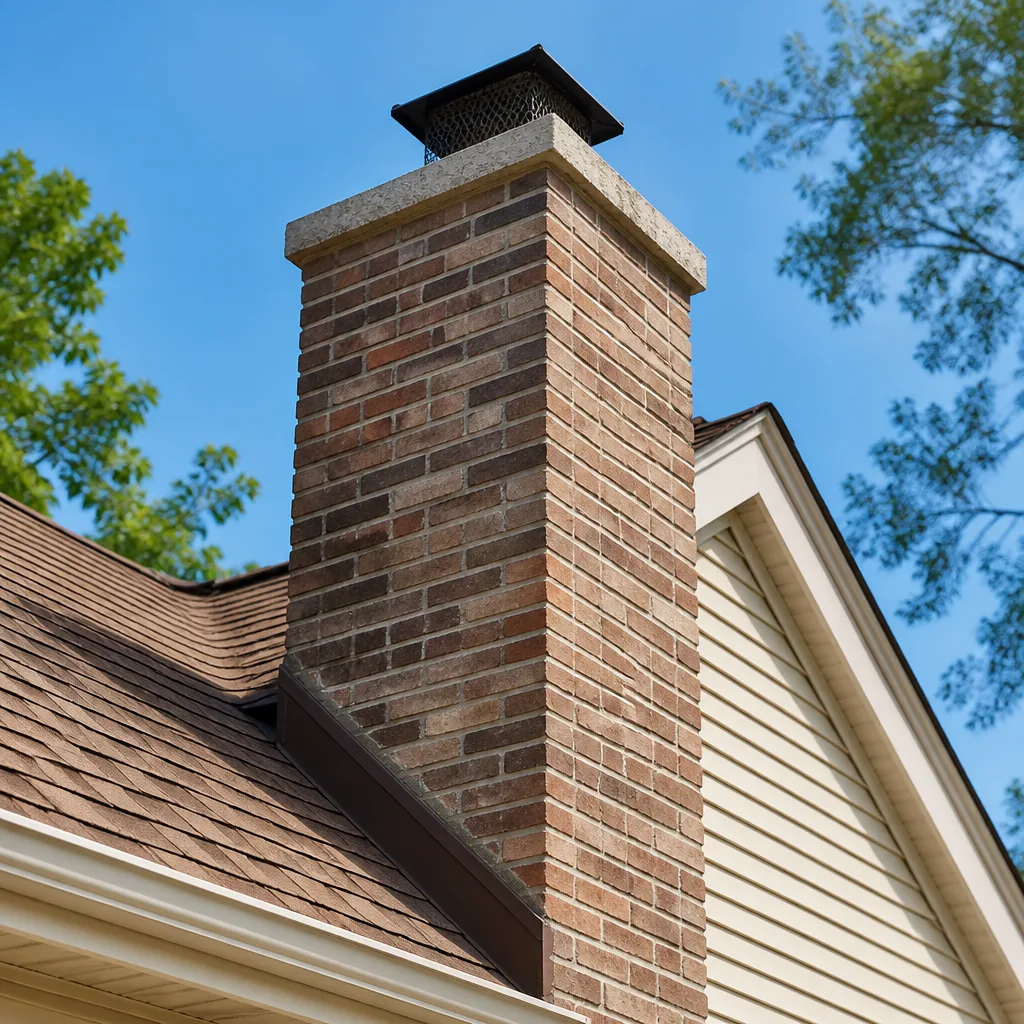 Masonry repair
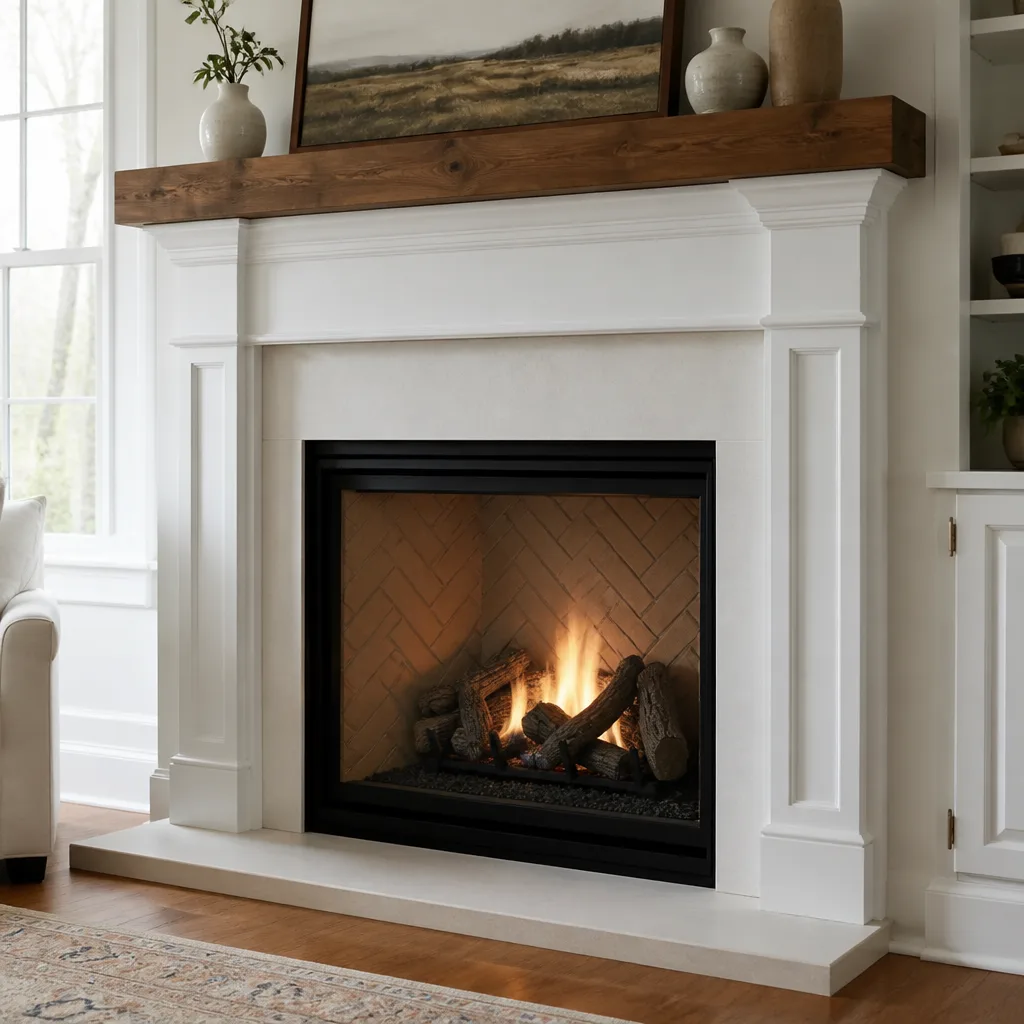 Gas fireplace service
Level 1 sweep and inspection to the NFPA 211 annual standard - flue, crown, cap, and flashing checked and photographed
Chimney sweep logs do not sweep chimneys. They loosen some creosote - which then falls where a brush and vacuum still have to collect it.
Chimney Sweep Maintenance Schedule: What to Do and When
A gas fireplace running 200 hours a season and a wood-burning insert running the same 200 hours do not need the same maintenance rhythm. Most homeowners treat them identically, then wonder why one appliance is failing at year eight while the other keeps humming along. The truth is that a single annual sweep isn’t a schedule at all. It’s a minimum floor. For Milwaukee homeowners burning wood through a heating season that stretches from October into April, the real maintenance calendar is built around fuel type, appliance type, and hours of use, not the date on the wall. This guide lays out that calendar in detail so you know what to do, when to do it, and when to call someone.
Quick Answer
Chimney maintenance follows three separate clocks: sweeping (based on how much creosote has built up, checked against the 1/8-inch threshold), inspection (once a year for most homes, more often after chimney fires or storm damage), and component checks (caps, dampers, detectors, and mortar joints on their own cadence). In Milwaukee’s climate, the critical bookends are an October pre-season sweep and inspection before the first fire, and an April post-season check for freeze-thaw damage to mortar and crowns. Wood-burning appliances generally need sweeping more often than gas. Gas appliances still need annual inspection even though they produce little creosote.
Styles & brands we work with
- Sweep & inspection
- Caps & crowns
- Flue relining
- Masonry repair
- Gas fireplace service
Table of Contents
- Why One Annual Sweep Isn’t a Real Schedule
- Three Calendars: Open Fireplace, Insert, and Gas Appliance
- The October and April Bookends of Milwaukee’s Heating Season
- Creosote, Wood Type, and the 1/8-Inch Threshold
- Components That Need Their Own Inspection Cadence
- Building a Maintenance Log Your Next Technician Can Use
- When to Call a Professional
Why One Annual Sweep Isn’t a Real Schedule
The “sweep once a year” rule gets repeated so often that people treat it as a specification. It isn’t. It’s a floor, and depending on how you burn, you may be well above it or well below it. The factors that actually determine how often your chimney needs service are measurable: how many cords of wood you burn, what moisture content that wood carries, how long each fire runs, whether the appliance is vented through a masonry flue or a factory-built system, and whether the previous season ended with any unresolved issue.
A homeowner who lights two fires a week in a decorative fireplace has a very different creosote profile from one running a wood insert as primary heat through a five-month Milwaukee winter. Same city, same chimney shape, completely different schedules. Treating them the same means one gets over-serviced and the other gets under-serviced. The under-serviced one is the one that eventually has a problem.
What does a real schedule look like? It has three independent lanes:
- Sweeping based on measured creosote accumulation, not the calendar
- Inspection on an annual baseline, more often after an event (chimney fire, storm, new appliance installation)
- Component maintenance for caps, dampers, detector placement, and mortar joints on their own timelines
Each lane runs on a different trigger. When they’re combined into one annual visit, you get a check-in rather than a maintenance plan. We’ve seen Milwaukee homes where the flue was cleaned every fall but the cap mesh had been clogged for two seasons, and others where the cap was fine but the damper hadn’t moved freely in years. Both are maintenance problems. Only one gets caught by a brush.
The good news: once you actually build the schedule around your appliance and your burning habits, it gets easier, not harder. The calendar becomes predictable, and so does the cost.
Three Calendars: Open Fireplace, Insert, and Gas Appliance
Most Milwaukee homes fall into one of three setups. Each has its own maintenance rhythm, and treating them interchangeably is where problems start. Here’s how each calendar works.
Open Wood-Burning Fireplace (Masonry Flue, No Insert)
Open fireplaces lose most of their heat up the flue, so they tend to run fewer hours per season than inserts. The trade-off is that they burn less efficiently, which means more smoke volume per hour of use and more opportunity for creosote to condense on cooler upper flue walls. In our experience, a household burning one to two cords a season in an open fireplace usually needs a sweep every year, and a full inspection annually. If the fireplace is used only for occasional ambiance fires, every other year may be enough, but the inspection should still be annual because the flue can deteriorate whether or not it’s being used.
Wood-Burning Insert with Liner
Inserts are more efficient, which is good for heating but can concentrate creosote in a smaller flue. A properly sized stainless liner runs hotter and cleaner than an unlined masonry flue, but that doesn’t mean it stays clean. Households running an insert as primary heat through a Milwaukee winter should plan on a sweep at least annually and possibly mid-season, depending on how the creosote measures at the fall check. Liner systems like DuraFlex and Olympia Chimney are built to handle the heat cycling, but the liner still needs to be inspected for seam integrity and connection security at every visit. The insert itself needs its gasket, baffle, and door hardware checked on the same schedule.
Gas Appliance with B-Vent or Direct Vent
Gas appliances produce almost no creosote, so a brush isn’t the point. What they do produce is moisture, and in a Milwaukee winter that moisture can condense on cool flue surfaces and contribute to liner deterioration over time. Annual inspection is the schedule. The technician checks vent connections, the termination cap, the appliance’s own venting, and any signs of spillage or blockage. A gas appliance that hasn’t been inspected in years can have a blocked vent or a dislodged cap, and neither shows up until there’s a problem. This is also where carbon monoxide risk lives, so the annual inspection is not optional.
Whichever setup you have, the visit should include a look at every component, not just the flue. That’s part of why we handle sweeping, inspection, and repair together. When the diagnostic and the fix come from the same visit, nothing gets lost between contractors.
The October and April Bookends of Milwaukee’s Heating Season
Milwaukee’s climate gives you two natural checkpoints each year. October is when the heating season begins, and April is when it ends. Use both.
October: Pre-Season Setup
- Sweep the flue if it’s due. Don’t wait until the first cold snap; the schedule is easier to manage before the season starts.
- Inspect the firebox, damper, and smoke chamber. The damper should open and close freely with no binding or rusted hinges.
- Check the chimney cap. Make sure the mesh is intact and properly sized. A cap installed to spec keeps rain, animals, and debris out.
- Look at the crown and exterior masonry. A crack in the crown lets water in, and water is what destroys chimneys in this climate. If the crown has visible cracks or the mortar joints are eroding, that’s a repair before winter, not after.
- Test smoke and carbon monoxide detectors. Replace batteries and confirm placement. A CO detector belongs on every level of the home and near sleeping areas, not just in the basement next to the furnace.
- Confirm the wood supply. Seasoned wood at 20% moisture or below burns cleaner and produces less creosote. If your wood was split in spring, it’s likely ready. If it was split in September, it isn’t.
April: Post-Season Inspection
- Inspect for freeze-thaw damage. Milwaukee’s winters cycle moisture and temperature repeatedly. Mortar joints spall and crowns crack when water gets in and freezes. April is when you catch it, before summer storms make it worse.
- Check the cap and flue for animal activity. Starlings and squirrels nest in chimney flues during spring. A properly sized cap mesh (3/4-inch minimum, no larger than that for bird exclusion) prevents most of this.
- Look for efflorescence or rust. White staining on exterior masonry or rust on metal components signals moisture where it shouldn’t be.
- Note any cracks, spalling, or displacement in the firebox or smoke chamber. These are records for the maintenance log, not necessarily immediate repairs. Some can wait until fall. Some can’t. Your technician should tell you which is which.
The October and April bookends work because they bracket the season. The pre-season check prevents problems; the post-season check catches damage while it’s still small. Winter is when you burn. Summer is when you repair, and repair work during warm months is generally easier to schedule and less disruptive than a mid-winter fix.
Creosote, Wood Type, and the 1/8-Inch Threshold
Creosote is the tar-like residue left behind when wood smoke cools before it exits the chimney. It comes in three forms, and each has a different implication for your schedule:
- Stage 1 (soot and flaky residue): Easy to brush away, usually found after a season of clean burning and dry wood.
- Stage 2 (hard, crusty deposits): Requires more work to remove, tends to form with cooler flue temperatures or wood that’s too green.
- Stage 3 (glazed, hardened tar): The dangerous form. It’s difficult to remove and highly combustible. If your chimney has glazed creosote, the sweep becomes a repair conversation, not just a cleaning.
The measured threshold matters because it’s what separates routine from urgent. Once creosote reaches 1/8 inch of accumulation on the flue walls, a sweep becomes urgent, not something to pencil in “at some point.” At 1/4 inch or more, you’re one hot fire away from a chimney fire, and we’ve seen enough of those to say so plainly. A trained technician measures this depth during inspection; it’s part of why the inspection is separate from the sweep.
Wood type and moisture content drive the accumulation rate more than anything else. Seasoned hardwood (oak, maple, ash) at 20% moisture or below burns hot and produces less creosote per cord. Green or unseasoned wood, or softwood like pine burned in a slow, smoldering fire, produces significantly more. Same appliance, same flue, very different buildup. A homeowner burning a mix of dry hardwood and semi-seasoned wood may need a mid-season check; one burning only well-seasoned oak can often go a full season between sweeps.
What to do: buy a moisture meter. They’re inexpensive, and they tell you in ten seconds what your wood is actually doing. Split a piece, test the freshly exposed face, and don’t burn anything over 20%. That single habit changes your creosote profile more than any other.
Components That Need Their Own Inspection Cadence
The flue is the most visible part of the chimney system, but it’s not the only moving part. Several components fail on schedules that don’t match the sweep. If your annual service only covers the brush, these get missed.
Damper Hardware
The damper should move freely, seal when closed, and not bind. Rust, warping, or a broken pivot are common in older Milwaukee homes, especially after a humid summer. If the damper sticks open in winter, you’re losing heat up the flue every hour the fireplace isn’t in use. If it sticks closed, you have a different problem: smoke has nowhere to go. Check it every fall and exercise it periodically through the season.
Smoke and Carbon Monoxide Detectors
This is not chimney maintenance in the narrow sense, but it’s part of every chimney maintenance schedule. Test detectors monthly, replace batteries at least annually, and verify placement. CO is odorless and colorless, and a blocked or partially blocked flue is one of the ways it gets into a home. Replace the units themselves on the manufacturer’s schedule; they don’t last forever even with fresh batteries.
Chimney Cap Mesh Size
A chimney cap needs mesh fine enough to exclude birds but coarse enough not to clog with soot. Starlings and sparrows can squeeze through surprisingly small gaps, and a 3/4-inch minimum mesh handles most nesting attempts while still allowing the flue to breathe. If your cap is missing, damaged, or has mesh that’s too large, this is a repair visit, not a sweep. Caps from Famco and Gelco are installed to manufacturer spec to close the system off from weather and animals. Without one, rain enters the flue, and moisture is what destroys masonry in this climate.
Mortar Joints and Crown
Exterior mortar joints should be inspected at least annually, and after any hard winter. Milwaukee’s freeze-thaw cycles are hard on chimney exteriors. A crown that’s cracked lets water into the chimney structure; spalling mortar joints do the same. Caught early, these are small repairs. Caught late, they’re structural. Don’t skip the exterior check just because the inside was swept.
Firebox and Smoke Chamber
Cracks in the firebox or gaps in the smoke chamber can let heat and gases into the structure of the chimney. These get inspected as part of the annual service but need their own attention if damage is found. Some fireboxes can be resurfaced without a full rebuild; HeatShield ceramic resurfacing is one option for damaged flue liners and smoke chambers that don’t yet require full replacement. That’s an assessment for a trained technician, not a homeowner call.
Building a Maintenance Log Your Next Technician Can Use
The most valuable thing you can bring to your next chimney service is a record of the last one. Maintenance logs turn every visit from a diagnosis-by-guessing into a diagnosis-by-data. Here’s what to record.
What to Log After Every Service Call
- Date and season (fall pre-season, mid-season, spring post-season)
- Technician or company that performed the work
- Type of service: sweep, inspection, repair, or a combination
- Measured creosote depth at each flue level, with the unit (inches)
- Wood type and moisture content (if known) burned since the last visit
- Component findings: damper condition, cap condition, detector placement, mortar and crown notes
- Photographs of any area the technician flagged
- Recommended next steps and target date
Why the Log Matters
Every technician starts from zero without a log. If the previous owner never kept one, your first visit has to reconstruct the chimney’s history from what’s visible, and that’s never as reliable as a record. If you bought an older Milwaukee home and don’t know when the chimney was last serviced, that’s the strongest reason to get an inspection early rather than wait for a problem.
A written log also protects you as an owner. If a technician recommended a repair last fall and you deferred it, the current technician should see that note and understand the trend. If the flue was clean in April and dirty in October, that tells a different story than a chimney that’s been clean for three years. The log closes the gap.
We recommend starting with an inspection and then writing down everything from that visit forward. The next technician will thank you. So will future-you, possibly at resale.
Common Mistakes to Avoid
- Treating the annual sweep as a full service. A brush cleans the flue. It doesn’t check the damper, the cap, the detectors, or the mortar. Two sentences into a fall visit we can usually tell whether the previous tech stopped at the brush or looked at the whole system. Make sure yours looks.
- Burning unseasoned wood to save a few dollars. Green wood produces substantially more creosote and requires more sweeps. In Milwaukee, where a cord of hardwood can be hard to source in late fall, plan your wood supply in spring so it’s ready by October.
- Ignoring the chimney cap. Missing, rusted, or undersized caps are among the most common issues we see. A cap is cheap insurance against water, animals, and debris. If you don’t have one, install one before fall.
- Skipping the spring inspection. Most homeowners think about the chimney in October. Milwaukee winters are hard on exterior masonry, and the cracks show up in spring. The October sweep catches the flue. The April look catches the structure.
- Assuming gas means no maintenance. Gas appliances produce less creosote but still need annual inspection for venting, moisture damage, and any CO risk. Skipping it because “there’s no wood” is a common and avoidable mistake.
- Not logging what was done. Without records, every technician starts from zero. A simple logbook or notes app makes the next visit more accurate.
- Deferring a flagged repair indefinitely. A cracked crown or a spalled joint isn’t dramatic today. It’s a full rebuild in two years. Our chimney repair work often traces back to a small deferred item.
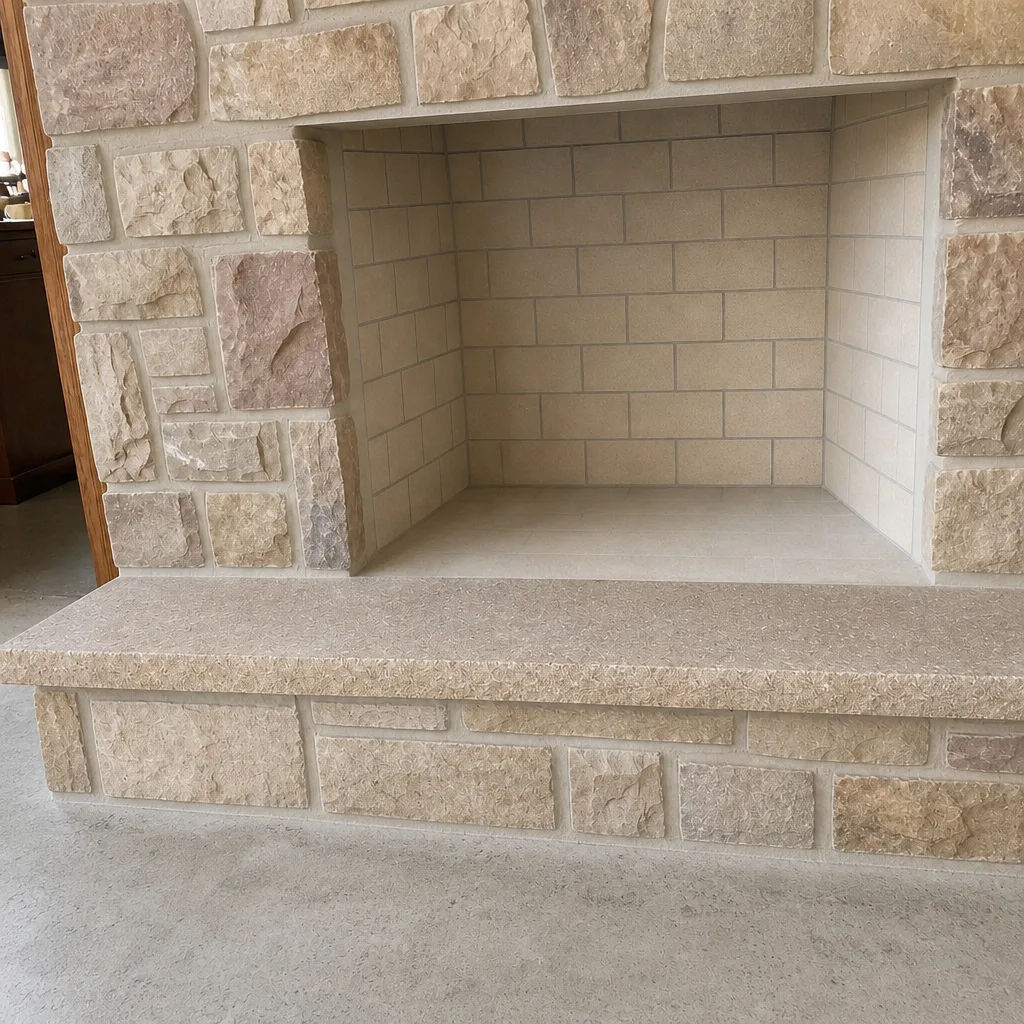
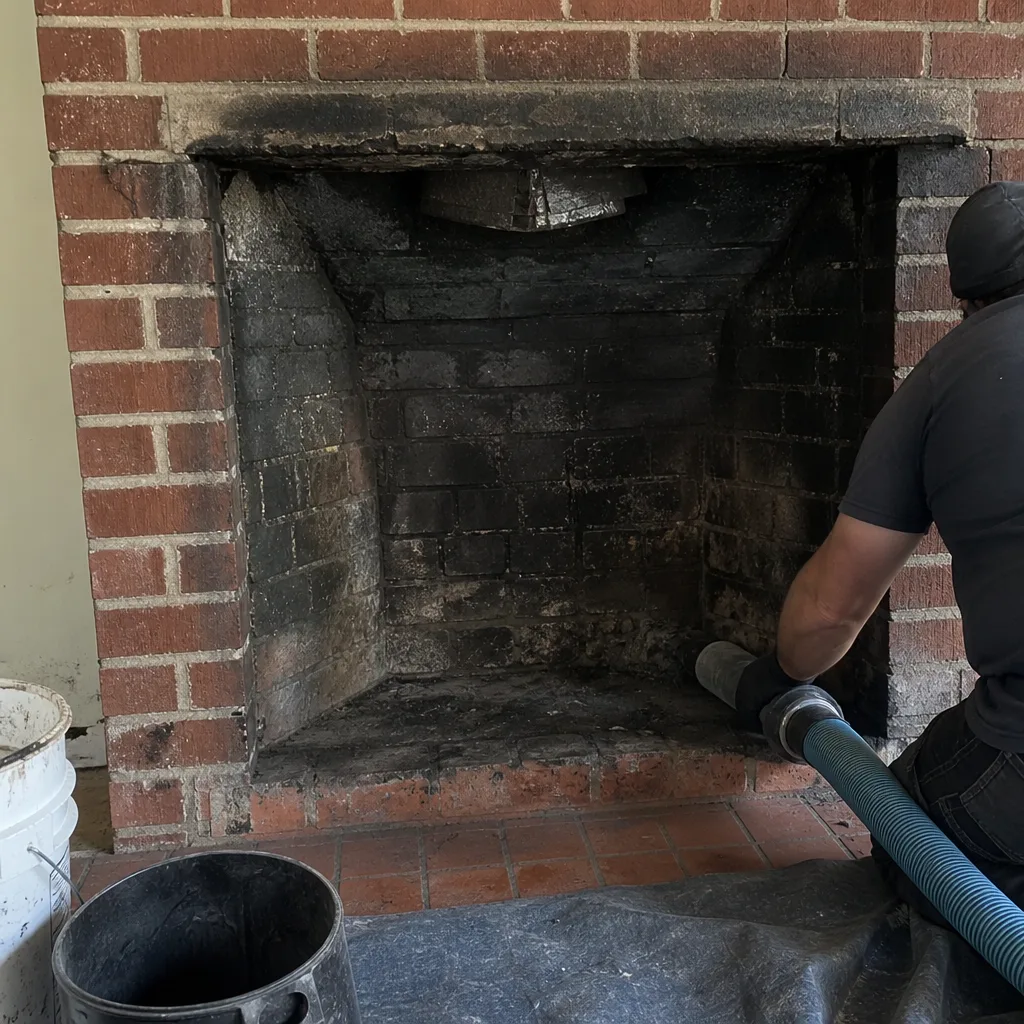
See the difference
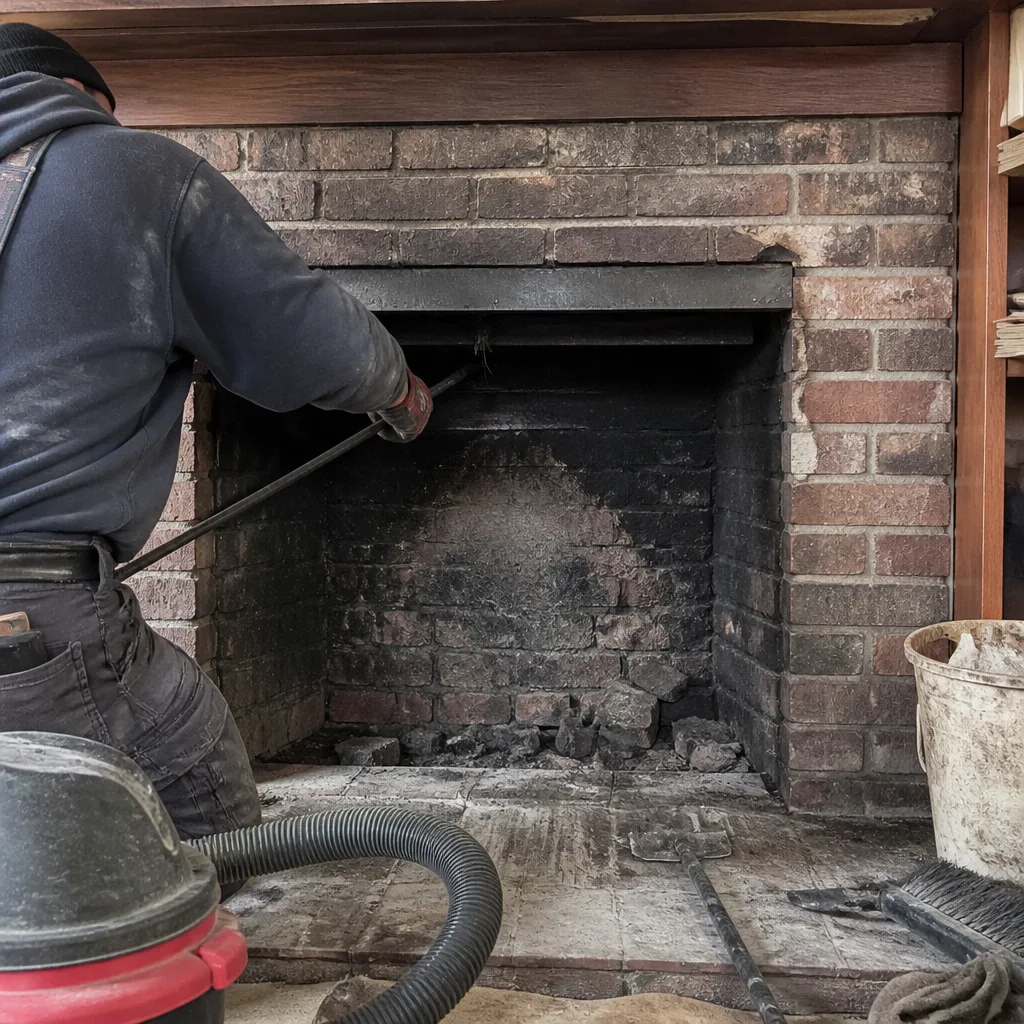 Before
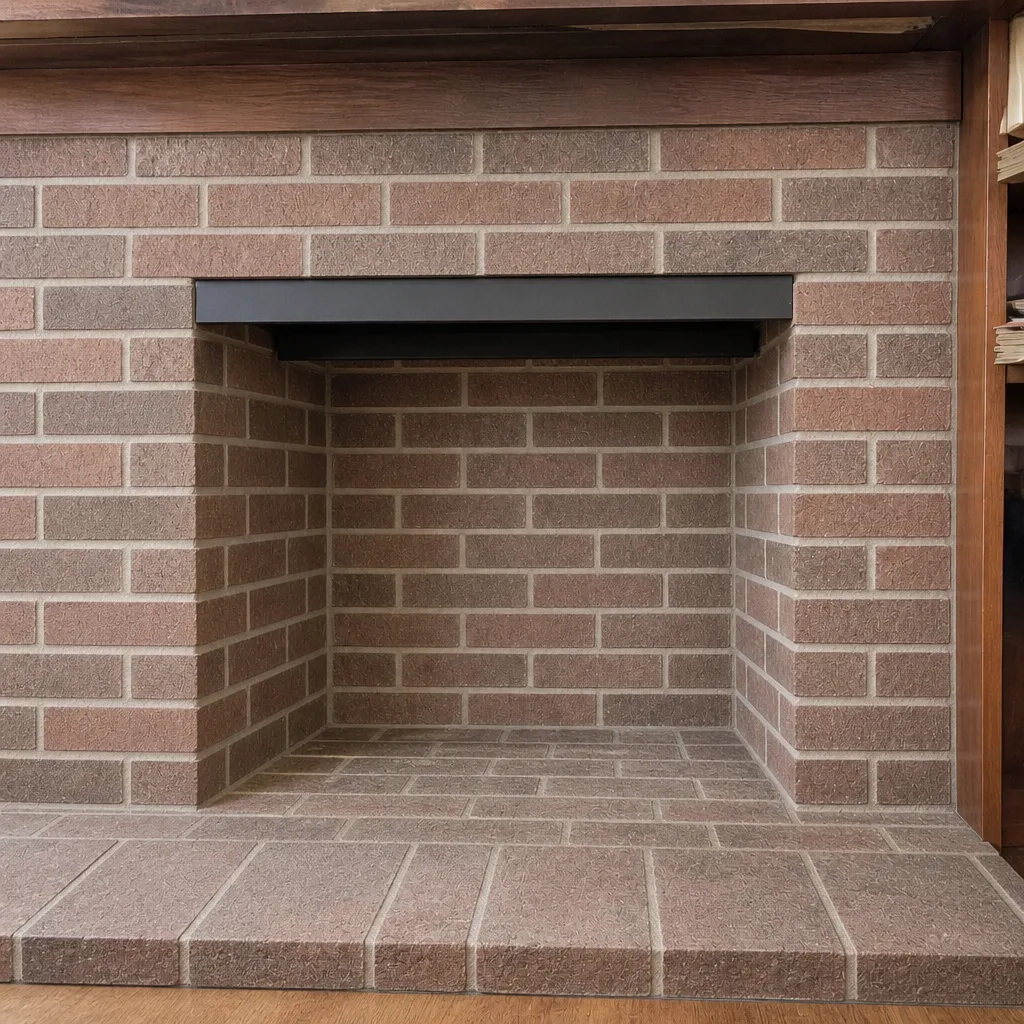 After
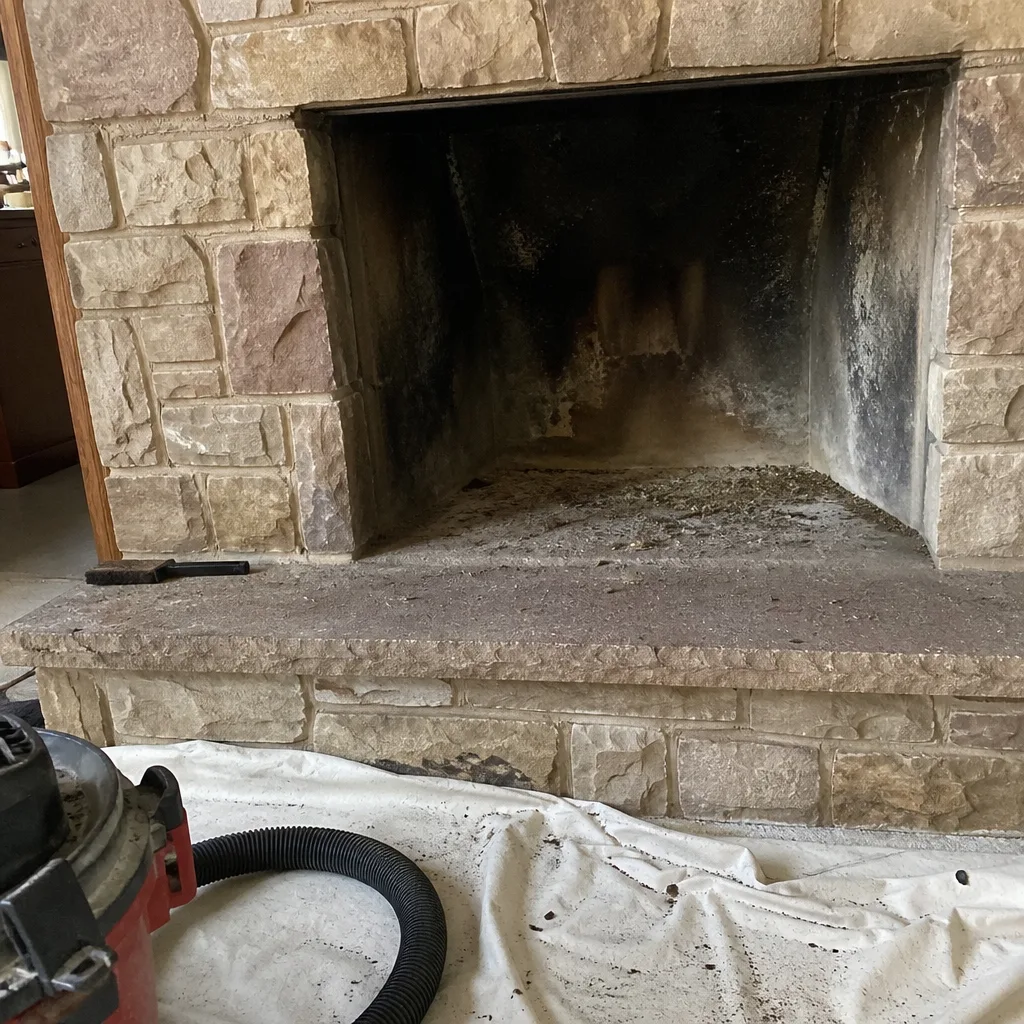 Before
 After
 Before
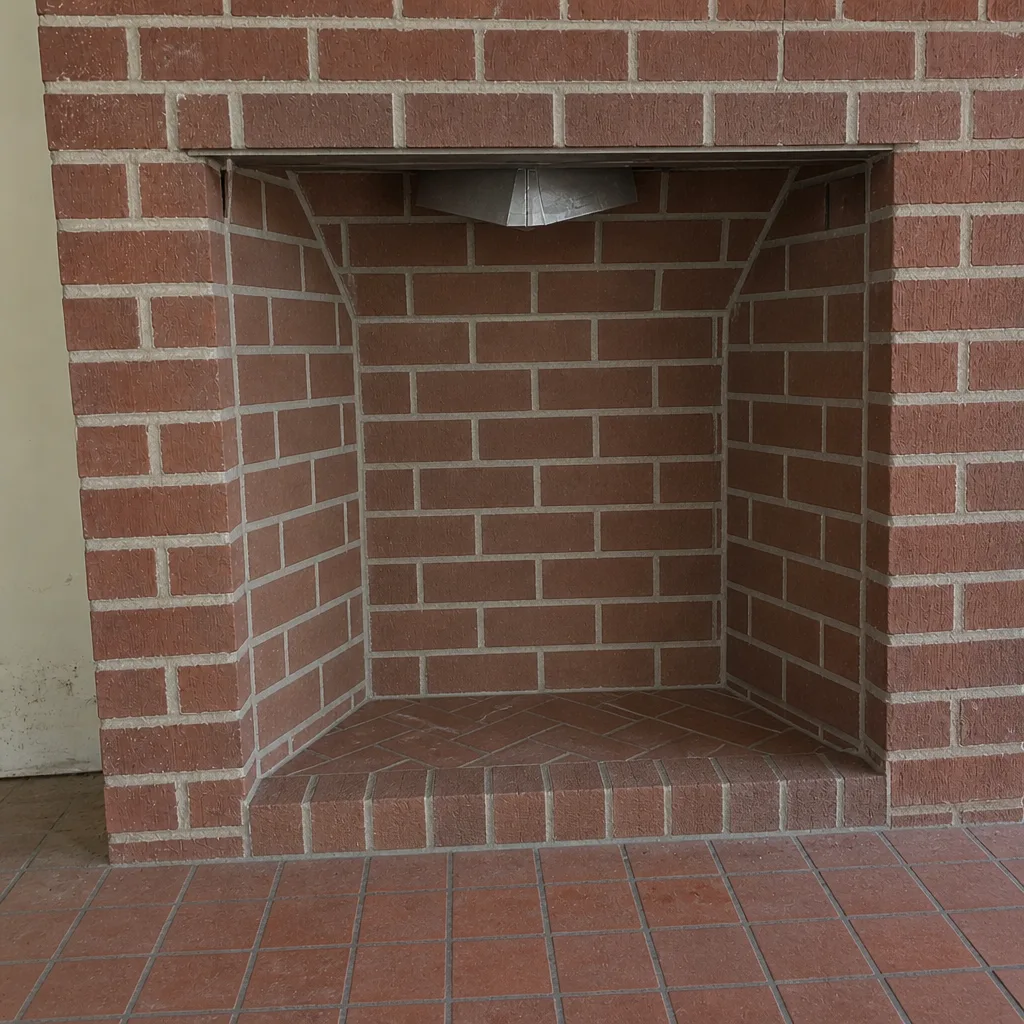 After
When to Call a Professional
Some chimney work is routine, and some needs a technician. Call us if any of these apply:
- You haven’t had the chimney inspected in more than a year
- You smell smoke in the house when the fireplace is burning
- The firebox, damper, or cap shows visible damage
- You’ve had a chimney fire, however small
- You’ve moved into a home and don’t know the chimney’s history
- You’re changing fuel type or installing a new appliance
- Your CO detector has triggered
- Creosote measured at 1/8 inch or deeper
For Milwaukee homeowners, our team handles the sweep, the inspection, and the repair in one visit when possible. We show up with the right material for the job, not just a brush. HeatShield resurfacing means a damaged liner can sometimes be restored rather than replaced, which changes the cost of a repair dramatically. A chimney sweep visit is the right starting point, and we’ll tell you plainly if a repair can safely wait. Milwaukee Chimney Sweep offers free estimates in Milwaukee. Call (855) 935-4194. We answer 24/7, with fast dispatch from 7am to 7pm, Sunday through Friday.
Frequently Asked Questions
Sweep when creosote reaches 1/8 inch of accumulation, and inspect annually regardless. For most Milwaukee wood-burning homes, that means a sweep once a season and an inspection every year, but heavy users may need a mid-season sweep. Gas appliances need annual inspection, not annual sweeping.
You miss the problems that don’t announce themselves: a partially blocked flue, a dislodged cap, a cracked crown, a damper that no longer seals. Chimney fires and carbon monoxide exposure both start as small, invisible issues. An annual inspection catches them before they become either. Call (855) 935-4194 if you’re overdue; estimates are free.
You need an inspection, not a sweep. Gas appliances produce little creosote, but they still need annual checks for venting, moisture, and CO risk. Skipping the inspection because “there’s no wood” is a mistake we see regularly.
It’s measured, not eyeballed. The technician checks depth on the flue walls; 1/8 inch is the threshold where a sweep becomes urgent, and 1/4 inch or more is a serious fire risk. If you can see thick, gummy residue, that’s a sign to call right away.
A sweep removes creosote and debris. An inspection evaluates the entire system: flue, firebox, damper, cap, exterior masonry, and venting. They’re separate services with different purposes, and most Milwaukee homes need both annually. Book them together when you can.
Homeowners can brush a chimney, but the inspection piece is what actually protects the home, and it requires training and the right equipment. Unless you can accurately measure creosote depth and assess a firebox, a self-sweep misses most of the information a professional visit provides. For a Milwaukee chimney sweep visit, we’d rather you spend the call on us and get the whole system checked.
The Bottom Line
A chimney maintenance schedule is not one annual appointment. It’s three separate rhythms running on the same system: sweeping based on measured creosote, inspecting annually and after any event, and checking component health on its own cadence. In Milwaukee’s climate, October and April are the natural bookends: the fall sweep and inspection prevent problems, and the spring check catches freeze-thaw damage while it’s still small. Sweep at 1/8 inch, keep your wood dry, keep a log, and don’t ignore a flagged repair. If you’re overdue, our team handles the sweep, inspection, and repair in one visit. That’s what we do across Milwaukee.
Make This the Season You Get the Calendar Right
You don’t need to rebuild your maintenance approach from scratch. You need to know your appliance type, your burning hours, and your last inspection date, and then get the right professional on the schedule. If any of those three are unclear, that’s the signal to book an inspection. We work with DuraFlex liner systems, HeatShield resurfacing materials, and Olympia Chimney components, which means a diagnostic visit doesn’t have to become a second appointment with a different contractor.
Call Milwaukee Chimney Sweep at (855) 935-4194 for a free estimate. We answer 24/7. Fast dispatch from 7am to 7pm, Sunday through Friday. If your chimney is overdue, we’d rather see it now, when the fix is small, than in January when it isn’t.
Written by the team at Milwaukee Chimney Sweep.