
Last updated November 15, 2026
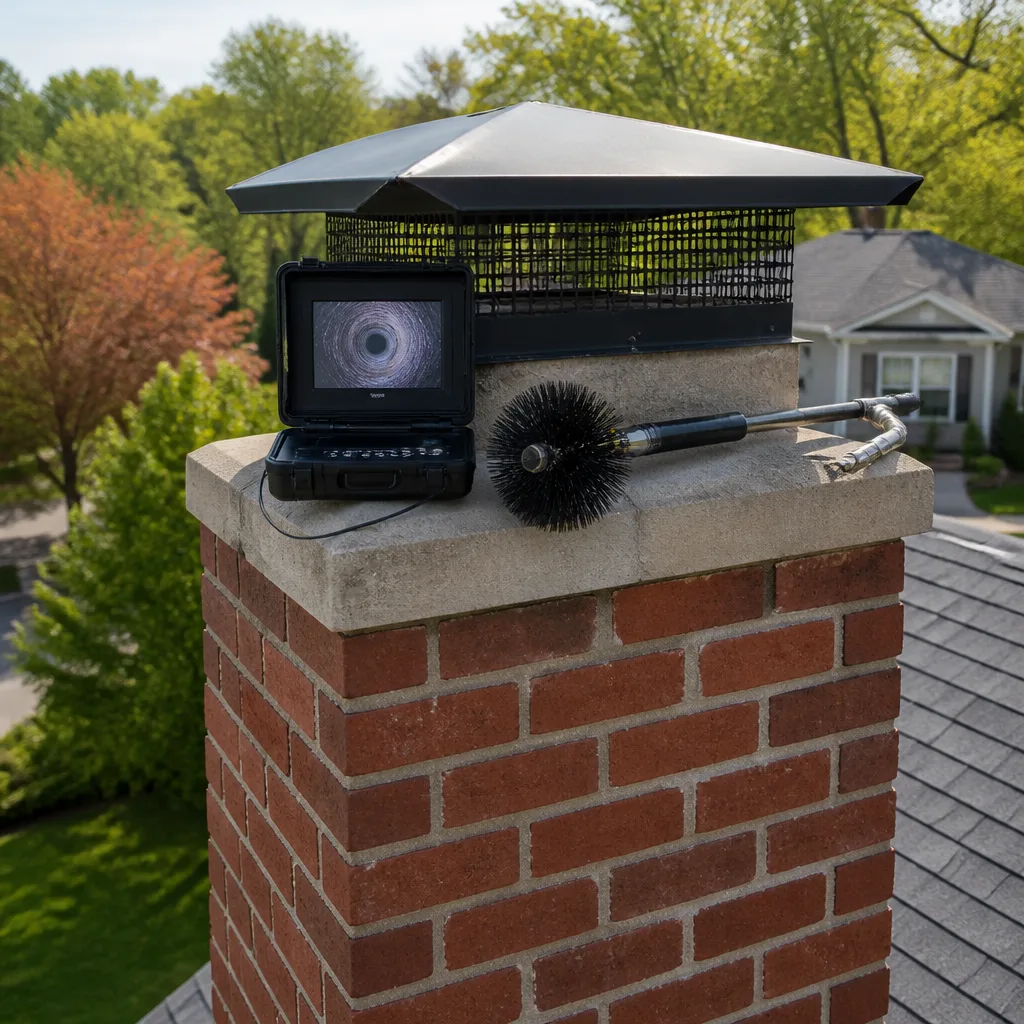 Sweep & inspection
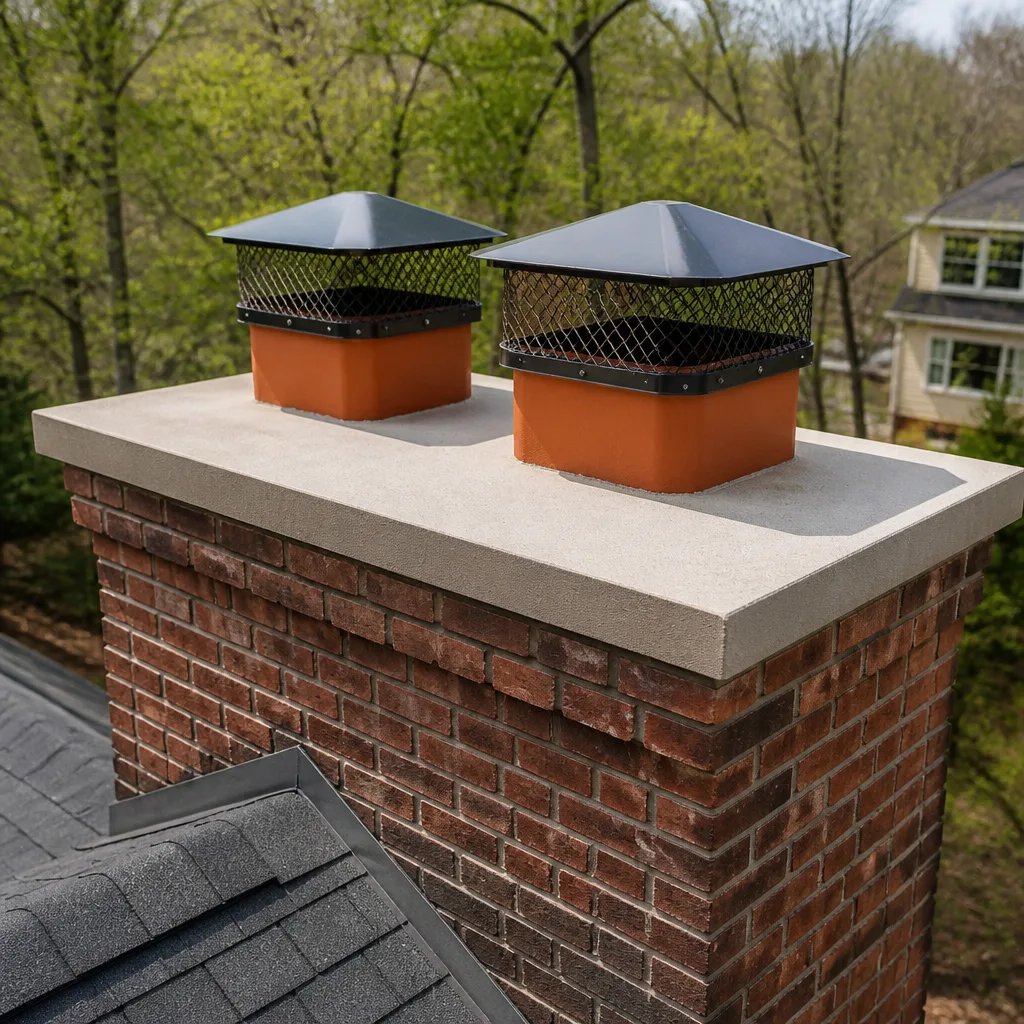 Caps & crowns
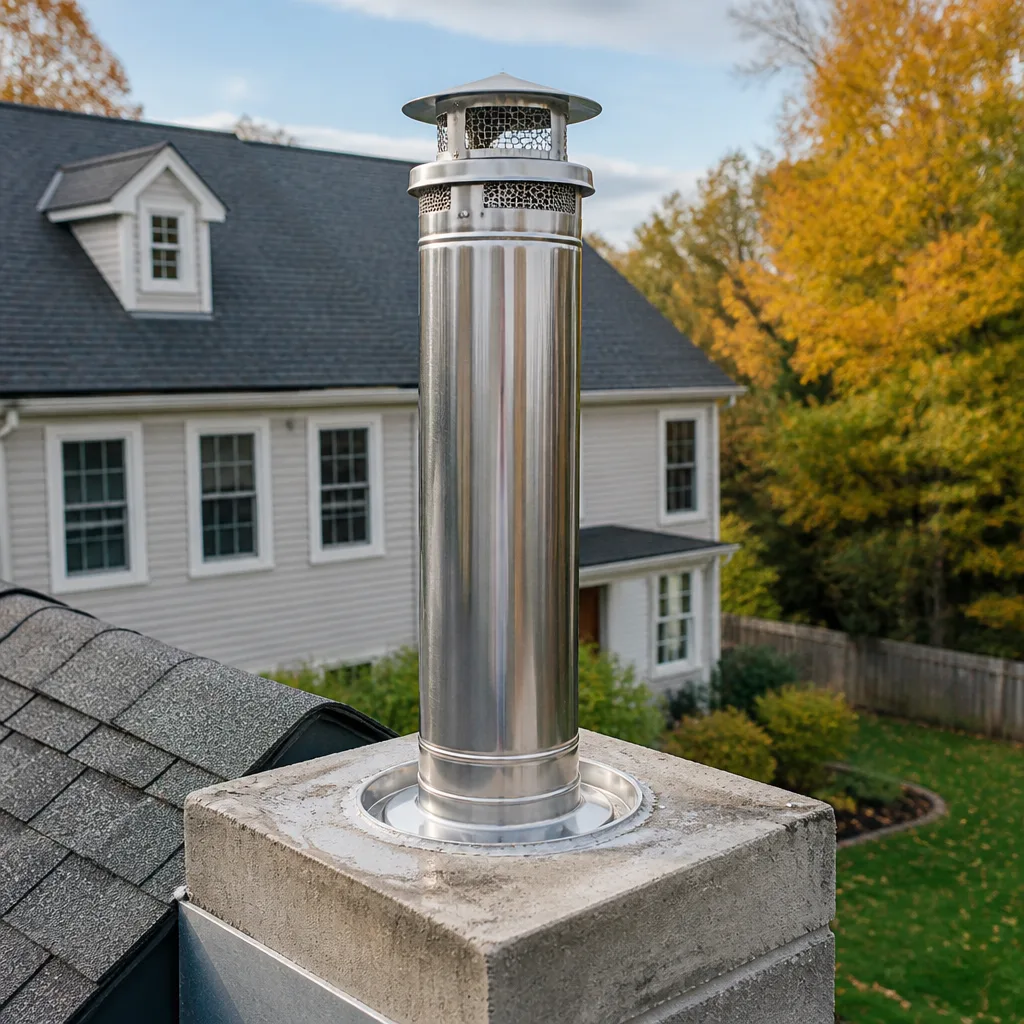 Flue relining
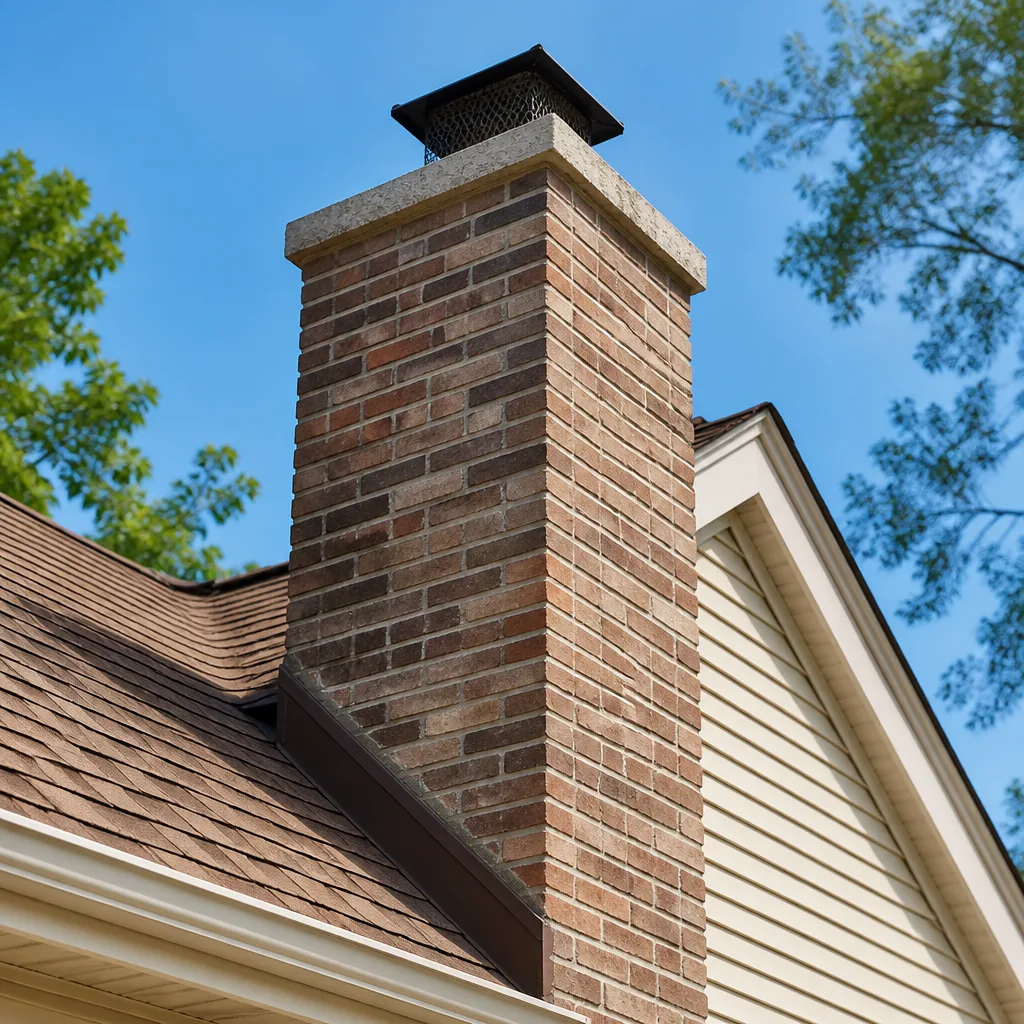 Masonry repair
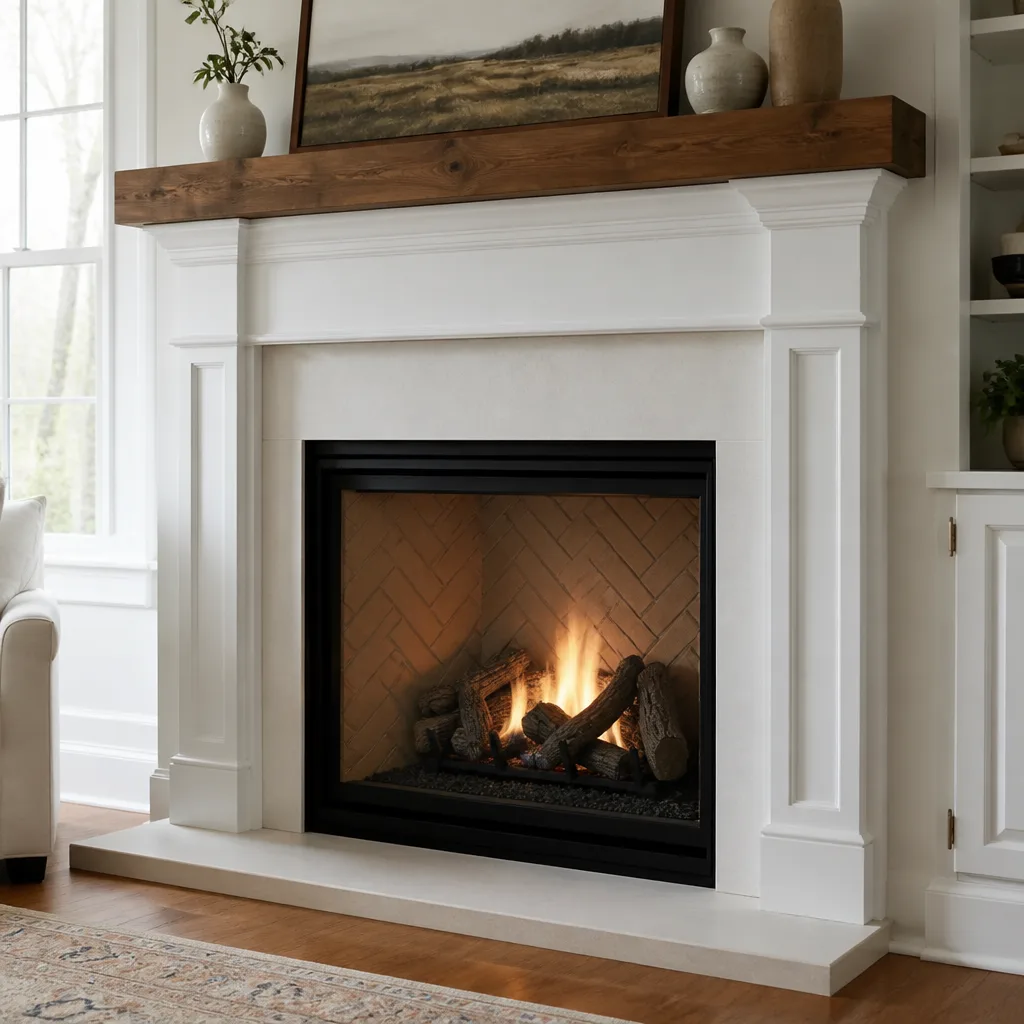 Gas fireplace service
Level 1 sweep and inspection to the NFPA 211 annual standard - flue, crown, cap, and flashing checked and photographed
Chimney sweep logs do not sweep chimneys. They loosen some creosote - which then falls where a brush and vacuum still have to collect it.
Chimney Cleaning Emergency Preparedness Guide for Milwaukee Homes
When a chimney fire starts, most people do the first thing right: they call 911. Then they do the second thing wrong. Closing the damper to “starve” the fire of oxygen feels logical, but it forces smoke and combustion gases back into the living space instead of up and out. That single reversed decision is the difference between a scary evening and a house full of carbon monoxide. In this guide for Milwaukee homeowners, we walk through three real chimney emergencies, what the fire department does and doesn’t check afterward, how to document damage for an insurer, and the equipment that buys you response time before any of it starts.
Quick Answer
During an active chimney fire in Milwaukee, get everyone out, call 911, and don’t close the damper. For a carbon monoxide alarm tied to your chimney, leave the house and call the fire department before you open any window near the appliance. For post-storm structural damage, stop using the fireplace and book a Level 2 inspection before relighting. In every case, a CSIA Level 2 inspection is mandatory before the chimney goes back into service, and pre-season preparedness with working CO detectors and a Class B extinguisher is what shortens the gap between hazard and response.
Styles & brands we work with
- Sweep & inspection
- Caps & crowns
- Flue relining
- Masonry repair
- Gas fireplace service
Table of Contents
- The Three Chimney Emergencies Milwaukee Homes Actually Face
- What to Do During an Active Flue Fire
- When Your Carbon Monoxide Alarm Goes Off
- Post-Storm Chimney Damage: What to Check and What to Skip
- What the Fire Department Does and Doesn’t Inspect
- Documenting Chimney Damage for Your Insurer
- Pre-Season Preparedness Checklist for Milwaukee Homes
- Emergency Chimney Stabilization and Who to Call
The Three Chimney Emergencies Milwaukee Homes Actually Face
Not every chimney emergency looks the same, and the response sequence changes with the type. In our experience, Milwaukee calls break into three categories, and getting the category wrong at the start is what turns a manageable situation into an expensive one. Here’s the breakdown we work from.
1. Active flue fire
You hear a low roar, see sparks or flames at the top of the chimney, or notice the liner glowing. Creosote ignition is the most common cause, and it can happen on a cold night in January when the fire has been burning for hours. The response is evacuation first, 911 second, and a Class B extinguisher or a chimney fire suppressant log last. Never close the damper.
2. Carbon monoxide event
Your CO alarm sounds, or someone in the household reports headache, dizziness, or nausea that improves when they leave the house. A blocked or damaged flue, a cracked heat exchanger on a gas appliance, or a chimney that’s backdrafting under a negative-pressure situation can all push CO into the living space. The response is evacuate, call 911, do not open windows near the appliance until the fire department has measured the air.
3. Post-storm structural damage
High winds, ice, and freeze-thaw cycles in Milwaukee winters crack crowns, loosen caps, and pull masonry apart at the mortar joints. The chimney may not be on fire, but a cracked crown lets water straight into the flue. The response is to stop using the fireplace and book an inspection before the next freeze. Freeze-thaw damage compounds quickly here.
The emergencies above are why a chimney sweep and inspection isn’t just a maintenance errand. It’s the diagnostic step that catches what the next storm or the next fire will turn into. If you haven’t had one in a season or two, our chimney sweep page covers what we check and why.
What to Do During an Active Flue Fire
During an active flue fire in Milwaukee, the correct order is: evacuate, call 911, then act on the fire only if the fire department directs you to. That’s it. Everything else is secondary. Here’s the numbered protocol we hand to homeowners we work with, phrased for the moment rather than the textbook.
- Get everyone out of the house. No stopping for pets, phones, or documents. Gather at the agreed meeting spot.
- Call 911 from outside. State that you have a chimney fire, the address, and whether anyone is still inside.
- Do not close the damper. This is the mistake we see most. Closing the damper starves the fire of draft but pushes smoke and combustion gases into the room.
- If the fire department is on the way, stay out. Do not re-enter to check on the fire. Let them make the call.
- If you have a Class B extinguisher and the fire department coaches you to use it, use it on the firebox, not the flue. Chimney fire suppressant logs are a backup, not a substitute for 911.
- After the fire is out, do not relight. The chimney needs a Level 2 inspection before it goes back into service. A flue fire can crack the clay liner or warp a metal one without any visible sign from the firebox.
Milwaukee winters make this protocol harder than it sounds. A house full of cold air on a January night tempts people to relight before the chimney’s been checked. Don’t. The liner needs to be evaluated for cracks, spalling, and separation, and a post-fire inspection is the only way to know whether the chimney is safe to use again.
When Your Carbon Monoxide Alarm Goes Off
When a carbon monoxide alarm linked to your chimney sounds, leave the house and call 911 before you open any window or exterior door. Opening windows to “air out” a CO event changes the reading the fire department will measure, and it changes the conditions the appliance was running under, which makes the diagnosis harder. Everything from that moment is about protecting the people inside, not the equipment.
What we look for when we’re called after a CO event:
- Soot or dark staining around the draft hood, damper, or top of the firebox
- A flue that’s visibly blocked by bird nests, debris, or a collapsed liner
- Improper appliance venting, especially on gas inserts added after the original chimney was built
- Cracks or separation in a masonry flue that let gases slip past the liner into the surrounding structure
- Negative pressure in the home from a tightly sealed winter build, pushing gases back down the flue
In our experience, Milwaukee’s older housing stock is where this gets interesting. A chimney built for a wood fireplace that’s later been lined for a modern gas furnace or high-efficiency appliance may vent correctly on the original installation and quietly fail years later when the liner has spalled. Carbon monoxide doesn’t announce itself with a smell, which is why the alarm is doing more work than the homeowner in this scenario. Place CO detectors correctly, test them monthly with the button, and replace the sensor when the manufacturer says to.
If your alarm has gone off and you’ve been cleared by the fire department, the next call is a Level 2 inspection, not a lighter. A chimney repair appointment booked right after a CO event is what closes the loop between “the alarm went off” and “the cause is fixed.”
Post-Storm Chimney Damage: What to Check and What to Skip
After a storm in Milwaukee, the first thing to check on your chimney is the crown, cap, and the visible mortar joints from a safe distance at ground level. Skip the ladder. Skip the roof. Freeze-thaw cycles here do their best work on the crown and the top courses of brick, and those failures are visible from the driveway with binoculars. Here’s the visual checklist we use:
- Crown cracks – look for fractures running across the top slab. A cracked crown is a leak in progress.
- Missing or loose cap – a damaged cap lets water and animals straight into the flue.
- Spalling brick face – flaking or popping brick face means moisture has been cycling through the masonry.
- Efflorescence – white staining on brick signals moisture moving through and evaporating out.
- Tilted or leaning stack – any visible lean means stop using the fireplace and call for inspection.
- Staining on interior ceilings – a dark or wet stain near the chimney chase is your sign to call before the next freeze.
The mistake we see most after Milwaukee storms isn’t neglect. It’s a homeowner calling a roofer for what turns out to be a chimney problem. Roofing and chimney work look related from the driveway but they’re different trades, and a repair done by a roofer who doesn’t work inside the flue may fix the visible symptom and miss the interior cause. Famco and Gelco chimney caps installed to manufacturer spec, plus proper crown repair, are the two most common fixes we install after a storm here.
What the Fire Department Does and Doesn’t Inspect
The Milwaukee Fire Department responds to chimney fires, confirms the fire is out, and checks the attic and the chimney chase for extension into the structure. That’s a life-safety function, and it’s what their visit is designed for. What they don’t do is inspect the flue liner, the damper assembly, or the chimney’s internal condition for a return to service. That’s a different job and it requires a different tool.
Here’s what the fire department’s post-fire visit is designed to confirm:
- That no active fire or hidden hot spots remain in the chase or attic
- That the structure isn’t currently at risk of extension
- That people aren’t in immediate danger from the event
What it does not assess:
- The structural integrity of the flue liner, whether clay, cast-in-place, or a metal liner system
- Whether the damper is still functional after heat exposure
- Whether the chimney is safe to put back into service
- Whether the fire has caused cracking that could let carbon monoxide into the living space on the next burn
That gap is why a CSIA Level 2 inspection after a chimney event is non-optional before you relight. Level 2 includes a camera scan of the flue from top to bottom, which is the only way to see a crack in a clay flue liner that isn’t visible from the firebox. If you’re going to relight, that camera scan is what makes the relight defensible. Where the liner is cracked or has lost its protective surface, a HeatShield ceramic resurfacing is often the right answer before a full reline, and where the original liner is separated or collapsed, a DuraFlex flexible liner system is the appropriate fix. Which one applies depends entirely on what the camera shows.
Documenting Chimney Damage for Your Insurer
Documenting chimney emergency damage for an insurer in Milwaukee starts within the first hour after the event, while the damage is still visible and before any cleanup begins. Photos taken later, after a technician has swept up soot or a contractor has moved damaged brick, are worth significantly less to an adjuster than photos taken of the scene as it stood. Here’s what to shoot before anyone starts cleaning.
- Overall shot from outside. The full chimney from ground level, showing the roof line, so the adjuster can place the damage in context.
- Close-up of the crown and cap. Any crack, missing cap, or visible separation.
- Interior firebox. The damper, firebox walls, and smoke chamber, photographed with the room’s light on for scale.
- Interior staining. Any staining on the chimney chase or the surrounding room, shot straight on and shot at an angle to show depth.
- Flue opening. Even better if you have a camera scan photo from the technician’s report – which is a major reason we include the camera report with every inspection.
- Fire department paperwork. The incident report number and any notes the fire department left. Free to obtain and often the single strongest document in the file.
- Date-stamped context shots. Any photo that ties the damage to the event date, not the date the adjuster investigates.
What Milwaukee adjusters tend to ask for that homeowners don’t always think to photograph: the interior above the firebox (damage there is where an adjuster starts asking whether the fire was properly contained), and the condition of the chimney chase from the roofline down. A roofer’s photo isn’t a substitute for a chimney camera report, and an adjuster familiar with the trade will ask for one.
Pre-Season Preparedness Checklist for Milwaukee Homes
Pre-season preparedness for a Milwaukee chimney comes down to three things: working CO detectors, a Class B fire extinguisher placed where you’ll actually reach it, and a chimney fire suppressant log as a backup to 911, not a substitute for 911. Everything else is secondary. Here’s the full checklist we use to prepare a home before burn season.
Carbon monoxide detectors
- One on every level of the home, including the basement where the furnace often sits
- Placed at sleeping height (roughly knee to head height in a bedroom or hallway), not near the ceiling, since CO mixes with air rather than rising
- Tested monthly with the test button, and sensor replaced per the manufacturer’s replacement schedule
- Placed outside the sleeping area, not inside it, so it wakes the sleeper
Fire extinguishers
- A Class B extinguisher (the type rated for flammable liquids and combustion of fuels) near the fireplace outlet, mounted where it’s reachable without stepping over the firebox
- One on each level as a minimum
- Pressure gauge checked at the start of each season
Chimney fire suppressant logs
- One kept in the room with the fireplace, unopened, with the instruction card attached
- Understood as a backup for when the fire department is on the way, not a first response
Pre-season professional steps
- Annual sweep before the first burn, since a season’s creosote load is what catches fire
- Level 1 inspection with the annual sweep, or Level 2 if there’s been a fire, storm, or change of appliance
- Chimney cap checked and reinstalled to spec, since a missing cap allows animal nests, which are one of the top causes of a blocked flue in Milwaukee’s winter season
One more pre-season item worth calling out: if you bought a home in Milwaukee recently, the seller’s chimney inspection may have been a Level 1 visual only. Level 1 doesn’t include a camera scan, so a liner crack that was present at closing can go undetected for years. If you don’t have a camera report in your closing documents, book one before the first burn.
Emergency Chimney Stabilization and Who to Call
Emergency chimney stabilization in Milwaukee is needed when structural damage creates an immediate water intrusion or a falling-debris risk, and the right call is a chimney specialist, not a general contractor. The scenarios that need it: a chimney that’s visibly leaning or separated from the roofline, loose masonry hanging over a walkway or driveway, a chimney chase that’s leaking into the living space after a storm, or a crown that’s fully failed and letting water straight into the flue. Each of those needs to be stabilized before the weather changes again.
What “stabilization” actually involves depends on the failure. Loose brick work and cap replacement, tarping and temporary weatherproofing, and in some cases a full top-down inspection before anything is touched. For structural issues that turn out to be a liner problem, HeatShield resurfacing is a common fix, and where the original flue is separated or badly spalled, a DuraFlex or Olympia Chimney liner system is the right material. We carry Olympia Chimney and Copperfield in our inventory list because the right material for the job isn’t the same on every chimney.
Here’s the decision point: if you can see the damage from the ground and it hasn’t reached the interior of the home, call for inspection before the next weather event. If water is already coming in through a failed crown or chase, or if loose masonry is a falling risk, that’s the emergency-stabilization scenario, and it needs a technician on the roof. Call (855) 935-4194. We answer 24/7. Fast dispatch from 7am to 7pm, Sunday through Friday.
Common Mistakes to Avoid
- Closing the damper during a chimney fire. This is the single most common mistake, and it pushes smoke and combustion gases into the living space instead of out. Leave the damper open and call 911.
- Relighting before a Level 2 inspection. A flue fire can crack a clay liner without leaving a visible sign from the firebox. Milwaukee winters make the temptation strong, but the camera scan is non-negotiable first.
- Calling a roofer for what turns out to be a chimney leak. Storm damage at the chimney often reads as roof damage from the ground. Roofers who don’t work inside the flue can miss the interior cause. Call a chimney specialist if the leak traces to the chimney chase.
- Waiting to document for insurance. Photos taken after cleanup are worth less to an adjuster than photos of the scene as it stood. Shoot the seven shots above before anyone sweeps.
- Placing CO detectors only at the ceiling. CO mixes with air rather than rising, so detectors belong at sleeping height (roughly knee to head height), not near the ceiling. This is a real miss in Milwaukee homes with gas appliances in the basement.
- Using a chimney fire suppressant log as the first response. They buy response time. They do not replace 911. If you smell smoke and hear the roar, call.
- Skipping the annual sweep because the chimney “looked fine” last year. Creosote accumulates invisibly from the firebox. By the time the firebox shows a problem, the fire has already happened.
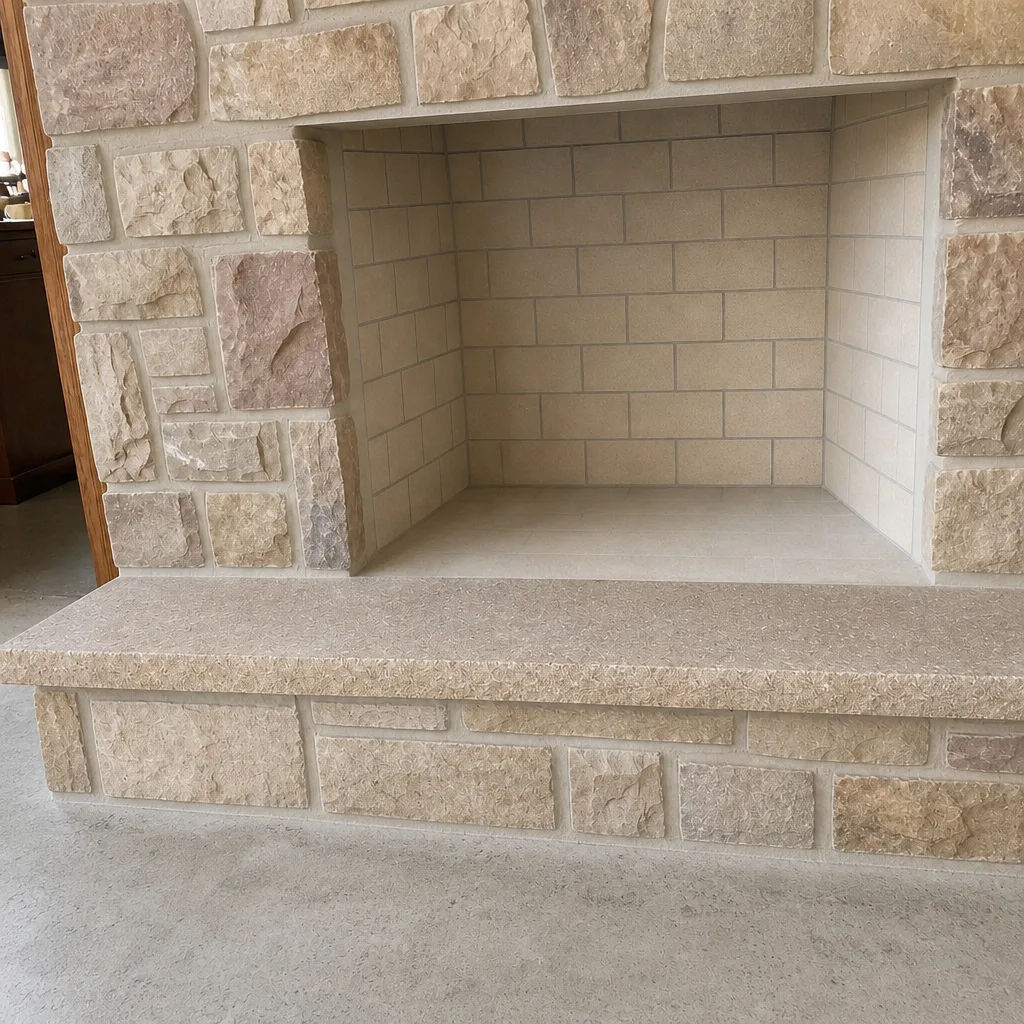
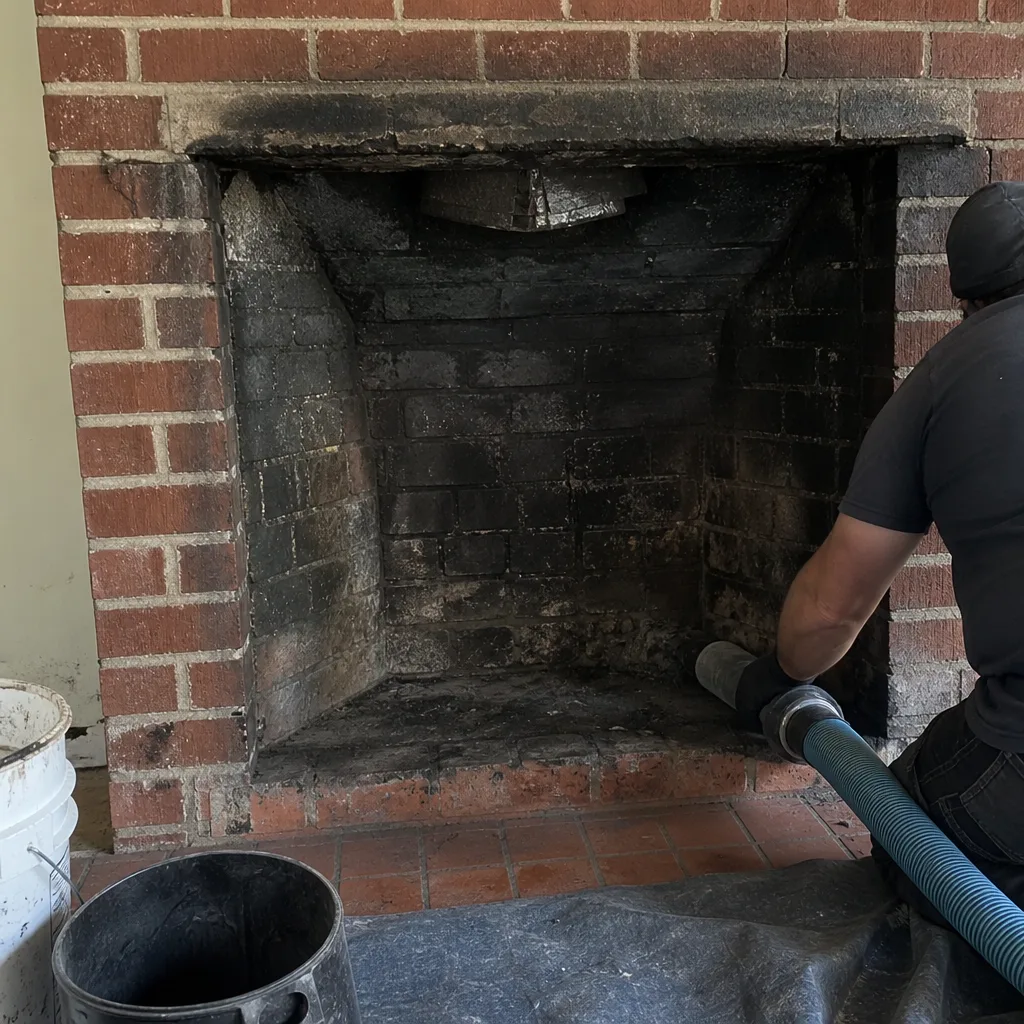
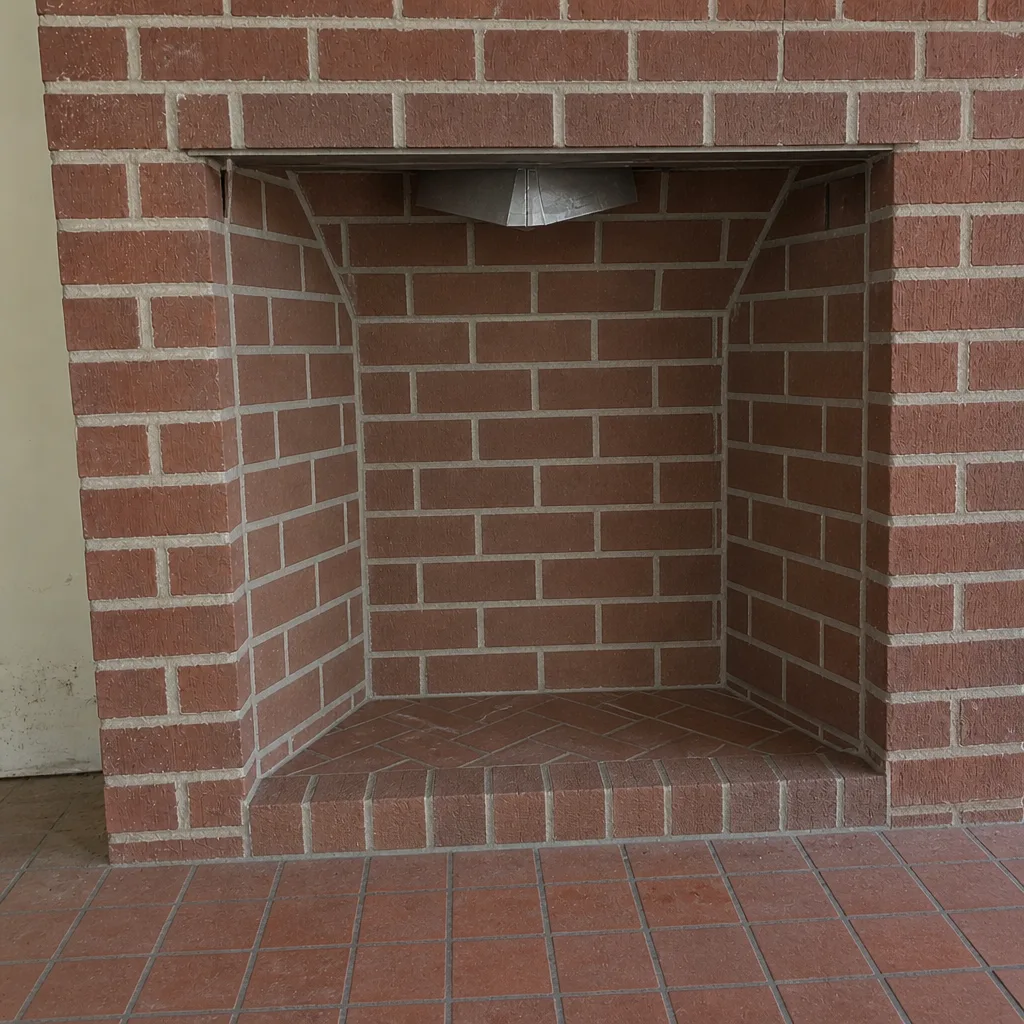
See the difference
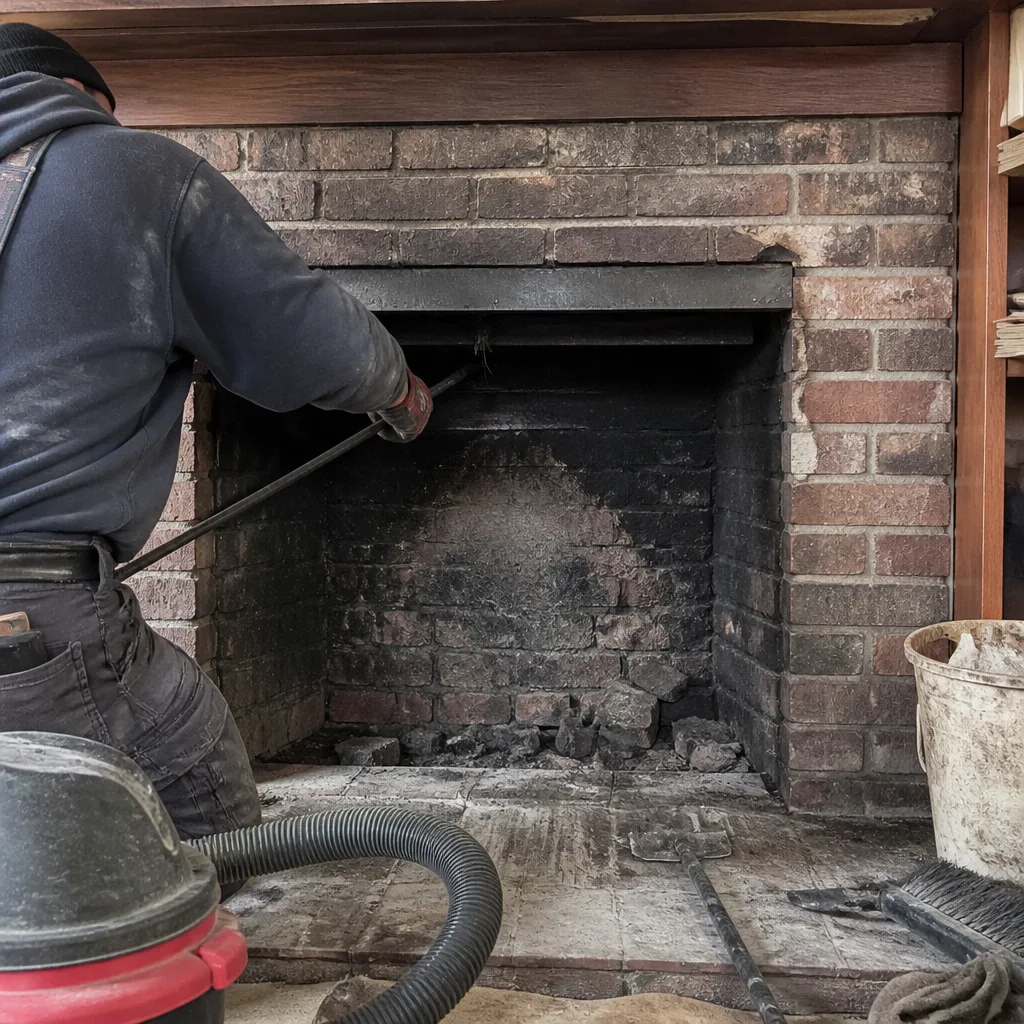 Before
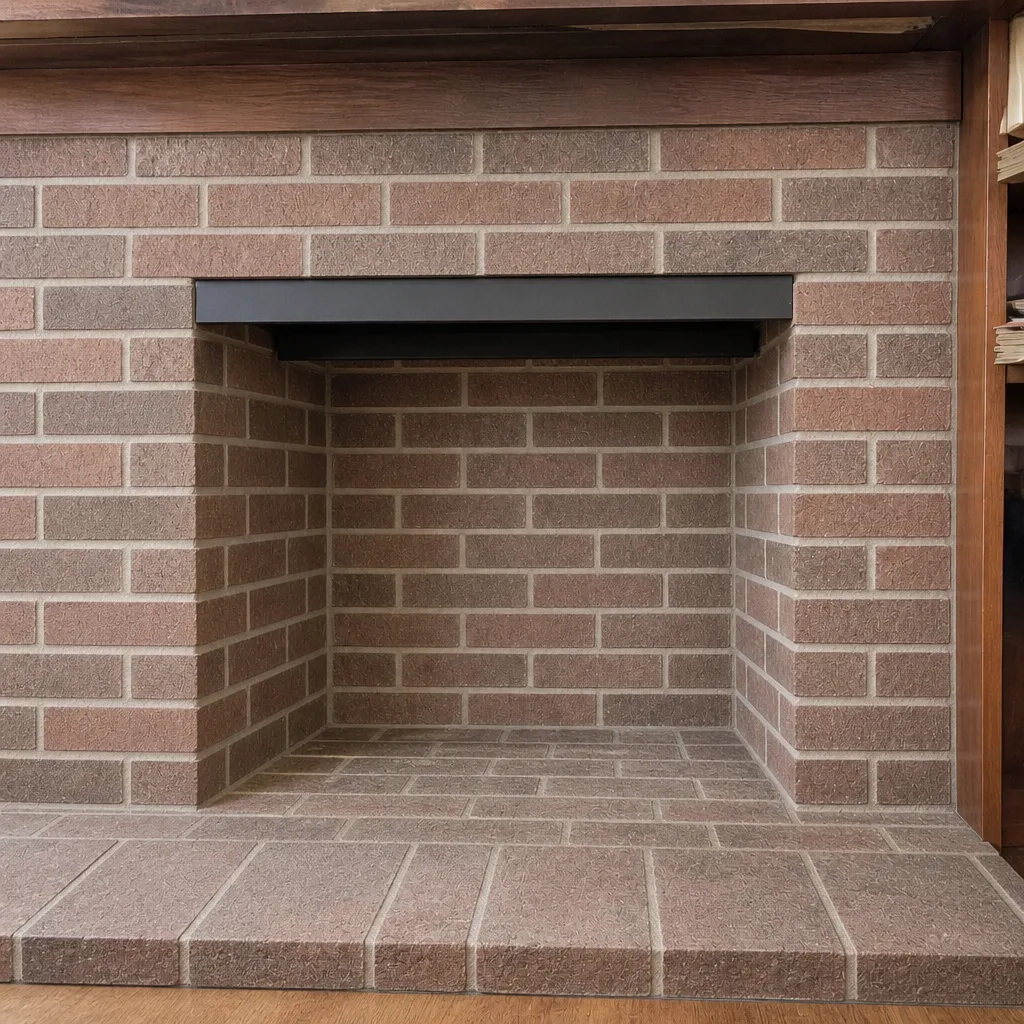 After
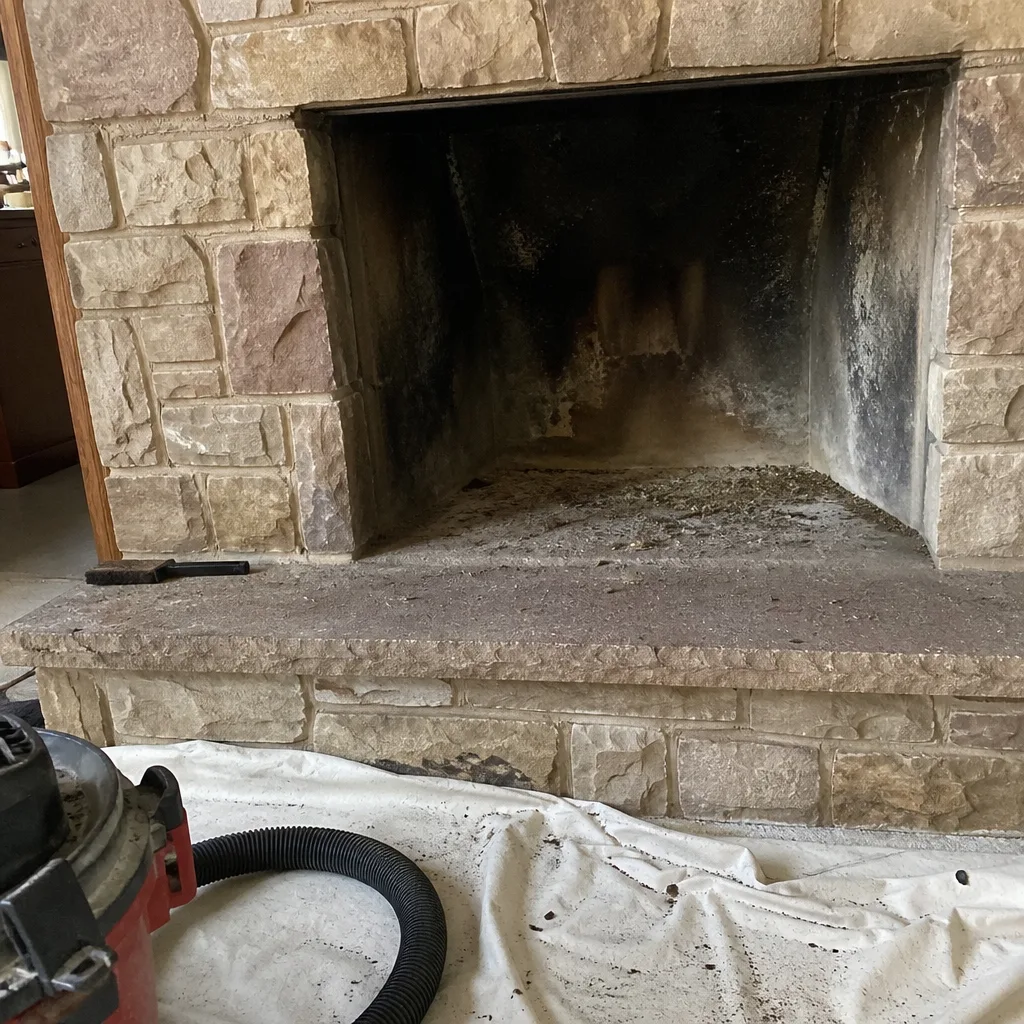 Before
 After
 Before
 After
When to Call a Professional
Call a professional chimney specialist in Milwaukee the moment any of these apply: a chimney fire has occurred (for a Level 2 inspection before relighting), a carbon monoxide alarm has sounded and you’ve been cleared by the fire department, structural damage is visible after a storm, masonry is loose or falling, or water is entering the home through the chimney chase. Each of those is a scenario where the fix is above the DIY line, and in some cases above the general-contractor line. The two things that make the response measurable are a camera report you can see for yourself and a written estimate that sets the final price before any work begins. At Milwaukee Chimney Sweep, we offer free estimates in Milwaukee that do exactly that. Call (855) 935-4194 to book one. We answer 24/7. Fast dispatch from 7am to 7pm, Sunday through Friday.
Our technicians have up to 8 years of experience, and we show up with the right material for the job rather than just a brush. The brands we work with (DuraFlex, HeatShield, Gelco, Olympia Chimney, Famco, and Copperfield) mean the repair can usually be specified and installed by the same crew that does the inspection. That continuity is what matters after a chimney event.
Frequently Asked Questions
A standard chimney sweep in Milwaukee is quoted per job by written estimate, and the estimate is free. The price depends on what’s swept, whether the chimney has obvious debris, and whether an inspection beyond Level 1 is included. We don’t publish a fixed sweep price because a Job that requires a camera scan or a partial disassembly isn’t the same job as a clean flue with a light creosote load. The written estimate sets the final price, and nothing is added after the fact. Call (855) 935-4194 for an exact quote – estimates are free.
Yes. A CSIA Level 2 inspection after a flue fire is the only way to see the condition of the liner from top to bottom, and it’s what makes relighting safe. A Level 1 visual doesn’t include a camera scan, so it cannot catch a hairline crack in a clay liner that heat has opened up. Without the Level 2, you’re relighting a chimney whose condition is unknown. If you’ve had a fire in the last season, book it before the next burn. Call (855) 935-4194 for an exact quote – estimates are free.
Once a year, before the burn season starts. That’s the schedule we work from, and it holds for a fireplace that burns a cord of wood a year as much as for one that burns every evening. A sweep catches creosote buildup before it reaches the ignition point, and it gives the technician a chance to look at the flue while they’re in there. Skipping a year doesn’t usually feel like a problem until it is. Call (855) 935-4194 for an exact quote – estimates are free.
Creosote builds up on the flue walls, and at a certain thickness it becomes the fuel for a chimney fire rather than just a coating. The fire is what the annual sweep is designed to prevent, and the sweep is cheaper than the fire. In Milwaukee’s climate, cold snaps mean the fireplace is used harder than usual, and a season of heavier use is exactly when a skipped sweep becomes a problem. Call (855) 935-4194 for an exact quote – estimates are free.
In many cases, the liner can be restored rather than replaced. A HeatShield ceramic resurfacing addresses a flue that’s lost its protective surface or cracked at the joints, and it’s often a much smaller job than a full reline. Whether resurfacing will work depends on what the camera scan shows. Where the liner is separated or collapsed, a DuraFlex flexible liner system is the appropriate fix. Nothing is recommended without the camera evidence you can see for yourself, and we’ll tell you plainly when the work can safely wait. Call (855) 935-4194 for an exact quote – estimates are free.
Leave the house, call 911, and don’t open windows near the appliance until the fire department measures the air. Opening windows changes the reading they get and changes the conditions your appliance was running under, which makes the diagnosis harder. Once you’ve been cleared by the fire department, the next step is a Level 2 chimney inspection to find the cause. Call (855) 935-4194 for an exact quote – estimates are free.
The Bottom Line
A chimney emergency in Milwaukee has a narrow response window, and the difference between a recoverable situation and a catastrophic one usually comes down to the first two decisions, not the last twenty. Evacuate first. Call 911. Don’t close the damper. After the event, don’t relight until a CSIA Level 2 inspection has cleared the flue with camera evidence. Document damage for the insurer before cleanup, not after. And prepare the equipment beforehand (CO detectors at sleeping height, Class B extinguisher, suppressant log as backup) so the response time is measured in seconds rather than minutes. If any of that is uncertain for your home, book the inspection before burn season.
Milwaukee Chimney Sweep handles chimney sweeping, inspection, and repair as one scope, so the diagnosis and the fix stay with the same crew. Our technicians have up to 8 years of experience, and every recommendation is backed by camera evidence and a written estimate that sets the final price. Call (855) 935-4194 for a free estimate. We answer 24/7. Fast dispatch from 7am to 7pm, Sunday through Friday.
Written by the team at Milwaukee Chimney Sweep.