
Gelco Chimney Sweep in Milwaukee: A Homeowner’s Guide
A company name in a search result tells you almost nothing about whether the technician showing up carries CSIA certification, uses a HEPA-rated vacuum, or will put their liner recommendation in writing. That’s the uncomfortable part of hiring chimney help in Milwaukee: the name on the website and the name on the truck are not credentials. This guide skips the brand loyalty and gives you a checklist you can use on any company, Gelco included. If you’d rather have a trained technician handle it, call (855) 935-4194 for a free estimate.
Is “Gelco” a Chimney Company or a Product Brand?
Gelco is a product name, not a franchise of sweeps. Homeowners in Milwaukee searching for “Gelco chimney sweep” are usually halfway through a project, have seen the name on a cap, a liner component, or a supply catalog, and want to know who installs it properly. That’s a fair question, and the answer matters.
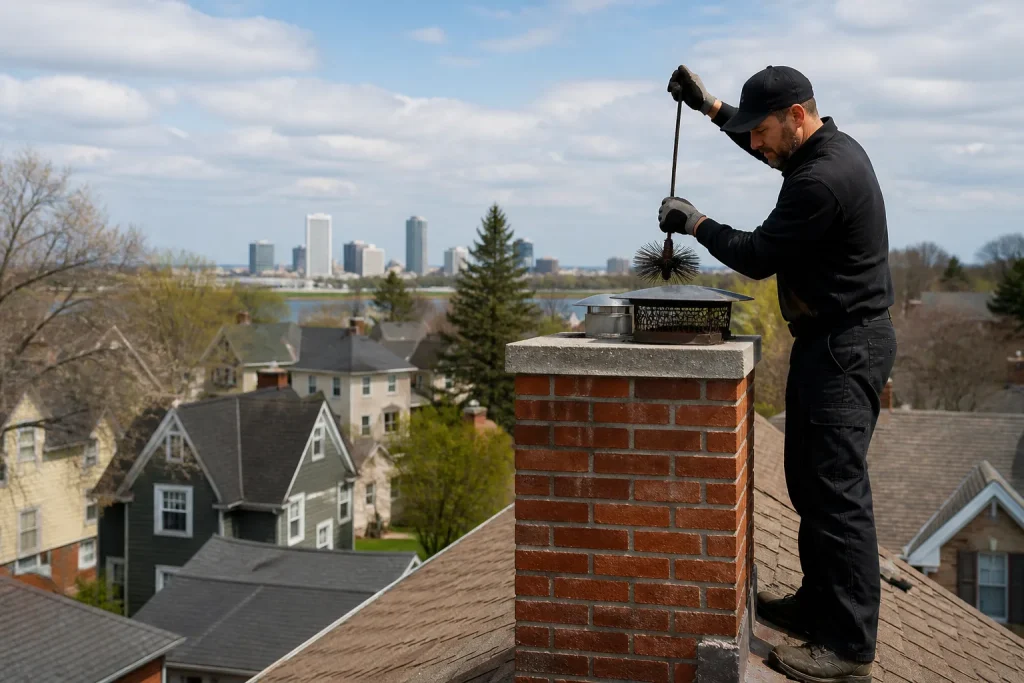
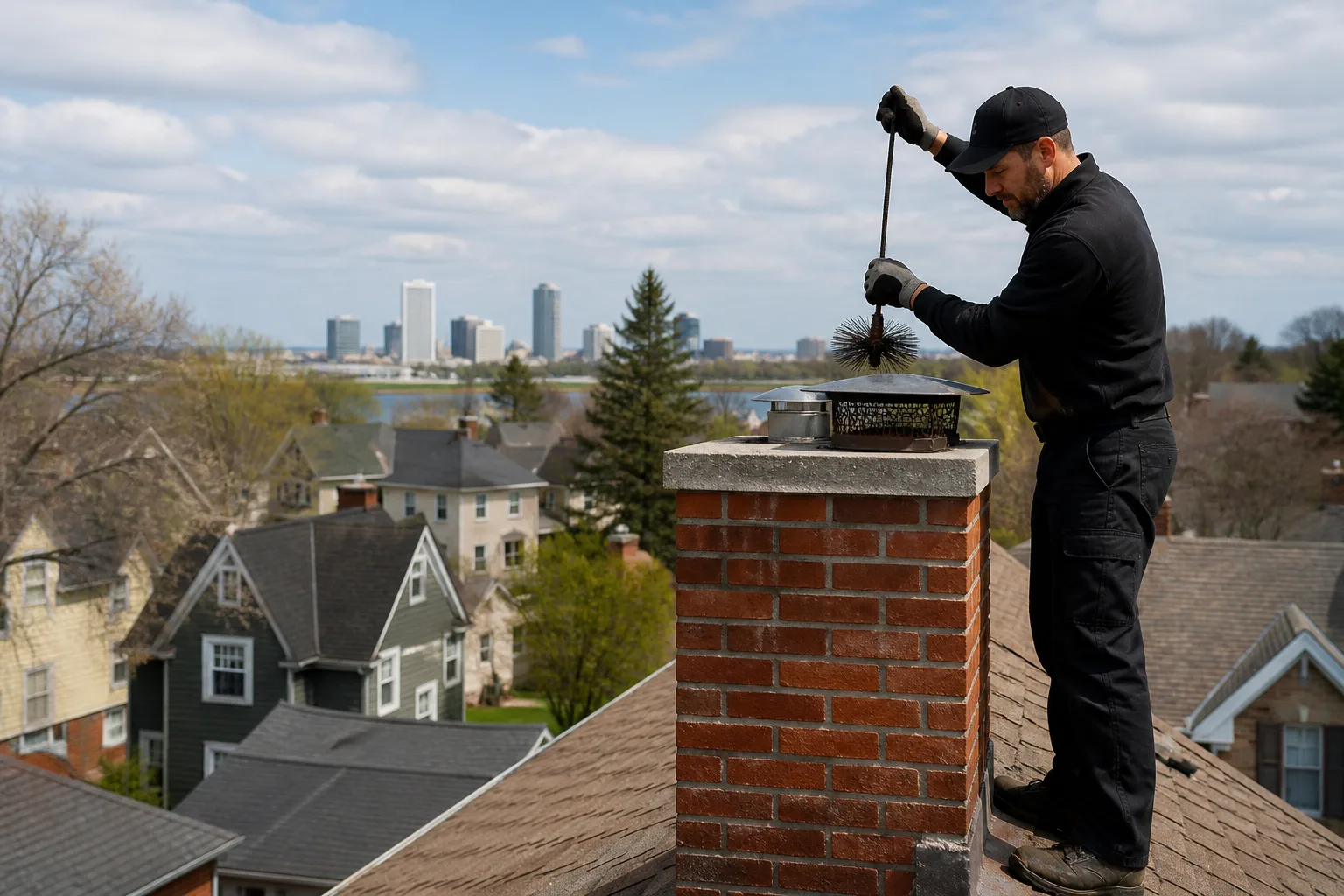
Gelco products show up in the termination and weatherproofing side of chimney work. Caps and covers, the parts that keep rain, snowmelt, and animals out of a flue, are where the brand is most often specified. A properly fitted cap is not a decorative add-on. In Milwaukee’s climate, where freeze-thaw cycles run from November into March, an open flue takes on water, and water is the quiet enemy of masonry. A cap sized to the flue, seated to manufacturer spec, and screened against raccoons and squirrels does more for the long-term health of a chimney than most homeowners realize.
What that means for you: the brand on the part is less important than whether the technician installed it to the maker’s specification, sealed it correctly, and wrote down what was installed. A Gelco cap fitted loose is worse than a generic cap fitted right. If a company can’t tell you which cap they plan to use and why, the brand name in their marketing is doing work the crew can’t back up. That’s the first filter, and it costs you nothing to apply.
What Does CSIA Certification Actually Require?
CSIA stands for the Chimney Safety Institute of America, and its certification is the closest thing this trade has to a recognized credential. Earning it is not a formality: a technician passes a proctored exam covering codes, venting, and combustion, and must recertify on a cycle to keep the designation. Certification is tied to the individual, not the company. A company can advertise “CSIA-certified” while sending an uncertified helper to your door.
Here’s how to verify it instead of taking anyone’s word:
- Ask for the technician’s name before the appointment, not the company’s name.
- Look that individual up in the CSIA’s online directory of certified professionals.
- Ask whether the person doing the inspection is the same person who’ll write the report.
- If the company hedges, ask who actually holds the certification and when they’ll be on site.
In our experience, a genuine CSIA-certified technician answers these questions without flinching. Someone reciting a script does not. This is not about catching anyone out. It’s about knowing whether the person evaluating your flue has been tested on what a flue actually does under load. Certification doesn’t guarantee a perfect visit, but its absence tells you the evaluation is riding on someone’s confidence rather than a standard. Whether you’re in Bay View, Washington Heights, or out toward Wauwatosa, the verification step is the same.
Why Equipment Separates a Real Sweep from a Brush and a Shop Vac
The visible difference between a professional sweep and a generalist is what happens to the dust. A chimney contains creosote, soot, and ash, and the moment you disturb it, it wants to travel. A basic brush-and-shop-vac setup releases fine particulate into the room, settles on furniture, and coats the inside of the house in a film you’ll find for weeks. A professional setup is built to prevent that.
What to look for when the technician sets up in Milwaukee:
- A HEPA-rated vacuum with enough power to hold negative pressure in the firebox, so dust moves toward the vacuum, not into the room.
- Drop cloths and a sealed work zone around the hearth before any tool goes up the flue.
- Rotary cleaning systems for glazed creosote, which a plain brush won’t remove. Stage-three creosote is tar-like and bonded to the liner; whipping it with a brush polishes it rather than clearing it.
- Cameras to document flue condition before and after, so the report is evidence and not opinion.
Ask what vacuum they run and whether they use rotary tooling. The answer tells you quickly whether you’re dealing with a specialist or someone who added chimney sweeping to a handyman list. Dust control isn’t a luxury in an occupied home. It’s the difference between a service and a mess.
What Should a Written Inspection Report Contain?
A report you can’t read and can’t verify is not an inspection. When a technician evaluates a chimney in Milwaukee, the written report should stand on its own after the technician leaves.
Look for these elements:
- A condition rating for each flue and component, using the levels the trade recognizes, so you know whether a flue is sound, marginal, or failing.
- Photographs of the firebox, damper, smoke chamber, flue interior, crown, and cap.
- References to NFPA 211, the standard for chimneys, fireplaces, vents, and solid fuel appliances, where a finding depends on it.
- Recommended repairs with material specifications: not “liner needed,” but which liner system, what material, and why it fits your flue and appliance.
That last point is where a company’s material knowledge shows. We work with a deliberate set of industry-recognized product lines, including DuraFlex flexible liner systems for relining masonry and prefabricated chimneys, HeatShield ceramic resurfacing for restoring a damaged liner without a full replacement, and Famco and Gelco caps for proper termination. Naming the material in the report means you can price it, question it, or get a second opinion on it. Vague recommendations are the ones that grow after they leave the driveway. If you’d like to see what a full report covers, our chimney inspection page walks through it step by step.
What Insurance Should a Chimney Company in Milwaukee Carry?
Ask for a certificate of insurance before anyone climbs on your roof, and confirm two things: general liability and workers’ compensation. General liability covers damage to your home. Workers’ compensation covers the technician if they’re injured on your property. A company without workers’ comp exposes you to a claim if someone falls off your roof while working on your chimney.
Why it matters in practical terms: chimney work involves ladders, roof access, and sometimes heavy components. If an uninsured crew causes a chimney fire through improper work or drops a cap through a roof, you’re left chasing recovery from a company that may not have the means to pay. A certificate of insurance takes a minute to request and answers the question before it becomes a problem. Reputable companies provide it without hesitation. If a company stalls, treat that as the answer.
We carry liability coverage and can share proof on request. When you’re comparing any company in Milwaukee, put insurance on the same list as certification and equipment. A name you recognize means less than coverage you can verify.
Three Questions That Separate a Specialist from a Generalist
You don’t need a long interrogation to sort this out. Ask these three questions before you book, and listen to how they’re answered:
- “Who will inspect my chimney, and are they CSIA-certified?” A specialist names the person and the credential. A generalist deflects to the company.
- “Will the report include photos and NFPA 211 references?” A specialist says yes without hesitating. A generalist offers a verbal summary.
- “If you find a problem, does the same crew fix it, and what material will you use?” A specialist can name the liner system or cap and explain the choice. A generalist hands you off to a subcontractor and the trail goes cold.
That third question is the one most homeowners forget, and it’s the one that saves the most trouble. When diagnosis and repair live with the same crew, the recommendation and the work stay accountable to each other. When to call a pro: if your chimney has never been inspected, if you’ve moved into an older home with unclear service history, if you smell creosote on warm days, or if you burn regularly and haven’t had a sweep in a year. A chimney sweep in Milwaukee is not a seasonal courtesy. It’s how you find out whether the flue is safe before the next fire. If a company gives you the runaround on any of the three questions above, keep calling.
Related services in Milwaukee: if you’ve already got a report and a recommendation in hand, our chimney repair page covers liners, crowns, and resurfacing in more detail.
The Bottom Line
The brand on the cap or the liner matters, but it’s never the whole story. What separates a good chimney company in Milwaukee from a risky one comes down to a short list: CSIA certification you can verify, a HEPA-rated vacuum and rotary tooling that control dust and clear glazed creosote, a written report with photographs and code references, insurance you can confirm, and a crew that fixes what it finds. Use Gelco as a reference point for the product side, but evaluate the company with a checklist you can actually apply.
If you’re in Milwaukee and need help, Milwaukee Chimney Sweep offers free estimates. We handle the full system, sweeping, inspection, and repair, so the technician who diagnoses your chimney can also fix it with professional-grade materials. Call (855) 935-4194. We answer 24/7. Fast dispatch from 7am to 7pm, Sunday through Friday. Start with our chimney sweep service or browse everything we do as a full Milwaukee Chimney Sweep provider, and check our Milwaukee service area if you’re outside the city limits and want to confirm we cover your neighborhood.
Frequently Asked Questions
Gelco is a brand of chimney products, not a sweep company. It’s best known for caps and covers that keep water and animals out of a flue. When you hire a sweep in Milwaukee, the company installing Gelco products should be evaluated on its certification, equipment, and reporting, not on the brand alone. Call (855) 935-4194 if you want a free estimate on a cap or a full inspection.
Ask for the individual technician’s name, then look that person up in the Chimney Safety Institute of America’s online directory. Certification belongs to the individual, not the company, so the name on the certificate should match the person arriving at your door. If a company can’t name who’ll be inspecting, ask again. Call (855) 935-4194 to schedule an inspection with a trained technician – estimates are free.
Confirm general liability and workers’ compensation insurance with a certificate of insurance before anyone climbs. Then ask what kind of vacuum they use and whether their report includes photographs and NFPA 211 references. Those three checks catch most of the difference between a specialist and a generalist. Call (855) 935-4194 for an exact quote – estimates are free.
Most wood-burning chimneys benefit from an annual inspection, and a sweep when the flue buildup warrants it. If you burn regularly, the frequency depends on how much creosote accumulates, which an inspection will tell you. A fireplace used occasionally may need less than one used heavily through winter. Call (855) 935-4194 to book a sweep and find out what your flue actually needs – estimates are free.
Written by the team at Milwaukee Chimney Sweep.
Need Chimney Cleaning Help?
Call Milwaukee Chimney Sweep - licensed & insured, with free written estimates in Milwaukee.
(855) 935-4194